[00:00:00] Speaker A: KPI.dotorg.
It.
[00:01:01] Speaker B: You're tuned to KFAI 90.3 FM, Minneapolis and KFAI.org this is disability in Progress. We bring you insights into ideas about and discussions on disability topics.
My name is Sam.
I'm Charlene Dahl and I'm the host of the show and Charlene is my PR research person.
Thanks for joining in. I want to quick remind you that you can always be on our emailing list for upcoming shows. You can email us at disabilityandprogressamjas.
We also have podcasts and we are each episode is on the Archive for two weeks after airing this episode, we're speaking with Kara Smith. Kara is a licensed clinical marriage and family therapist and practice owner of Maryland Marriage and Family Therapy Centers. We're also speaking with Tyler Charujas, who is a enterprise safety expert at Silent Beacon. Do I have that correct, Tyler?
[00:02:07] Speaker C: That's perfect. Yes.
[00:02:09] Speaker B: Excellent. Thank you guys both so much. This episode, we're also talking about the growing workplace safety crisis for social workers and therapists.
So I want to start out by also let people know we're doing this on Mental Health Month.
So, Kara, if you could give us a little bit of history about you and how in the world did you decide to become a therapist and also what kind of led you into that clinical and marriage family therapy place.
[00:02:52] Speaker A: Well, thank you for having us today.
It's always an interesting question to think back about how I got to where I am today.
I knew I wanted to help people pretty early on. I had a mentor growing up who was actually a family therapist. So it was something kind of I had a more distinct awareness of. I kind of looked around at a couple other options and really realized that working with, I mean, I really, what drew me was working with families. I think when I was young, I was part of a family. It was something that I thought a lot about.
And University of Maryland has a wonderful marriage and family therapy program. So found that got accepted.
And really since then, I've worked in a lot of different kind of settings, helping lots of different populations. Adolescents, homeless population was actually a large part of my early career substance abuse treatment.
And in kind of my later years after learning a whole bunch, I decided to start my own practice.
And so for about the last 10 years, I've been running my own practice, which centers around working with couples and families.
[00:04:15] Speaker B: And Tyler, can you give us a little brief history and how you got to Silent Beacon and what you did before?
[00:04:23] Speaker C: Yeah, for sure. So it's a very interesting story what I was doing Before Silent Beacon, I was working at a company called adt.
I was very passionate about working in safety, mainly because growing up, my house actually was robbed and we didn't have an alarm system.
So it kind of made the natural progression to work with.
Work with an alarm system and help other families get protected.
And one time I was at an event and I was just describing a situation. My mom actually has a few medical conditions that she could really benefit from a personal safety device. And I met the founder and he said, you know what? You should totally get this device that I invented and your mom could benefit from it. And so I did. And she actually has had to use it before. And at which point I said, I want to work here because I was extremely passionate about just helping people that need extra safety, people that are innocent. Just any situation that could really involve technology, that it's at our fingertips, just getting them access to that help faster was something that I'm passionate about simply because of my own family. And ended up being a job interview. Ended up being a job. And it's been a great marriage ever since.
[00:05:36] Speaker B: Well, it's interesting because I'm, I. I don't have numbers or anything, but I presume there's some interesting numbers on how many people have their houses broke into, right? I have twice and both times I was home.
[00:05:53] Speaker A: Oh,
[00:05:57] Speaker B: I think, wow.
Yeah, it's. It's kind of scary.
So, Kara, I wonder if you might describe kind of what your day looks like when you're doing therapy with people. Are you. Are you primarily doing it, you know, going to houses? Are you online and. Or is it in office visits?
[00:06:22] Speaker A: At this point in my career, I'm not going into houses anymore, but that was part of kind of an early, early portions of my job.
Right now I'm mostly in office and virtual. I have, I'm going to call, a luxury of being pretty far into my career. I have a lot of ability to have daytime appointments and, you know, it's still light out. You know, at this point, though, I have a team of people that work for me who are newer in the field. They've got to be a little more flexible with their hours in order to get a full client load, which means weekends and evenings coming and going when it's dark and sometimes being alone in the building.
I'm quickly transitioning over to kind of why this. The safety devices are important to me because for me right now, I don't necessarily feel at risk where I'm at, but it's really about the people on my team that are in these more vulnerable situations that I feel very responsible for.
[00:07:30] Speaker B: Right. And we'll get to that.
[00:07:32] Speaker A: Okay.
[00:07:33] Speaker B: So clearly there is kind of a difference between, you know, home visits, online visits, and office visits. And I'm wondering what you're seeing is the most common now and is it
[00:07:47] Speaker A: changing in terms of what people are needing?
[00:07:53] Speaker B: Yeah. So is it changing to the.
I think before the pandemic? I feel like the pandemic purse did many things, but among some of the things that it really, really pushed a lot of online stuff. The people who survived, business wise, et cetera, are the ones who could move to online things.
And I'm wondering. I think that therapy didn't. I think it. It was, you know, there was some phone therapy and stuff before, I think, but I feel like online therapy really picked up during and after the whole pandemic. And I'm wondering if you see that as something that's growing more and more and people having to go into homes or come into the office less so temporarily.
[00:08:54] Speaker A: I mean, I would even say for the first three or four years post pandemic, there was a large portion of us still doing primarily virtual, but in the last couple years, it's actually really transitioned back to in person.
I have office space I rent out as well, and I have therapists constantly seeking it out because people really want to return to that face to face, really relationship.
Yeah.
And as therapists, too, we were very happy that we could continue to meet our clients virtually during the pandemic, and we've really been able to access a broader population because of it. But ultimately, I think most of us prefer in person as well. There's just something about being in the same space as somebody else that helps them feel safe, helps them feel like they can open up and connect with their therapist.
Sometimes it's just nice to get out of your own home where sometimes where that's where trauma is happening. You want to be out of that, to be facing, you know, working through that. So I'm actually quite pleased that it's returning to more of a face to face, in person relationship again.
[00:10:07] Speaker B: Do you think that that can. Well, I. I feel like sometimes, though, that there's advantages to being online.
I'm sure there's advantages to being face to face. I'm wondering just about the personable type thing. Like, what do you feel is the advantage of being face to face as a clinical worker, looking at somebody, whether they're face to face or virtual, Is there a difference with that?
[00:10:42] Speaker A: Absolutely.
Again, there's certain Clients that do great virtually. And again, we're accessing people who've been able to access therapy who may never have been able to before.
But when you're sitting in the same room as somebody, and it's a safe space that we create as therapists that is, you know, got four walls, you know, very little, you know, it's warm, it's.
We can feel each other's energy, we can look each other in the eyes. There's a lot less distractions. You're not worrying about your husband being on the other side of the door.
It just really provides a space for opening up and really kind of digging deeper than maybe you can when you're through a screen.
[00:11:32] Speaker B: Do you feel like there are different risks for social workers as opposed to therapists, case managers or crisis responders?
[00:11:41] Speaker A: I mean, I think.
I don't know all of the statistics, but obviously, like sitting in an office with somebody, these are probably going to be like your lowest risk for severe, mentally severe mental illness.
You know, I've had times in my career where I've been going into people's actual locations. When you're in that more like social worker, case manager and going into people's homes, you don't know what you're going to get.
And so I definitely think those are the riskier situations when you're dealing with the more severe mental illness, whether it's hospital or in home visits.
[00:12:24] Speaker B: Clearly. I guess I feel too like online would be less risky, but not without risks. Maybe are there risks that people don't understand?
Doing therapy online?
[00:12:38] Speaker A: I think the biggest barrier is maybe not our safety, but their safety. When you're meeting with somebody online, if there's somebody suicidal or somebody's having some kind of mental decompensation and we don't know where they are, I mean, we are legally, ethically supposed to know where they are when they meet with us. That doesn't mean we always do. They can lie to us. Right.
[00:13:03] Speaker B: So clearly online is.
Is more secretive, so to speak.
[00:13:09] Speaker A: Right.
I can't tell you how many times people showed up in their cars. And so what happens if there's.
Or even stranger places, but, you know, if they have some kind of suicidal ideation and they need help at that point and I don't know how to get them help.
That's a real barrier. The other barrier is virtually working virtually is not everybody has access.
And so, I mean, older populations really struggle with kind of figuring out just even how to meet you virtually. And financial barriers to, you have to have wi fi you have to have a computer, you have to have good service.
So all of those things really hinder connecting.
[00:13:55] Speaker B: Are there any risks to like, do you wonder about any risks in regards to connecting with the therapist online of security, them knowing where the therapist is or, you know, is a therapist pretty safe?
[00:14:17] Speaker C: I.
[00:14:18] Speaker A: My guess is most of the time we're pretty safe. I mean, obviously you can see my background here. Not no identifying situation. Most of our clients aren't dangerous to begin with. It just. But we don't give out where we are, though they may know because of where our offices are.
Our home addresses aren't necessarily hard to find. If our names are somewhat unique and you know, they could.
People have been known to find your social media, you know, that type of thing. So it's not, you know, without some, some risk that we're all aware of.
[00:14:59] Speaker B: Do you, when did you personally.
When did you first realize that personal safety had to become part of your, you know, your job?
[00:15:12] Speaker A: Yeah, it's really funny because I think when I first got out of grad school and was in the field, I didn't think about it. And I look back now and feel like I should have been much more aware of it.
And I think it really came to light when I became a supervisor myself. I had this. Maybe it's just this innate desire to make sure everybody on my team felt safe.
And then it had me looking back over the years thinking about some of the things I did with no safety plan whatsoever.
And I really think these agencies need to be taking more of a responsibility for the safety of the teams they're sending into people's homes or in the hospitals where they are just one on one with people who are perhaps mentally ill. And again, not everybody is. But to not have any kind of safety measure in place feels like a liability. And of course I care about my team. It's not just about the liability. It's about wanting them to feel safe enough to do their jobs and show up in a way that they're not going to get burnout and they're not going to feel like they can't do this job anymore.
Right.
[00:16:30] Speaker B: Cooley, we talked a little bit about the maybe home risk. Home therapy appointments could be a little more risky than officer online, obviously.
Why do you think that safety risks for mental ill professionals are often more overlooked compared to maybe safety risks with hospitals or schools or law enforcement?
[00:17:02] Speaker A: I've done a lot of thinking about this. I mean, there's a couple layers to it, I think. One, it's the personalities of People who get into these professions are. We're naturally empathic people who want to think the best of everybody. We don't. And I think that was my naivete going into this field.
[00:17:22] Speaker B: Yeah.
[00:17:23] Speaker A: You're taught these people are mentally ill. They're not bad people. They're not. You know, they just need help. And so we go into this field going, oh, we just want to help.
We just want to be there. And we aren't really thinking about the risks at hand.
You know, the other part is I don't think there's a lot of money to put into safety precautions. I mean, I think the biggest thing we're told, and I'm not joking about this, the biggest thing we're taught is you put your chair closer to the door, you stand closer to the door in case something happens.
Wow. And that's. That's. Sure, that helps somewhat, but obviously there are situations where being close to the door is not going to help you through. Be safer in a. In a. In a scary situation.
[00:18:14] Speaker B: Right.
[00:18:15] Speaker A: So the money isn't put into it. I mean, there's. It is a high cost to have. I mean, Silent Beacon is a different story, but it's a. It can be a really high cost endeavor, and there's not a lot of money in mental health. You know, it is not our priority to put into. We've put large funding into mental health, unfortunately.
[00:18:40] Speaker B: What was the tipping point for you when you decided to wear a panic button on your own?
[00:18:50] Speaker A: Honestly, there wasn't any. It's not a very exciting story. Other than that. I.
When I became a supervisor, I realized I had a responsibility for these newer clinicians who were staying in my offices that I'm leasing in the evenings by themselves, seeing clients. And a lot of times there's no other therapist in the building.
So I wanted to make sure that they could do that in a way that they felt safer, that they felt that they could, whether it would be call me or call 91 1, you know, a drop of a button and get somebody's help as soon as possible, because I couldn't be there all the time.
[00:19:40] Speaker B: Right. I want to talk about Kara. How.
How or what are some of the early signs that a session or visit, client interaction may be kind of going south, that they need to start making a plan of what. What they're going to do?
Yeah.
[00:20:02] Speaker A: I mean, it is. There are early signs because it's not usually 0 to 100. You know, it can be a slow but steady progression towards anger. When I work with couples, you know, There is a lot of anger at times in the room.
And it is our job always to be aware of body language. And you can see when somebody starts to getting, getting agitated, you know, they're fidgeting, they're standing up and sitting down, you know, feeling you're feeling from them this lack of being able to settle themselves.
You know, that is, you know, one very specific situation, I think, when there are people going into homes or working with the severely mentally ill.
You know, most of the time, you know, your clients, you've seen them.
So, you know, when there's something that's off, it's a lot of times they're not on, they're not on their meds, and you can see more erratic behavior, your pacing or stepping towards you, those types of things not giving you kind of the body, the space you would normally give somebody. And so it's really being, having to
[00:21:25] Speaker B: be
[00:21:27] Speaker A: reading people all the time and understanding those little signs and differences.
And again, you know, I think we lack a real training and de escalation techniques.
I certainly was going into people's homes never having been trained in de escalation.
And you know, I think that is again, another missing, a big missing piece in our field of really how to handle clients who are escalating and perhaps could turn dangerous.
[00:22:00] Speaker B: Yeah. So that leads me into what should agencies and private practices be doing before a crisis happens, not just after something goes wrong.
[00:22:12] Speaker A: Right.
I mean, that's.
I, you know, wouldn't be here if I didn't strongly believe we should be having specific plans in place, including personal safety devices that allow us to access help quickly when we're alone in a room with somebody, you know, there is not necessarily any way to get help other than if you have a means to connect with somebody outside that room quickly.
[00:22:48] Speaker B: So speaking about, you know, clinical therapists and social workers being trained enough in de escalation and risk assessment, an emergency response, I'm wondering, it sounds like you think that that is a space or a place that is just not quite as, as well done as could be. And does your.
Now that you have your business, do you handle that differently and how
[00:23:24] Speaker A: so? Because of the population that I'm currently working with, I actually, that I in my team, we do not see people with serious mental illness. So I feel really confident that having the silent beacon, the panic button type of mechanism is sufficient at this point, that that actually does give them the safety and tools they need to get help.
If I was working still in homeless services, substance abuse services, intensive outpatient programs, I would definitely want them to have a more specific, you know, training and de escalation techniques and how to handle dangerous situations.
[00:24:11] Speaker B: So Tyler, I want to jump to you and ask you about silent beacon. So talk a little bit about what silent beacon is and how it works.
[00:24:21] Speaker C: Yeah, yeah, great question. So how silent beacon works it in a very small sentence. It is a wearable Bluetooth connected panic button device that when pressed it will call out to number that you want. That can be 91 1, it can be someone that you know or in a clinician environment it could be the manager or office, the practice owner. And then in simultaneous to a phone call, a text message, push notification and email is sent out to as many people as you'd like. It can be one person, a thousand people. There's no real limitation there. And the beacon itself is, it has a microphone and speaker installed inside. So you do not need to have direct access to your phone for it to work. It has a 200ft range. So if you want to call 91 1, you can talk to 911 through your device. And then meanwhile other co workers will get a notification letting them know that hey, someone has pressed it and here's their location.
[00:25:18] Speaker B: So but you do need to have a phone for your, the button to connect to, right?
[00:25:25] Speaker C: Yes, currently, yes.
We are working on products right now that we're going to launch that won't have a dependency on the smartphone. But we're in the age of 2026. Most people are within a 200-300ft range of their smartphone at all times. However, we understood some environments you aren't. So we are developing products that will address that. So you can kind of have a product for any, any environment.
[00:25:49] Speaker B: How big is the silent beacon?
[00:25:52] Speaker C: Yeah, great question. So this is what it looks like on my wrist. So it's about, it's a little bit smaller than an Apple watch and it looks almost identical to just one of those smart watches that you can pick up. And it also can be worn as a lanyard style. So in terms of size and wearability, there's multiple ways that you can wear it. So it's really up to the person on how they feel most comfortable.
[00:26:12] Speaker B: And because this is radial, how many buttons are on it?
[00:26:17] Speaker C: Yeah, great question. So there are two devices, two buttons on the device. One button is a raised bump that controls the panic situation where when you press and you hold it for three seconds, it dials out immediately to your selected contact. And then the other flap button is used for turning the device on and Also a few other features like our check in feature and our follow me footsteps feature as well.
[00:26:41] Speaker B: Well, so when you turn it on, it, it talks.
You can press the button and it alerts your preset people or N911 presumably.
[00:26:55] Speaker C: Correct.
[00:26:56] Speaker B: And so they can be notified.
[00:27:00] Speaker C: Yes.
[00:27:01] Speaker B: Kara, I'm wondering at what point and both of you, I guess, can chime in.
I mean, at what point would you do it? Because it feels like once things have started, there's gotta be this magical place where you're feeling like, oh, it's not quite there yet. You don't want to pre, you know, jump to it if that person, if they were just feeling emotional, but they were never going to do anything. But you also don't want to wait too long. And once things have started, it's kind of how long are they going to get here? Please, someone hurry up, please. Now.
Maybe yesterday.
So what is that magical moment, do you think? I guess both of you can chime in if you want.
[00:27:45] Speaker A: I don't know if. So you want to go first there because there's so many different situations. I think that's why. But I appreciate that question.
What I like about it is
[00:27:58] Speaker C: the
[00:27:59] Speaker A: silent part is that there is, you know, it's called silent beacon that you, you can press the button and have it set. So it sends an alert to somebody and it can be.
Nobody in the room knows that that alert is being sent.
[00:28:14] Speaker B: Right.
[00:28:15] Speaker A: You know, so if you've talked to them and you have systems in place that they could just come listen at the door.
Not great for hipaa. But also at the same time we're going to throw HIPAA out the window when we're feeling insured.
[00:28:26] Speaker B: That's right.
[00:28:26] Speaker A: Right.
And, and so some just kind of listen in and see if there's something. And you know, that is one real, you know, great. I love the silent part about that of just kind of being able to send out a little bit of an alert. And then obviously if you're really in danger, you want to use that like to the calling system.
Yeah, I agree. It's never going to be an easy answer of when you press that button. I don't know that I can give. It's like this is actually when you would do it. Obviously if somebody approaching you and you're feeling that unsafe, you just pressing it and hearing it call 911 would hopefully deter them to step back and give you that space.
It's never.
If you feel unsafe, I think you could. You don't want to have regrets. And so you, you do it as soon as you feel like this is the right time. If I don't do it, I'm going to feel, I don't want to know what happens on the other side.
[00:29:26] Speaker B: So you talk about it being silent. How do you know it's worse?
[00:29:32] Speaker C: Yeah, that's, that's a great question. So the device, when it is set to silent mode, it still will vibrate on the user's wrist. It's a small vibration, so it's not something that you would be able to notice. But anytime that you are engaging in the buttons, even in silent mode, the vibration will, will commence, but the speaker and the flashing red light will be, will be turned off. So that will be muted. However, the microphone is still active. So if you do wanted to call emergency services or someone within the clinic itself, that person can listen in and hear what's going on so that they can properly assess what type of emergency it is and what you could potentially be walking into.
And also, just to address your other question about the, you know which word you do in the emergency, whether it's call 911 or call someone that you know or someone in your office.
Some offices that we work with, they have a natural escalation pattern where when you press it, it calls the management or ownership. And then ownership's beacon is set to call 91 1. And the beauty of our device is that that freedom can be changed at any time. So if you realize after using it, you know what, we would like it Always to call 911, you can swap that out. And then other times we say, you know what, we really just needed a little bit extra help. And when we press these, then you can swap it back as well. So it can adjust as your, as your practice adjusts as well.
[00:30:53] Speaker B: I'm wondering about, you talked about that it can be used as a listening device, that the microphone is active.
So do they really, can they still hear what's going on clearly then when instead of having to press their ear to the door or whatever, can they hear like what is happening in the room?
[00:31:14] Speaker C: Yeah, because it's a live phone call that, that open air is, is triggered and you're able to listen in once the person answers the phone.
And then the person that engaged the panic button, that's actually in the emergency, because the microphone is speak silence, you're not going to know what's happening. But yeah, that person, the practice owner could listen in and figure out is there threatening language? Is there something that I need to escalate to emergency services? You're able to get that. Live in the moment.
[00:31:42] Speaker B: So, Cara, I'm wondering, what safety policies should every practice, clinic or agency have in place?
[00:31:52] Speaker A: Yeah, I think every agency should have a specific plan. I mean, I can't speak. Everyone's so different. It's hard to kind of tailor it. But for you, for everybody who, especially my position running the practice, to have something that they can do like press these buttons, it dependent on who's in the office at the time. So you're going to have a plan like for daytime, which is going to be different than your plan for the evening when maybe nobody else is around.
So it's got to be kind of flexible and, you know, made to fit different circumstances. I know I'm not being very specific because I think that's what the beauty of Silent Beacon, because there's so many ways you can set it up that fits your specific situation at any time of the day.
And to have that written out and everybody on the same page is absolutely important because we. Everyone needs to know what their role is if a crisis does arise.
[00:32:56] Speaker B: Tyler, I'm wondering, like, obviously technology has its limitations.
What do you guys feel like the limitations are?
[00:33:05] Speaker C: Yeah, great question. So one limitation that you were even mentioning as far as the connection to the phone, that we see that as a potential limitation because even certain practices that have spoken to in the past have a limitation where they're not allowed to have smartphones in certain environments. So developing a cellular button is on top of our priority list to fit that need. And then also in speaking about cellular, another limitation is coverage when it comes to the ability to actually place a phone call and just to speak to that limitation, the good news about it, calling 911 is that whether you're in a. If you're in a dead zone that's related to your care, your carrier, and not to a dead zone to everybody. 911 calls are always prioritized, so that call will still be accomplished. However, if you're in an area where there's no coverage, no matter who you have as your carrier, you just need a satellite phone and then you need direct airways to the satellite. So unfortunately, just infrastructure continues to be built when it comes to satellites and all that.
That's just one of the limitations. Just making sure that we have products that can fit that as we wait for inevitably. I wouldn't be surprised in human existence that we always will have coverage no matter where we are, but I'm sure we'll get there eventually.
[00:34:22] Speaker B: I'm wondering how often it is that there's no coverage whatsoever.
[00:34:28] Speaker C: Right, That's a good point. Especially when it comes to practice. If you're reporting into a building, you most likely will have coverage.
It's mainly in response to people that are doing in home visits in very rural areas.
There's, you know, there's not a lot of technology that can help them in those situations. However, that's something that, that we are trying to address when it comes to, to having ability to contact them no matter where you are.
[00:34:54] Speaker B: Cara, how do you feel that,
[00:34:58] Speaker A: you
[00:34:58] Speaker B: know, fear for personal safety affects the clinician's emotional well being or burnout or willingness to even stay in the job?
[00:35:09] Speaker A: I mean, certainly burnout is one of the biggest struggles in our field. It's, you know, a lot of work, not great pay. You know, you're put in these situations with high emotions every single day.
And so I, you know, whatever we can do to help, you know, newer, younger clinicians who are often put with the most difficult populations just for the sake of nobody else wants to do it, to help them feel, you know, taken care of, safe is going to prevent burnout happening as quickly and as intensely.
You know, again, I look back when I was younger and some of the things I was doing, literally doing wellness checks and in people's homes, unlocking their doors and going in by myself. I mean, it blows my mind that anybody let me do that. And I think I just trusted, this is my job now. This is what I'm supposed to be doing.
[00:36:11] Speaker B: And you feel like, though, that that was a different time almost. I mean, do you feel like things have changed so much that it's more scary than it used to be?
[00:36:23] Speaker A: I don't, you know, I don't know. I mean, I think I would hope we're all more aware of it, but it was, you know, how many years it was less than, it was less than 15 years ago that I was doing this. So, you know, again, I don't.
It blows my mind to look back and to think we did not have a safety protocol in place. And I was doing wellness checks in people's homes when nobody was answering the door. And, and I remember being scared. I mean, I remember being nervous going in and I guess, you know, having my cell phone was my, my safety backup. But, you know, it's, it's not always quick. You got to pick up your phone, you got to swipe it, the screen's got to recognize your face, then you've got a dial.
And so anything to help clinicians get help quicker to feel safer in those environments. To want to go back to work the next day because they didn't feel that they were unsafe is so important. We need to be working to build up our mental health field, not fighting to keep people in it.
And I just think it's such an overlooked component.
[00:37:41] Speaker B: Do you think that depending on the state you're in, clearly there are stronger views of, you know, having a weapon in the home than other places sometimes. Do you feel like that makes a difference in safety, meaning on the clinicians
[00:38:02] Speaker A: part that we know people probably have weapons?
[00:38:06] Speaker B: Well, you know, I think, I think there are regions in the, in the United States that are much more pro weapon in their homes than other regions. Like they may have weapons, but they don't. They're not so vigilant about carrying them around, having them in their cars. Or do you think that that makes a difference with how clinicians feel safe wise?
[00:38:31] Speaker A: Yeah, I'm not sure. I mean, Maryland is a pretty. Of all the states, gun control is pretty high on the agenda.
But also I have such an awareness of, you know, people that, you know, that there is this struggle that people don't keep guns locked up and that there is. There are still people in our state that, you know, you could walk in and see a gun laying on a countertop or something. So I'm not sure. I don't really, I'm not.
I think ideally we need to all just be aware that that is a possibility wherever you are and that we could face situations where people have weapons.
[00:39:20] Speaker B: I'm wondering what should supervisors or practice owners do when a staff member comes to them and what do you do when or if a worker has come to you and said, you know, I'm feeling kind of unsafe when I go to this particular person or these particular houses.
What are the steps that the management needs to be taking?
[00:39:50] Speaker A: I think we have to listen, we really have to listen to people when they feel unsafe and take it seriously so that they feel supported. It may be looking into kind of how to plan for any safety incidents. It may be going into these locations with them as supervisors. It may be saying, you don't have to work with them anymore.
Our clinician safety is more important at that time and we can figure out how to support those clients in a different way.
Certainly, you know, we've had. I've had people kind of just walk into our clinic without an appointment, looking for help that seem just desperate and panicked and it catches people off guard. And I've had people come to me with that situation and Then we keep the front door locked. You know, we have a sign up now that says by appointment only, I mean those are little steps.
But anything you can do to say like, okay, we're going to change our procedures and it's okay to keep the door locked. Somebody can call you when they get here for their appointment and that way you can just open it just for them. There's a lot of little steps that can be taken. And I go back to the thing we have to do the most, and we should all know how to do this as clinicians, is listen to people when they're feeling uneasy and take it very seriously.
[00:41:21] Speaker B: Makes me feel a little sad in some ways because people who maybe are doing that last minute reach out, I really need somebody now and they're just not prepared to call in. But yet sometimes the tragedies do happen and it only takes one to put workers and people on edge.
[00:41:43] Speaker A: Right?
[00:41:44] Speaker B: It's, it's just a mindset change that you do that maybe hurts a small, small population, but it's, it's a change and it's okay.
[00:41:56] Speaker A: I mean, we have, you know, resources in our lobby that we can hand people more crisis oriented services. Here's the mental health association here, call 988, which is the suicide hotline. There are ways that if somebody comes in, we can quickly give them referral sources, but we can't be that. We are not a crisis clinic. So I think, you know, as mental health professionals, we all, we don't want to leave anybody hanging. And this is, you know, something we all need to be prepared for is providing people with the resources they need. If it's not us.
[00:42:34] Speaker B: Tyler, you know that you talk about the silent beacon being a great safety thing for clinicians and social workers. And I'm wondering about just the general individual.
Is it set up for them or is it just mostly set up for the clinical worker that goes out in homes or social worker that's in a home or office at night or weekends?
[00:43:00] Speaker C: Yeah, that's an excellent question.
So the original reason as to even why the company was built and founded and the device was built was just for the general population to get access to help when needed. Because oftentimes, whether you're walking alone at night or picking up kids from school or going to the grocery store, accessing your phone in an emergency environment where it could be life threatening is a lot. Being able to unlock it, go through it, press 911, successfully press 911 can be a lot. So it's not limiting to business Owners, practice owners.
And also because of its versatility, we actually see other industries taking advantage of it. Anyone that is in a lone worker environment, people that are working on power lines and water treatment plants and or even a tanning salon, we have a work with a tanning salon that uses it just because their receptionist often is alone. And there could be people coming in any hours of the day or requesting information. If they're the one single person working there, how would they get access to, to help if someone were to attack them? So the versatility of the product really can go from the individual to any type of business that really just has someone that needs a way to get help quickly. So yes, so we do still sell to both.
[00:44:17] Speaker B: So without going through pricing either, then I presume there's price points for individuals if they want to just privately do it. Is it affordable?
[00:44:28] Speaker C: Yeah, very much so.
So it is a one time cost for the device for an individual. And then there is an option where you don't have to have a monthly fee, but we also have a few monthly fee options if you need a few more bells and whistles with the service. But yeah, you can buy it one time, try it out, and if you want to upgrade for monthly plans, you can do so. Or if you just want to keep the free basic version, you can do that as well.
[00:44:52] Speaker B: What does that mean, the free basic version? I'm just curious, like.
[00:44:56] Speaker C: Yeah, that's a great question too. So our basic version right now is that when it's pressed, it will call out to one number that can be set to call 911 and then it can text and email one additional number. So that can be a family member.
Certain environments, people want to have more than just those few people, like 911 and then one other person. So you can have an allotment up to 5 and potentially even up to 10.
And there's different packages for that as well.
And then we also have a few other features like our check in and our Footsteps feature that are available to just the general population. And those are in our upgraded plans as well.
However, you don't need to upgrade in order for it to get the basic. I needed to call 911 and then text a loved one or a family member that I need help as well.
[00:45:40] Speaker B: So I'm wondering how quick the response is.
Obviously, you know, it depends on where you are, maybe the time of day, et cetera. But is there a timeline that you have found that when the button is pressed it's responded to? You must have some statistics.
[00:46:06] Speaker C: Yeah, Great question. So what we can control is really how fast the button and the phone talk to each other and accomplish that phone call.
And so that can happen anything, basically five seconds and under is when that button, when it's pressed on the long side, five seconds. And that really just comes down to Bluetooth range and coverage and things like that. But on the short end, it can be as soon as within one Mississippi, your phone has already accomplished the phone call and going out. So that's the part that we can control, is how fast the beacon and the phone call is communicating and successfully placing the phone call. But as far as like 911 response times, it's. It's going to be different per jurisdiction. You know, every county and state have different funding when it comes to police response time. But what we can do is we at least give you the ability to, when you press it, you're getting in touch within 911, or at least placing the phone call to 911 within seconds.
[00:47:01] Speaker B: Kara, I'm wondering how you feel organizations can create a culture where reporting threats or, you know, near misses is taken seriously instead of. I think sometimes things get a little bit minimized.
[00:47:19] Speaker A: Yeah, I think people want to, you know, not maybe talk to how much something is impacting them or, you know, we try to laugh it off, you know, part of the job. And I think it's. It's having a supervisor. Managers that are really encouraging to talk about how they're feeling on a daily basis with their safety, with just their mental health. In response to working with severely mentally ill people on a daily basis. It's really, to me about the conversation and then laying the groundwork. If you're talking to people about it up front and you're kind of giving them that space, like, this is what we're doing about safety and this is how I want you, what I want you to do. If you're feeling uncomfortable, safe, that gives them permission to come to you and say, like, this is really scary and I need to feel more supported. I mean, that is absolutely, as a supervisor, a value I want to bring to them. Day one, that safety is imperative for us to do our jobs in an effective way.
[00:48:27] Speaker B: What do you feel that clients and families need to understand. Understand about the safety of the, you know, professionals that serve them?
[00:48:38] Speaker A: I mean, I don't think they're thinking about our safety very much, and that's okay. I actually don't really want them to worry about us. We go in to.
We're taught very early that this is not about Us. And this is not about taking care of the therapist and so that they can focus on their own needs and their own hour or whatever, a couple hours of time with us.
So, I mean, I know that maybe not the answer, but if they feel. If they're worried about us, they're not worrying about themselves. And we need to feel that they don't have to worry about us going in at all. And that's, again, why I think it's important that we're taking care of it on our side so we don't go in scared. We don't go in with our armor on. We need to be able to feel relaxed and free to be ourselves and talk and help them feel safe.
[00:49:36] Speaker C: Right.
[00:49:38] Speaker B: Do you feel like, you know, Congress and insurance pays attention to the safety factor of the clinician?
[00:49:50] Speaker A: No, no, I don't feel that.
Well, I mean, mental health and funding of mental health is more of like a pawn. You know, it's not necessarily anybody. They use it as like, okay, you know, when we talk about. I don't want to get to political school shootings, they always point to mental health. Mental health, which, sure, there's mental health
[00:50:14] Speaker B: components, but then they often blame that, don't they?
[00:50:17] Speaker A: Yes. Yeah. Yeah.
[00:50:19] Speaker B: And that is the other side of the coin that I do want to address, because I think sometimes the programs, I think that safety for clinicians, social workers, et cetera, and crisis people is very important.
But I also want to emphasize that I think there's a big blame on the person that.
For mental illness.
And when is there that cutoff where you say, well, they have a mental illness or, oh, they were just angry and that's what they did.
[00:50:59] Speaker A: Yeah, I mean, I think it's both. I mean, I think that we have to look at mental illness as a whole and kind of what may be happening, what's being ignored, what's not being addressed in order to kind of get ahead of some of these problems.
But there are people who. There may not be any diagnosable, you know, disorder and that it's more of their own experiences that have led them to feel disenfranchised and angry. And it's always important we're looking at that route and trying to understand it better.
[00:51:43] Speaker B: I guess I'm looking to think. Do you feel like not. Not every tragedy is because of a mental illness, sometimes that it can be somebody not having good boundaries?
[00:51:58] Speaker A: Absolutely. I think the mental health field is very cautious about actually protecting mentally ill people and saying mental ill people are not inherently dangerous.
And so there are A lot of times there's much more going on in those situations and that the mental health field can't necessarily address and get to the bottom of it. And a lot of times these people who are, you know, committing crimes and hurting people are not accessing our services anyway. It's very hard if they're not ever walking in our doors.
[00:52:35] Speaker B: What advice would you give to new social workers or therapists entering the field today?
[00:52:43] Speaker A: I would give them lots of advice,
[00:52:47] Speaker B: give us a couple good pointers.
[00:52:51] Speaker A: And I think one of the things that's this kind of it connects to the safety piece. One of the things we are not given a lot of space for is, or given a lot of information on is how important self care is. As therapists, we are hearing people's trauma, seeing people's traumas day in and day out. And there is. It takes a toll.
Part of our job as therapists is to take care of our own mental health.
Whether that means, you know, having good fun, hobbies, having meditative practices, taking care of our safety, having our own therapists. It is 100% necessary for us to be successful in our jobs.
And I do not think that's an instilled enough in young therapists. I will stand on my soapbox about that, that our 40 hours, at least 15 of them, should be self care.
[00:53:48] Speaker B: And do you feel like all therapists should have their own therapists as well?
[00:53:53] Speaker A: I think as needed, yes. I don't think any. I mean, there's no need to be in therapy for 20, 30 years straight. But I think over the years we all need to be seeking out support.
Peer supervision is big one. I have colleagues that I meet with regularly to kind of lean on. Like there is absolutely that part of our self care over the years.
[00:54:27] Speaker B: Tyler, what advice would you give people in regards to safety and wearables and things like that?
[00:54:34] Speaker C: Yeah, great question. Yeah, some advice that I always like to give is that that safety is something that we all take for granted, that you don't realize you absolutely need it until something happens.
For example, even with my mom and dealing with some of the situations that us as a family have had to go through.
Didn't really realize we needed something until a fall happens or something tragic happens. So it's really assess what you already have in place to make sure that it would be.
Could address a, you know, practical situation where an emergency could happen. Just what. How are you responding to that? What's your, you know, what's your response technique? Because when things hit the fan, it's Kind of like a famous thing even in the mental health world where if you someone says call 911 and then everyone assumes in the room that someone has called 911 or if you see someone calling on the side of the road that's trying to flag for help because they're on the side of a highway due to like a flat tire thinking oh someone probably called 911 for that person and then no one ever ends up calling someone.
So that's one of the things that I always like to say is that assess is your safety a little bit?
Are you taking it for granted? And then if you are, what is your escalation pattern? How are you going to address it? Who in your family, friends, your office is responsible for initiating these emergencies and getting access to help. So that's one thing. I always make sure that you have a plan in place whether you get a device or you get some technology that's separate. But if you don't make sure that you know what to do when things do happen.
[00:56:14] Speaker B: Well, can you give contact information for Silent Beacon?
[00:56:18] Speaker C: Yeah, for sure. Yeah. So for Silent Beacon you can always reach us on our website@silent silentbeacon.com or you can even email or call me directly. My email is my first name tylerilentbeacon.com so it's really easy to get in touch with me. It's just first name at our domain and then, and then also you can always call our 1-800line. You press 1 for sales, press 2 for support and we're pretty much here all the time.
[00:56:42] Speaker B: Kara, any final advice?
[00:56:45] Speaker A: No, I just think just to add on to something about the cost effectiveness.
This I'm not a huge practice. There's about nine or 10 of us. This is the most cost effective thing I have found that feels that I'm getting the help I need for my team.
Getting the support I needed is not going to break the bank. It is a one time purchase and I love that they can take it home with them and use it on their free time if needed to.
If they're walking in the city or doing something alone or feeling any kind that they can, it's, it's theirs to keep and it does not cost me much money. So that feels like, I think this is not out of, out of the range of what? Practices centers, outpatient mental health clinics, hospitals, they should be able to afford this. In fact I think it's, you know, it should be a necessary line item.
[00:57:40] Speaker B: Well, both of you, thank you.
[00:57:42] Speaker A: Thank you.
[00:57:43] Speaker B: Yeah, and very educational. So thank you. I appreciate that.
[00:57:47] Speaker A: Take care. Hope you have a good day.
[00:57:49] Speaker B: You're tuned to KFAI 90.3 FM, Minneapolis and KFAI.org this has been Disability and Progress. The views expressed on this show are not necessarily those of KFAI or its board of Directors. My name is Sam. I'm the host of this show. Charlene Dahl is my PR research person. Aaron is my podcaster. Thank you. We've been speaking with Kara Smith, who is a license licensed clinical marriage and family therapist and practice owner of Maryland Marriage and Family Therapy Centers, and also with Tyler Charuljas, who is the enterprise safety expert at Silent Vegan.
If you want to be on my email list, you can email
[email protected] thanks for listening. Take care.
[00:58:44] Speaker A: KPI.
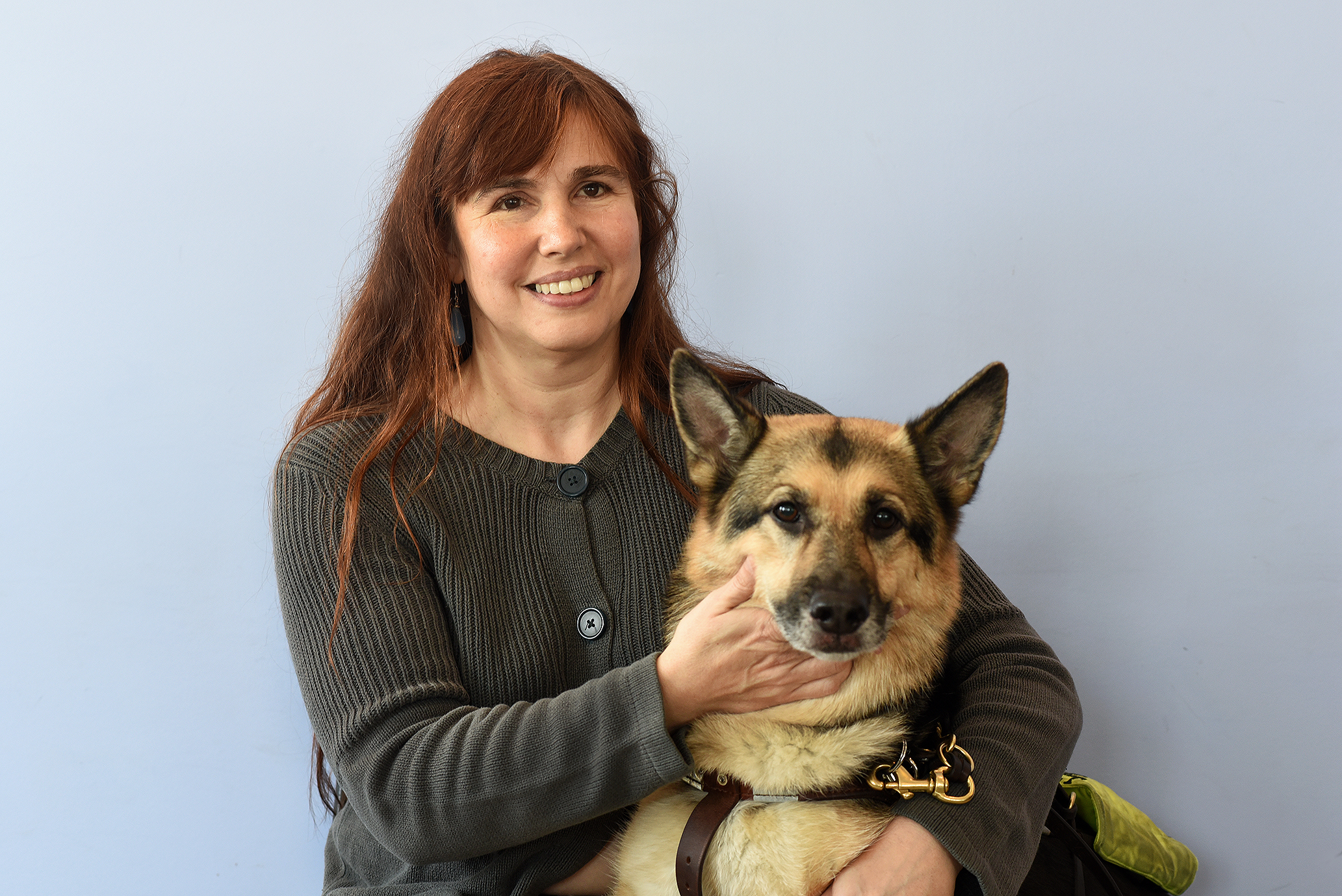
 Home visits, Crisis interventions, One-on-one sessions behind closed doors. For social workers and therapists, these moments are a daily part of the job, and what happens when something goes wrong is becoming a growing concern. Kara Smith, LCMFT, and Practice Owner of Maryland Marriage and Family Therapy Centers, speaks to Sam and Charlene about the unique risks facing therapists and social workers. Also, Kenny Kelley, founder of Silent Beacon, joins the show and speak about why response time is becoming the critical gap in worker safety and how therapists and social workers are integrating real-time alert systems into existing safety programs. To get on our email list,receive weekly show updates, or offer feedback/guest suggestions, email [email protected]!