[00:00:20] Speaker A: It's time, it's time how many people were they running from it? How many people never saw a comment? How many people never heard the one?
How many people never stayed home?
How many people never heard you calling? How many people never saw it all? And how many people did they spend it on? And how many people got to sing the song? And how many people never heard the cry? And how many people got pushed aside? How many people never saw the dust fly? How many people never said goodbye? How many people never saw the fall and how many people till we end it all? And how many people never saw the wrong and how many people you can drop the ball on? Don't take our boys a winner don't take our girls a winner don't take our boys a winner don't take our girls a winner don't take our boys a winner to take our girls a winner to take our boys away it's time, it's time to go home Away get away highway right it.
Ram.
Sa.
[00:04:42] Speaker B: This is kfai 90.3 fm, minneapolis, and kfai.org disability and progress is up next.
[00:05:09] Speaker A: Sam.
[00:05:47] Speaker B: And greetings and thank you for joining Disability and Progress, where we bring you insights into ideas about and discussions on disability topics. I'm Sam Jasmyn.
[00:05:57] Speaker C: I'm Charlene Dahl.
[00:05:58] Speaker B: Thank you so much for joining in. This week, we're talking with Dr. Vanessa Humphreyville. And Dr. Humphreyville will be talking about organ donation. And the goal is to help listeners understand organ donation, clear up any misconceptions that are common, and explore how organ donation and transplantation affect people with disabilities as well as the general public.
Dr. Humphreyville, how are you?
[00:06:27] Speaker C: I'm doing very well. Thank you for having me.
[00:06:29] Speaker B: Thank you for gracing us with your presence again.
We've had you on before and it's always really fun to do that.
You are walls of knowledge. So I'd like to start out by just having you give the listeners who don't know you a little bit of background on you.
[00:06:49] Speaker C: Of course, and thank you again for doing this. It's so important to bring awareness around donation.
My name is Vanessa Humphreyville. I'm one of the transplant surgeons at the University of Minnesota, and I run the living donor program there as well as do liver, kidney, and pancreas transplants.
[00:07:11] Speaker D: Okay.
[00:07:13] Speaker B: And do you do any research or teaching as well, or are you just surgeon?
[00:07:18] Speaker C: Oh, no, of course. I teach residents and I teach medical students and I teach fellows. I'm an associate professor of surgery at the University of Minnesota as well. I'M also actively engaged in a lot of research, specifically research and living donation.
So I've done quite a bit of work in that realm.
[00:07:37] Speaker B: Excellent.
All right, so organ donation.
That's a big word. So for starters, can you just kind of explain what organ donation is and why it is so important?
Also, how many lives can one organ donor possibly save?
[00:07:59] Speaker C: Yeah.
So organ donation is so important because there's more than 100,000 patients on the list waiting for an organ nationwide.
[00:08:09] Speaker B: That's a lot.
[00:08:10] Speaker C: It is. It is.
Obviously, we don't do that many transplants every year, so every day, 13 people die just waiting for a transplant.
[00:08:20] Speaker B: Oh, geez.
[00:08:21] Speaker C: And just here in Minnesota, we have over 2,000 people on the list. So it is something that is very, very important to think about.
Organ donation.
One organ donor can save up to eight lives. And there are many things that organ donors can donate aside from solid organ.
And so just bringing about awareness is really important.
[00:08:48] Speaker B: Let's talk about what tissues and organs can be donated.
[00:08:53] Speaker C: Yeah. So all the solid organs we consider solid organs.
Livers, kidneys, pancreas, intestine, heart, lung.
But other things that can be also donated are things like heart valves, which we use in patients that have valves that don't work anymore.
We use skin, we use bones, we use tendons. From donors, we give the gift of sight with corneas. My mother has had three cornea transplants, and she can now see, and she was going blind. So it's been, you know, it's touched my life as well to have someone donate their corneas to her.
[00:09:39] Speaker B: And you can donate ligaments.
And I should take this quick ability to thank my organ donors because I have four ligaments that were donated to me via my knees. So thank you to my friends who donated.
That was very nice of them. Yeah, I'd like to.
I guess, you know, there's definitely a difference between live donations and, you know, not living donors. So can you talk a little bit about that? What organs can you donate and still be okay living from it? And what does organs does comes from someone who maybe dies and donates them.
[00:10:26] Speaker C: Sure. So, you know, living donors are, number one, screened extremely carefully to make sure that it's safe for them to donate an organ.
So most commonly, kidneys can. One kidney can be donated, and you can live a normal life with one kidney.
Part of a liver can be donated. And the really cool thing about liver donation is that the liver in the donor regrows, so then they have normal amount of liver. After some time, it totally regrows But I would say that we're very careful with who we do allow to donate from a living donor standpoint, because we really have to make sure that they are going to be safe to live the rest of their lives with whatever they have left. And not everyone is. I mean, people can be perfectly healthy living with their two kidneys. But we may determine, hey, you're good with your two kidneys, but you can't just have one. And so, you know, unfortunately, there's. That cuts the number for people, so
[00:11:40] Speaker B: you kind of have to make sure the donor is healthy as well.
[00:11:43] Speaker C: Oh, absolutely.
[00:11:44] Speaker B: So that they can be okay. You don't want to have one donor gives and then puts them in jeopardy.
[00:11:51] Speaker C: Right. Well, and I don't want someone to come back to me years down the road and say, oh, now I need a kidney. You know what I mean? That's not solving the problem.
[00:11:58] Speaker E: Right.
[00:11:59] Speaker B: And so what does someone need to do to become an organ donor and is, you know, they always have that registration as a donor on your driver's license. Is that enough or do we need to do more?
[00:12:13] Speaker C: Yeah. So to register as a deceased donor, and I should start off by saying 90% of Americans are in favor of organ donation, but interestingly, only half are actually registered to donate.
But there are four ways that you can register to donate.
Most people register when they come in and renew their license or get their license. That's the most common.
[00:12:39] Speaker B: Right.
[00:12:39] Speaker C: But you have the ability to register online.
You actually have the ability to register when you're getting your hunting license or your fishing license as well. And then, interestingly, I just learned this. There's an app on iPhone called the Health app, and you can actually register on that app as well.
[00:12:57] Speaker B: Oh, wow.
I had no idea.
[00:13:02] Speaker C: So I just recently found that out. So I think, you know, that's a cool feature that Apple has put in there.
[00:13:09] Speaker A: Huh?
[00:13:10] Speaker B: Now, that makes me think of, like, when you do that, can you control, like, your word that, like, is that a national donation registration or is it state or.
[00:13:23] Speaker C: Yeah, so it usually goes by states.
You know, as far as who your organs go to, you can't.
Well, I'll take that back.
If you know somebody that is an organ failure, your family can opt to directly donate it to that person.
If it works out, you know, there's. It has to be the right organ for that, you know, recipient. And so, you know, has to be right. Blood type has to be the right match, you know, so there's things that go into that. But family can designate organs from their loved ones. You did ask about once you sign up, can your family kind of go back on that? And the answer to that in most cases is no.
But what I encourage people to do is to have conversations with their loved ones about their wishes way before anything like that happens, say, hey, you know what, I want to be an organ donor. And so then it clarifies everything for the family. And it's easy for the family to, you know, I guess understand why they
[00:14:35] Speaker B: put that on their or not being surprised.
[00:14:37] Speaker C: Exactly. Exactly. You know, do we have situations where the family is not doesn't potentially agree with it? Absolutely. But when you register, it is considered legally binding.
[00:14:50] Speaker B: Gotcha. We need to take take just a short station break and we'll be right back.
[00:14:56] Speaker F: Programming on KFAI is supported in part by Health partners. Minnesotans age 65 plus might qualify for Health Partners Minnesota Senior Health Options. The plan includes personal support coverage for medical, prescription drugs and dental, plus many extra benefits. Eligibility information is
[email protected] OnePlan. HealthPartners is a health plan that contracts with both Medicare and the Minnesota Medical Assistance Medicaid program to provide benefits of both both programs to enrollees. Enrollment in Health Partners depends on contract renewal. More
[email protected] OnePlan
[00:15:35] Speaker G: Earth is a planet born of fire. With more than 500 active volcanoes, our world is still being shaped by forces of mass construction. Join National Geographic photographer Carsten Peter as he dodges boulders at the edge of an erupting volcano in Indonesia, descends to a lava lake in Vanuatu, and explores acid ponds in Ethiopia. From the ruins of Pompeii to the depths of the ocean's hydrothermal vents, volcanoes, fires of creation brings the raw power of our planet to the big screen.
See it now in the Omni Theater at the Science Museum of Minnesota. Get
[email protected].
[00:16:30] Speaker B: And you're tuned to KFAI 90.3 FM, Minneapolis and kfai.org this is Disability and Progress. We're speaking with Dr.
Vanessa Humphreyville, and I want to talk to you about. So you mentioned about making sure that the organ is correct for that donor or that person being donated to.
I'm wondering, like, the blood type needs to match and what other kinds of things do you need to make sure that that organ's going to work well for that person?
[00:17:02] Speaker C: It's going to, yeah, That's a really good question.
It somewhat depends on the organ, but almost all organs, most organs need to be matched by blood type, but some blood types can take other blood types, whereas other blood types can't. So for instance, O can only take an O, but an A can take an A or an O. So O is the universal donor, but not the universal recipient.
[00:17:32] Speaker B: Oh, interesting.
[00:17:34] Speaker C: But AB is the universal recipient. Can take like any blood type.
[00:17:37] Speaker F: Right.
[00:17:38] Speaker B: Wow.
[00:17:39] Speaker C: So in some organs it's just by blood type. In most organs it's by blood type, blood type, and immunology. So we determine what the recipient or the patient getting the organ, we determine what their immune system has seen before and make sure that whatever their immune system has seen before, the new organ, to the best of our ability, doesn't have that. Because if we do transplant someone with an organ that's the recipient's immune system has seen before, then that's a much higher risk for rejection, which is something that I know people in organ transplantation hear about.
And so to increase the longevity of the organ and to make sure it works the best possible, it's important to try to match those.
[00:18:34] Speaker B: I know. I had a friend years ago who was diabetic and she, she had some donations for her pancreas. Kidney, pancreas type donations.
I'm wondering. And she had to be on a crumbload of anti rejection meds, or at least I thought kind of a lot.
And there were rules she had to follow.
So is it still so stringent or is there still quite a rejection regime you have to follow or has that gotten better?
[00:19:09] Speaker C: Yeah, interestingly, there hasn't been a ton of progress in the way we prevent rejection in organ transplantation.
But what I can say is yes, you have to take medications.
The number of medications that you take right after the transplant is much more than once. You get six months out, a year out, once you get further out, they're I would say most of the time pretty minimal.
Any medications that you were taking prior to the transplant that were for things that weren't related to the organ failure, you would still have to take those.
But I would say that most of our patients, while they have to maybe be a little bit more careful, they in general do enjoy a full normal life.
And the trade off is, okay, so you've gotta take some medications. But if you didn't get, say like a kidney transplant, you would be on dialysis like 12 to 15 hours a week, Right?
[00:20:14] Speaker H: Yep.
[00:20:15] Speaker C: So it is a trade off. It's not, you know, transplants aren't perfect. They're not as good as the original thing. Right.
But they're certainly better than the ultrasound.
[00:20:26] Speaker B: Most things aren't.
[00:20:27] Speaker C: Yeah.
[00:20:29] Speaker B: So I Want to go through the whole process. You register as an organ donor, you are registered organ donor. What happens then? Let's say, how does your name come up to have. Let's talk. If you can donate a living organ, is that something that you have to, like, know someone and donate directly to them? Or now that you're on the list, can they call you and say, hey, I have someone who matches you? How does that work?
[00:20:57] Speaker C: Yeah, so that's a good question. So the, the organ donor registry that we talked about earlier is to become a deceased donor only. So that means when you pass, you say, okay, here, take my organs.
That has nothing to do with living donation.
[00:21:18] Speaker B: Okay.
[00:21:19] Speaker C: So people that want to donate when they're still alive, they would contact our transplant center and they may have someone that they want to donate directly to or they may not. We have donors that come in that we call non directed donors, meaning they, they had heard about donating a kidney and they didn't really know anyone that had kidney failure, but it was a calling for them. And so they just donate to, you know, whoever's on the list.
[00:21:50] Speaker B: That's cool.
[00:21:51] Speaker C: Which is. It is super cool. And actually the University of Minnesota pioneered that. And to date we've done over 200 of those, so. And people in Minnesota are amazing.
They're just amazingly giving.
The number of people that come through wanting to be non directed donors is just a testament to how great people in Minnesota are.
[00:22:17] Speaker B: I want to talk about. You know, you always see one of the things when I said I was doing this show, somebody says, oh, it's so scary to become a donor. I'm like, really? I'm a donor.
And I just never thought that it was scary. But, you know, I think sometimes people watch too much TV or they see too much in the movies. So I'd like to talk about some misunderstandings or common myths around organ donation that you could, you could discuss.
[00:22:50] Speaker C: Yeah, I mean, the myths go deep.
I have to tell you this story. So, you know, I'm 16 years old, going in to get my license, and you know, it's like, do you want to be an organ donor? I'm like, yes. But at that point, you know, my parents had to agree to it. And my mom's like, no, no, you can't, because they won't try to save you.
And I was like, what?
That's, that's ridiculous.
And so, you know, even my own parents at that point, I mean, obviously they don't think that way now, but at that point thought, but had very common Misconceptions. And so I had to wait till I was 18 to sign myself up to be an organ donor, which I did do. But that is a common misconception that they don't try to save you. The organ donation process doesn't start until way down the road. It's not even a thought until way down the road till either family says, hey, we are.
You know, were done, they wouldn't want this anymore, or the donors have been pronounced brain dead. So that only then does the process start. So when people come in, they are not. That's not even a thought.
One of the other common myths is, oh, I'm too old to be a donor.
There are many things that, as we discussed, that we can take from donors. You know, maybe. Maybe their liver isn't as good, maybe their kidneys aren't as good, but we can still take, as you discussed before, tendons, ligaments, corneas. And the corneas from older people can be quite good.
One of the corneas my mom got was from an older donor, and it was a very good cornea. So there is no such thing as too old.
And then some people have concerns that maybe their families will be charged with for the donation process. That's absolutely incorrect. You do not get charged for donating any organs.
Some people think you can't have an open casket if they donate. That's absolutely not true.
That they can have open casket even after fully donating all organs.
Some people think that wealthy or famous people go to the top of the list and so they're like, oh, well, it's not a fair. And that's absolutely not true either. There's nothing wrong that moves you up the list besides, things that are fair and lists for each organ are a little different. And I can go into that a little later if you want me to,
[00:25:31] Speaker B: but, you know, so one of the. I want to stick on that fair thing a minute. Does it change from state to state the different rules of donation?
[00:25:42] Speaker C: No, no, it's actually federally mandated. It's very closely regulated by the federal government.
Yep, yep. Between OPTN and unos, there's a couple organizations that are run by the government.
And every transplant center has their outcomes closely monitored to make sure that they're having appropriate outcomes and they will close down programs if they're not having the appropriate outcomes and they're not being good stewards of those organs. So we are very, very highly scrutinized. And there's no other surgical specialty where our outcomes are just out there for the Public to see. And the public can go to those websites and pull that data up at any time.
[00:26:36] Speaker B: So I want to step back to the idea of age.
Are there certain organs that you cannot do when you get above a certain age? And clearly then you want to make sure, of course overall health is good, but what kind of health conditions might preclude you from donating? And then talk a little bit about, can you still donate liver if you're 60?
[00:27:03] Speaker C: So let me clarify. Do you mean it to be a living donor, or do you mean to be a living donor? So there's no necessarily, you know, an age cutoff for donation of your organs? I had a 79 year old donate a kidney, you know, so what we do is we look at each patient individually and we say, okay, is this safe for you from, you know, can you get through the surgery? Is your heart okay? Your lungs okay? Do you have enough kidney function?
Suffice it to say, as people age, they develop things that may make it more difficult or make it more risky for them to donate. You know, as we age, we all get things, but age in and of itself is absolutely not a contraindication.
[00:27:56] Speaker B: What about cancer? Like, half the world, maybe three quarters, has had some kind of cancer. So what happens there?
[00:28:03] Speaker C: Yeah, and, and so for a couple of reasons, we are very careful with that. So number one, depends on what type of cancer. It depends on how aggressive it was, what stage it was. It depends on how long ago it was and how long the person has been in remission.
If you have active cancer that is non skin cancer, then you absolutely cannot donate. That's a contraindication, and that is federally mandated regulation. And that's for two reasons. Number one, some cancer treatments can be hard on, like the kidneys or the liver. And so you don't want to donate an organ that you may need to use for treatment of that cancer. Right, right.
And number two, there's definitely been cases where there was an unknown cancer, mostly in deceased donors, that has been transmitted to the person getting the organ. And so, you know, again, that's not doing anybody any favors. No. You know, so we are very careful when we evaluate someone for a living donor organ donation. We make sure that all of their cancer screening is up to date. They have to have their colonoscopies, their mammograms, you know, all that kind of stuff to make sure that they don't have any underlying cancer and make sure that they're healthy.
[00:29:29] Speaker B: So let's talk about the risks and benefits of long term, you know, Consideration of living donation. What are some of the risks of donating? And certainly the benefits are, you know, you've. You've given another person a chance to, you know, have a reasonable life, but it's not always a cakewalk.
[00:29:53] Speaker C: Yeah, no, you're right.
You know, surgery is. Is hard, Right.
As far as benefits, we do tell every single donor, and this is really important, that there is no physical benefit to them, which is a really unique reason to do surgery. Right. In any other surgery that is performed, there is likely some sort of benefit to that person that's having that surgery. And this is a very unique surgery in that there's no reason.
Medical benefit to that donor. And we are very clear about that. Now, we can argue, obviously, there's psychological benefits of helping a loved one, you know, especially if it's your child or, you know, whatever.
But we always are very careful to tell them, look, there's no medical benefit to you.
[00:30:41] Speaker F: Right.
[00:30:44] Speaker C: There's obviously risks from a medical and surgical standpoint.
If you get through the entire evaluation, which is very extensive and in depth, the chances that you'll have complications are extremely low. The chances that you'll go into kidney failure are about the same as your normal demographic, as long as you make it through all of our workup. Right. And we deem that you are a donor candidate.
Risks of surgery are things like anesthesia risk. You know, you can. And not unique to this surgery, but blood clots and get blood clots, you can get pneumonia, you can get hernias, which is where the incision. The deep layers in the incision don't heal quite appropriately.
So those are, I would say, the major risks. The risk of kidney failure is extremely low.
You know, if we have determined that you're an appropriate candidate.
[00:31:44] Speaker B: I'm curious about race.
Do organ donations take the same across all races?
Is there a difference with how failure rate in one more than others? And can you.
Is it okay for me to donate to somebody of a different race from me?
[00:32:04] Speaker C: Oh, yeah. We're all the same on the inside.
[00:32:06] Speaker B: All right.
[00:32:08] Speaker D: We are.
[00:32:10] Speaker C: There is no difference across. Across races as far as kidneys. And we certainly don't pay attention to, oh, this kidney is coming from an African American. We're putting it into a white person, or vice versa or anything like that.
There is absolutely no difference in kidneys. Now. There are differences in risk of kidney failure in different races.
But, you know, we screen very closely for all of that in living donors and deceased donors so that we can pick out if the kidney or the liver or whatever isn't appropriate for a transplant.
[00:32:56] Speaker B: So, all right, someone needs a transplant, but there maybe aren't enough donated organs available.
So how does that waiting list system work? And then how long can they wait?
[00:33:14] Speaker C: Yeah, so it depends on the organ.
So things like lungs and heart and liver, we don't have, like, a stepping stone or a very good way of holding those people over to wait very
[00:33:30] Speaker F: long
[00:33:32] Speaker C: for a transplant. And so for those organs, we prioritize them to how sick they are. And so in someone's transplant journey, sometimes they will get sicker, and sometimes they'll get a little better. And so they may move up and down the list based on how sick they are at any one point.
But doing that, it tries to make it so that we are transplanting patients who are the sickest first.
And so, like, no amount of money is going to move you up a list when you're waiting for a liver or a heart or, you know, or a lung. It's just because it's all according to your labs and kind of how sick you are. There for kidneys, because we have dialysis, which can kind of hold people over until they can get a transplant.
The way they move up the list is just by the amount of time. It's like waiting in line.
And their time on the list starts either the day that they are listed or the day they started dialysis, whichever one comes first. So some people will come to us having been on dialysis for a year already, and so they'll get that whole year of waiting time just, you know, in a attempt to make it fair. Because while we do have dialysis as a stepping stone, it certainly is not a replacement for kidney. And patients that remain on dialysis for longer periods of time do have less of a lifespan. It does take years off your life.
[00:35:12] Speaker B: Ah, yes.
If someone has a physical or intellectual or developmental disability, are there circumstances? I mean, would those make them ineligible to donate?
[00:35:30] Speaker C: So certainly not ineligible. If there's.
So it all comes down to, can they give consent? Can they understand the risks of what they're doing?
Because ethically, we shouldn't force people to undergo a surgery that's painful, that has risk if they can't understand that risk, if that makes sense.
So if we're talking about developmental or mental disabilities, that's a little hard to say, hey, let's let them donate, because we have to make sure that they can understand what they're doing.
As far as other disabilities, like, you know, being deaf, being blind, certainly that's not a hindrance. It all is about being competent to be able to give consent, to move through the procedure.
[00:36:30] Speaker B: So what kind of safeguards get put in place there?
[00:36:34] Speaker C: Yeah, so that all goes into our living donor workup. So when our donors come in, they meet with an independent living donor advocate who is someone that's not making decisions about their candidacy. They're merely being an advocate for that donor and making sure that they understand what has been told to them. They understand the risks. They have thought about, well, what happens if the organ doesn't do well in the recipient and how would they feel? And so. So the independent living donor advocate is a very important part of that. We also have a social worker that reviews their mental health and any substance abuse and their housing situation and their insurance situation and just kind of like everything else that's kind of gone on in their life right now. Like, are they in between jobs? Is this a good time for them?
So they evaluate to make sure that they are suitable from that standpoint.
So that's kind of how we make sure that, you know, not even from the medical or surgical standpoint, that they're appropriate, but make sure that, hey, they understand what they're doing, they're not being coerced because it's very, very important that they're doing this of their own volition.
No one's paying them, no one's holding anything over their head. They have to do this of their own free will and not feel pressured. And so they also evaluate for that.
[00:38:16] Speaker B: So is there anything that family members should know if they have a person with a disability who's considering being a living donor or needs a transplant?
[00:38:31] Speaker C: Yeah. So anyone with a disability that wants to be a living donor, I would say go to your local transplant institution and just hear, just get more information, you know, see if it's right for you. That's what that. Our first. You know, that's what our evaluation is all about. You know, I always, I tell my patients I'm evaluating. I'm like, hey, this is like a first date. You know, you might not like me, we might not like you, you might not like what we. You know, once you are going through and hearing everything that that goes into donating a kidney, you may find that it's not for you.
So I would say anyone that's interested by going in for an evaluation, there's no pressure, you're not gonna donate that day.
I would say just find out more information for recipients with disabilities. Again, absolutely. Not a contraindication if they have mental disabilities, it's just more about making sure that they can take care of the organ, make sure that they can get their anti rejection meds. Because we also don't want to put an organ into someone that is obvious won't be able to take care of it, that they won't take the meds because we don't have enough organs, we can't waste them.
So we have to make sure they've got enough support to get their meds and support through the surgery.
[00:40:07] Speaker B: So if unfortunately it happens that a
[00:40:10] Speaker F: child
[00:40:12] Speaker B: is deceased and is donating the organs, the parents have decided or if the child needs a donated organ, how is that process any different and how does that look?
[00:40:25] Speaker C: Yeah, so it's not really that different. Except, except for again, minors are considered not able to really make their own decisions. And so we rely on the parents to, if they, you know, want to, if unfortunately a child passes away, if they want to donate the organs. You know, I will say that especially in the pediatric population, I mean anyone that loses someone sometimes donating organs, their organs is very, very therapeutic for the family and it really helps, helps them come to grips with this horrible thing that happened to their loved one and be able to move forward knowing that even though their loved one passed away, it wasn't for nothing, right, that they were still able to help a bunch of people. And so I think that's the biggest benefit for families with, you know, helping their loved ones donate their organs is. I think it's very therapeutic for kiddos. I think you asked for kiddos that need transplants.
So kiddos that need transplants do get some prioritization on the list for younger donors.
And so just because we want their first transplant to be their best transplant and so we want them to get a young donor that's gonna start working right away and last as long as possible.
[00:41:53] Speaker B: Because they're young.
[00:41:55] Speaker C: Yeah, they're young and unfortunately, you know, our organs don't last forever. So the re transplant rate in pediatric patients, you know, is quite high.
So we want them to get the best possible organs because they're gonna need them for long as opposed to say like a 70 year old, you know, who, you know, probably doesn't have quite as long, as long to live as those.
[00:42:19] Speaker B: Will they still give a 70 year old?
[00:42:21] Speaker C: Oh, absolutely.
Oh yeah, no, there's, there's no, there's no age cutoff. But again, it goes to. Are you healthy enough to get the organ? Because I will say transplant's not for everyone. One, you know, we can hurt people if we transplant the wrong people.
Because like you said, there's always risks, right? And there's the anti rejection. Can they handle the anti rejection medicines without getting horrible infections? And there are some people that can't, you know, so, you know, can they get through the surgery? Can their heart get through the surgery? You know, because they may have issues with a lot of things that cause kidney failure will cause issues in the heart. So, you know, there's again, not an age cutoff. It's just, hey, can we get you through the surgery and not hurt you?
[00:43:13] Speaker B: We're going to take another short station break and we'll be right back.
[00:43:18] Speaker H: Programming on KFEI is supported in part by the Bush Foundation. Proud to partner with the St. Paul and Minnesota foundation to celebrate the Honorees of the 2026 Bush Prize, Minnesota Family Tree Clinic and Fe y Justicia.
More information online at spmcf.org Programming on KFEI is supported by Hennepin Healthcare. As the seasons change, fall can be a good time to reconnect with your healthcare needs. Whether you're scheduling a routine checkup, seeking specialty care, accessing emergency services, or connecting through a virtual appointment, Hennepin Healthcare offers a range of care options for people throughout the community.
Learn
[email protected].
[00:44:12] Speaker B: This is KFAI 90.3 FM, Minneapolis, and KFAI.org, you're listening to Disability in Progress with Charlene Dahl and Sam Jasmin. And we're speaking with Dr. Vanessa Humphreyville on organ donation. And, and Dr. Humphreyville, I'm wondering, so you always have this, you know, I'm sure where some loved one dies or somebody dies and then they contact the family and maybe that person, you know, has really beautiful organs. You know, they, they're young or they're health, they were healthy and their organs look awesome. And so how do you address and come to that table of would you consider organ donation? And who usually does that?
[00:45:01] Speaker C: Yeah, so we.
So throughout the country, there are organ procurement organizations that do that work. And it's really important to separate that work from the transplant centers because there's a conflict of interest. Right.
So, so they take care of our OPO is called LifeSource here in Minnesota. And so they essentially get contacted by the hospital and the hospital says, oh, hey, we've got this person.
Family wants to withdraw care. Or we've got this person and this person is brain dead. Right. So those are the two scenarios.
So Life Source gets contacted and then Life Source is specially trained to speak with the family or next of Kin of that patient. Now, if the donor doesn't have their wishes known or they're not registered at that point, that's when family can come in and say, yes, we'd like to donate, or no, we don't want to donate. You know, if they have designated themselves as a donor, then the family does not need to be asked.
[00:46:26] Speaker B: Ah, so the family will get asked as long as that person looks like a possible.
A potential donor.
[00:46:34] Speaker C: Correct. And I will say, you know, LifeSource will speak to the families of the people that are already designated donors as well. They're very good at kind of walking them through the process. Process. And I, again, very good at that, helping them understand how it all goes. But I think what's very important to realize is, you know, yeah, hey, like, I'm going to be a donor. I have it on my license. But the chances that I will pass away in a fashion that is consistent with being able to donate my organs is only safe somewhere between 1 and 3%. Wow, really? Yeah. It's very specific how these patients need to pass away. They need to pass away basically in a hospital, and they have to pass. And they have to be on a ventilator and being supported. You have life support.
So say someone has an accident out here on the road and they pass away, you know, on the way. On impact or on the way. And they can't revive them.
[00:47:39] Speaker E: We.
[00:47:39] Speaker B: They can't donate, so they have to be revivable.
And what about the ligaments and tendons, though? What is that that makes that not viable?
[00:47:52] Speaker C: Yeah, so those things can be procured after for a certain amount of time after. Whereas the organs are the ones that are very.
[00:48:06] Speaker B: They have to have the blood that still going. Yes, I see.
[00:48:11] Speaker C: Oh, wow.
[00:48:13] Speaker B: That's kind of a downer. I mean, I could see how that could be tricky. And I know there's also some religious or cultural things that people think that they don't want to donate because of that. Is there any thing that can address that? Because I feel like that's.
[00:48:34] Speaker C: I don't know.
[00:48:35] Speaker B: That just feels like, yeah, there's not
[00:48:38] Speaker C: really a specific religion that prohibits donation.
And so I think it's just being culturally sensitive and making sure that you address all the questions that the family has. And, you know, for instance, in the Hmong population, it's very important that the elders and it's a family decision. Right. Whereas, you know, maybe in the normal American population, it's like, okay, well, just the wife is going to, you know, or the spouse is going to make the decision kind of thing.
So I think, you know, LifeSource does a really good job at being culturally sensitive, but there really isn't any known religious objections.
[00:49:26] Speaker B: So you said that if the family's wishes differ from the deceased donor. So if the donor said, you know, person said, yep, I want to be a donor. And the family says, uh, that you will still follow that donor's wishes?
[00:49:45] Speaker C: In most cases, yes.
[00:49:47] Speaker B: Oh, so it can be reversed.
[00:49:49] Speaker C: I mean, there's always.
There's always specific cases, but. But for the most part, if the donor wished to donate, we consider that to be what they wanted.
[00:50:04] Speaker B: I have heard in other countries that the system for organ donation is often an opt out system, and ours is an opt in.
And I'm wondering why we have it that way. It seems to me that people may be just, you know, it's one of those things, like maybe they're not against it. They're just. Yeah, it takes effort. Most people like, yeah, I'm gonna do it. But they don't get around to it and they don't do it and they don't just. They just don't quite get the importance or they don't think about it because they're young or they're whatever and they're. They feel untouchable or something.
I'm wondering, why do we have the opt in?
[00:50:49] Speaker C: Yeah, I think it's our culture. You know, in the United States, we value freedom.
Very, very.
[00:51:00] Speaker B: Sorry, Sorry.
[00:51:00] Speaker D: No, no, no.
[00:51:03] Speaker C: We value freedom and our ability to make our own choices. And so what I would say is, from a cultural standpoint, it's probably not the most popular thing to make in an option opt out kind of thing. And, you know, I also had the same thought and I was like, well, we should just. This isn't easy. Just make it opt out. You know. But when you really drill down and look at the literature and the data, it did not increase organ donation rates to make it an opt in. If you look in the European, where they do like in Germany and where they have the opt out, it.
They have much lower rates of living donor patients that come forward.
And so I don't think there's a great, like, oh, this is just the answer. You know what I mean?
[00:52:02] Speaker F: Right.
[00:52:03] Speaker C: And I. I think from a cultural standpoint, I don't think it would go over well with most Americans.
But I agree. I.
[00:52:10] Speaker B: That's too bad because I, for me, I. I mean, I value choice as well, very much. But to me it's like, so then if you don't like it, get out of it rather than. I don't know, I still feel like. I bet there. There'd be a number of people you'd have.
That maybe wouldn't have opt out.
[00:52:33] Speaker A: Out.
[00:52:34] Speaker C: Yeah.
[00:52:34] Speaker B: But some. So what are some of the. You know, for a while I heard about CRISPR or, you know, some of the pig organs and things like that being maybe trying to be used for human organs. Are there anything on the forefront here that we're looking at that's that we're close?
[00:52:58] Speaker C: Yeah, I mean, I'd say we're closer than we've ever been.
I mean, we've been trying. So what you're talking about, when you transplant an organ from a different species into the humans, that's called xenotranspla. That's right.
[00:53:14] Speaker B: I did. That was the other one's genetics.
[00:53:16] Speaker C: Yeah, yeah. So for xenotransplant, I mean, we've been trying to do that for over 100 years, and we're not there yet.
But that just tells you how hard it is and how complicated and just it's not. It's not an easy thing to do. And so, you know, we are closer than we've ever been before in being able to do that.
But I would say we're still a good 20 years out, you know, so there's xenotransplant. There's, you know, we've got these extracellular matrixes that we can kind of 3D print, print kidneys. Yeah, you know, that was my next thought. Yep, yep. And so that's being worked on. But, you know, kidneys are very complex organ.
It's not like a kidney isn't just all one type of cell. It's numerous different types of cells that are configured in a special way called a glomeruli, with, like, all these different parts in the glomeruli and the tubules that all do different things. And so how do you tell one cell? Okay, you're going to become a glomeruli, and then you're going to become a collecting tubule. And then, you know, so it's. It is. And then you're going to arrange in this specific way so that it filters correctly, you know, and so it's certainly not like you can just 3D print kidney cells because the kidneys are not made of like this, you know, just one type of cell.
[00:54:52] Speaker B: So it's.
[00:54:52] Speaker C: It's. It's challenging, but people are working on it. And quite honestly, I wish they'd do it a little quicker, because then I wouldn't have to be up in the middle of the night doing transplants.
I just take one off the shelf like, okay, we're going to do your transplant on this day.
[00:55:09] Speaker B: And I, I, I mean, I know there's been a couple pig like I think co, or a kidney that has been, that did work in somebody for X amount of days. It wasn't long.
[00:55:21] Speaker C: Right.
[00:55:22] Speaker B: So there is. What's the hang up?
[00:55:24] Speaker C: I'm just, yeah, it's the immune system stuff. So you have to genetically modify a pig in a special manner so that it doesn't have anything that our immune system is going to recognize. And while we've come close, the gentleman that you're talking about, I think he was off dialysis for something like seven or eight months with that pig kidney. But then it did eventually reject, you know, and then the other challenge is these pigs have to be, they have to be farmed in a completely like a sterile, sterile environment as possible so that there's no retroviruses, which is, you know, risk for infection and cancers and things like that. So, so it's, it's very complicated.
[00:56:13] Speaker B: And aren't there, don't we have cells that maybe could understand the organ structures and build them or kind of.
[00:56:22] Speaker C: Yeah, so stem, you know, the idea is to use stem cells and then somehow, you know, a stem cell is a cell that is basically can potentially make itself any cell at once. So you've got hundreds of different cells in our body, bodies.
And so if you have a stem cell and you can tell it, okay, hey, I want you to be a, you know, glomeruli cell or a basement membrane cell or whatever.
Then, you know, but then you also have to tell it how to configure, you know what I mean? And then you have to tell it, then you have to tell other cells to differentiate into other.
So yeah, stem cells are promising as well.
But again, it's just how do you get them all to go where they're supposed to go? Right.
You know, it's like a heart would be easier.
[00:57:14] Speaker F: Right.
[00:57:15] Speaker C: Because a heart is mostly muscle now. There's an electrical conduction system through it as well, you know, but that's all muscle cells. Right. So it just depends on the complexity of the organ. And the kidney and the liver are very complex organs.
[00:57:32] Speaker B: Well, Dr. Humphrey, Bill, is there any final things you'd like to tell us or anything about organ transplant or our listeners?
[00:57:40] Speaker C: Yeah, I just am disheartened with the, I guess the publicity that the transplant community has gotten recently as with any industry, there are potentially going to be some mistakes and some bad actors. But I want the public to know that we are all very invested in what we do. We all love what we do, and we take organ transplant and organ donation and the gifts that people give extremely seriously.
And we try to be good stewards, and we try to make sure that the people who need the organs the most are the ones that are getting it in a fair way. And, you know, we're constantly working to try to make it more fair.
And, you know, just in my 15 years that I've been doing this, there's been tons of changes in the allocation system in an attempt to make things more fair to patients and trying to get those organs to the right people. And so I think. I think it's really important for people to realize that some individual stories could be sensationalized. But the majority of us are just very passionate about what we do, and we just take it very seriously. And unfortunately, secondary to some of the more recent negative publicity around the transplant field, there's been a lot of people pulling their names from the registry list and deciding not to be donors anymore, which I think is really quite sad. So that's why I'm so grateful that you guys are doing this program today and really bringing awareness to it.
[00:59:41] Speaker B: Well, I hope our listeners. I hope I can convince some people to do. I am an organ donor. I'm very proud of that.
Will tell you, my children are also organ donors. I'm very proud of them for doing that. So I think that's a great thing.
I don't know a better gift that you can give somebody than another chance at life. So.
Dr. Humphrey, Bill, it's great.
[01:00:09] Speaker C: Thank you. Thank you so much. I can't underscore the difference it makes in people's lives, and that's why we all do this every day. And it takes a huge team and it's just a great field to be in. So thank you so much for having me.
[01:00:24] Speaker B: Thank you.
[01:00:24] Speaker E: Thank you.
[01:00:27] Speaker B: We'll be right back after this
[01:00:31] Speaker A: break.
[01:00:32] Speaker H: Programming on KFEI is supported in part by the Bush Foundation. Proud to partner with the St. Paul and Minnesota foundation to celebrate the Honorees of the 2023, 26th Bush Prize, Minnesota Family Tree Clinic and Fe y Justicia. More information
[email protected] Got a shop, studio,
[01:00:54] Speaker D: food truck or side hustle with Soul? KFAI loves small businesses that keep the Twin Cities vibrant. Underwriting with us gets your name out to listeners who care about showing up, buying local, and spreading the Word Underwriting
[01:01:10] Speaker C: with KFAI is not just support, it's connection. Let's grow something good together. Learn
[email protected] underwriting.
[01:01:36] Speaker B: That was great.
[01:01:37] Speaker C: That was a good.
[01:01:38] Speaker B: Yes. She was fabulous.
So you've been listening to Disability and Progress. The views expressed on this show are not necessarily those of KFAI or its board of directors. This is KFAI 90.3 FM, Minneapolis and kfai.org if you want to be part of our radio listener show list, you can email me at disability and progressamjasmine.com that's disability and progressamjasmine.Com we love your comments and thank you to those who have written in and commented. We were speaking with Dr. Vanessa Humphreyville in regards to organ donation. Fresh fruit is up next.
Thanks for listening. Take care of each other.
Goodbye.
[01:03:25] Speaker A: Do you see SA has whipped your wings?
[01:03:37] Speaker I: Why do you see Z has moved your way?
You make me feel like I'm burning the sky? Fly round and round and I can't fall down? You make me feel, make me feel so free like I got you away not afraid to be you make me feel like a bird in the sky? Flying on the ground and I can't fall down?
You make me feel make me feel so free like I just drew away not afraid to be.
[01:04:23] Speaker A: Sam.
You.
[01:05:07] Speaker I: Make me feel like a bird I run around and I can't fall down? You make me feel make me feel so scre. Like I just came awake? Not afraid to be you feel like a burning I can't fall down.
[01:05:51] Speaker A: Sa.
[01:06:13] Speaker G: Or substance.
[01:06:22] Speaker A: I'm 28 years old and the only thing I'm good at is being gay.
[01:06:25] Speaker C: That's not true. It is true.
[01:06:28] Speaker B: Best damn tapper.
[01:06:29] Speaker C: The most smartest. Most smartest?
[01:06:31] Speaker H: Yeah.
[01:06:32] Speaker I: Oh, that's great.
[01:06:32] Speaker E: You're real educated. Like most smartest.
[01:06:34] Speaker C: Get a picture of that. Most smartest.
[01:06:36] Speaker F: Most smartest.
[01:06:37] Speaker A: Come on.
[01:06:38] Speaker E: Do you know what I hate doing most after a party?
[01:06:40] Speaker I: Trying to find your underwear in the big pile.
[01:06:45] Speaker E: I've known you for 27 years, and all I can say is if God was giving out sexually transmitted diseases to people as a punishment for sinning, then you would be at the free clinic all the time.
[01:06:59] Speaker C: Amen, girlfriend.
Benji, there isn't a straight man in America who doesn't refer to anyone but his girlfriend as girlfriend.
[01:07:06] Speaker D: I know, but I was so butch
[01:07:07] Speaker C: when I said it.
I'm the Latino Maryland.
[01:07:10] Speaker D: Mommy.
[01:07:11] Speaker B: I got more legs than a bucket of chicken.
[01:07:14] Speaker C: I want to never have kids.
[01:07:17] Speaker B: Well, God love you for thinking I still could.
[01:07:20] Speaker C: Derek's nearly five years younger than I am.
[01:07:25] Speaker A: In what, Blanche? Dog years?
[01:07:30] Speaker E: My sister caught that baton and 12,000 people jumped to their feet for 16 and one of uninterrupted thunderous ovation as flames illuminated her tear stained face.
And that, Marjorie, just so you will know and your children will someday know, is the night the lights went out in Georgia.
[01:08:00] Speaker C: Look, I'm sorry about the way the
[01:08:02] Speaker A: Civil war turned out out.
[01:08:05] Speaker B: You are a good person. Good things happen to good people.
No, it's pure sweetie, you're lucky as
[01:08:13] Speaker C: hell, so you might as well enjoy it. What was your first impression of me?
I thought you wore too much makeup and were a slut.
I was wrong. You don't wear too much makeup.
[01:08:30] Speaker D: Oh, God, you got that on the first try. Come here.
Oh, you are cute.
[01:08:36] Speaker C: Dumb, gorgeous. People should not be allowed to use
[01:08:38] Speaker G: literature when competing in the pickup pool. It's like bald people wearing hats.
[01:08:44] Speaker F: I got some.
[01:08:46] Speaker B: Yeah, well, I'll tell you one thing. Peter never would have pulled a shenanigan like this.
[01:08:49] Speaker C: Well, you know what, dad?
[01:08:51] Speaker F: You know what?
[01:08:52] Speaker C: Peter's gay.
[01:08:55] Speaker A: Gay.
[01:08:57] Speaker E: Keep it gay.
[01:08:59] Speaker C: Keep it gay.
[01:09:00] Speaker E: Keep it gay.
[01:09:06] Speaker D: You are listening to Fresh air Community Radio, KFAI 90.3 FM, Minneapolis St. Paul and around the world at kfai.org non commercial community powered radio. Welcome to Fresh Fruit, the nation's longest running weekly queer radio show. I'm your co host, Alfred Walking Bull, here with comrad Tom. Hello everyone.
And our special guest, Will Raymond.
Good morning everybody. Welcome. Welcome. I was so polite. I'm usually a little more disgusting when I introduce myself just a little bit. Yeah, there. There are decency laws that are.
[01:09:45] Speaker F: Whoa.
[01:09:45] Speaker D: That are in effect because of Tom.
[01:09:47] Speaker C: Enforced. You wish.
[01:09:50] Speaker D: Strictly.
Welcome back everybody. It's been.
It's been a month. It's been a month and. It's been a month.
Yeah, but. Yeah, we. We've had. We. It's almost election season. It's almost. Well, it is election season.
You can vote right now. We can.
And yeah, it's gonna be. It's gonna be a squeaker. It's all. I always say that's.
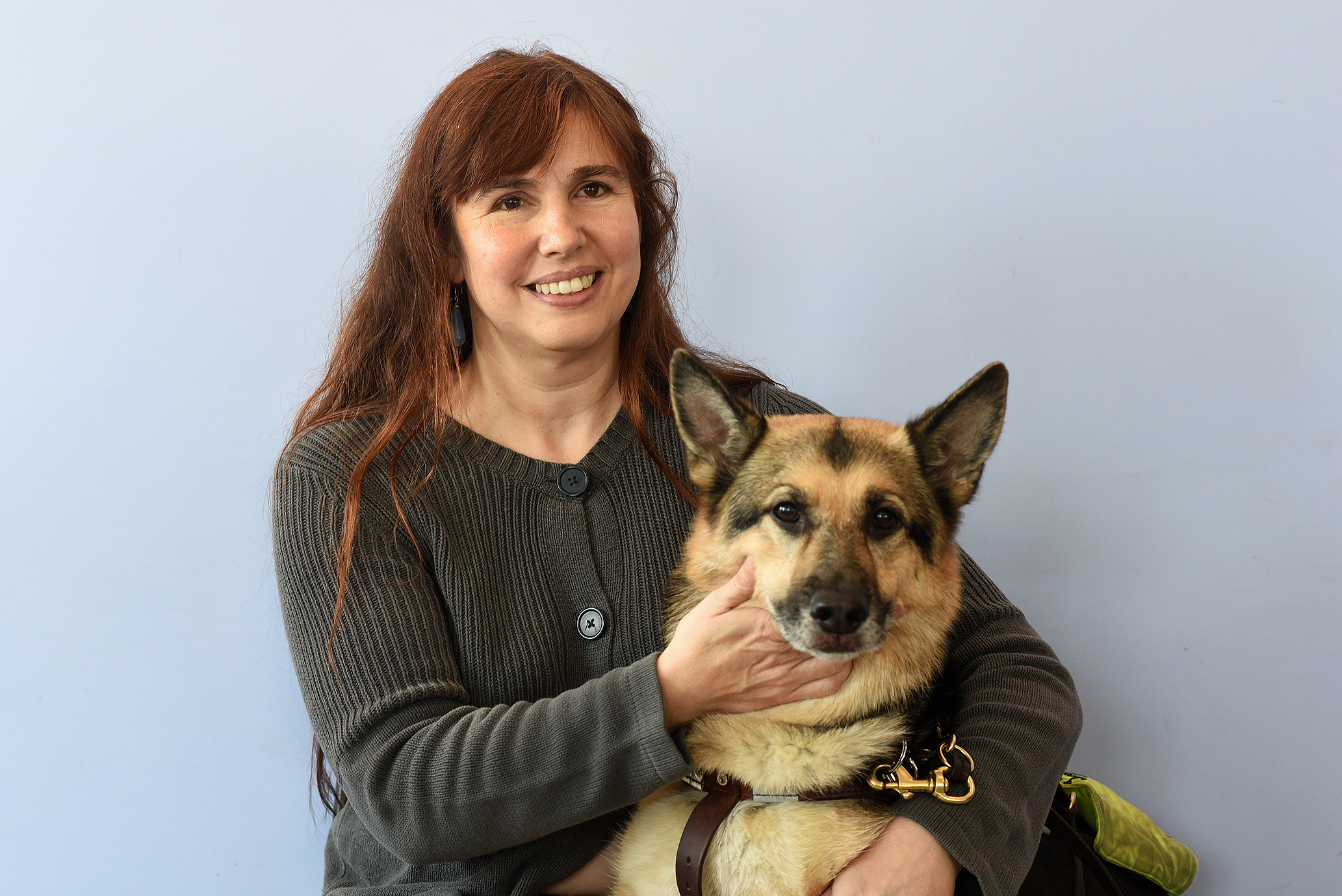
 This week, Sam and Charlene welcome Dr. Vanessa Humphreville, a transplant surgeon and associate professor at the University of Minnesota Medical School, to discuss organ donation.
How complicated is the process of becoming an organ donor? Who can donate, and who is eligible to receive a transplant? What advances have been made in recent years, and are new challenges making organ donation more difficult? Dr. Humphreville helps us understand the process, clear up common misconceptions, and explore what donors and recipients need to know.
To get on our email list, receive weekly show updates, or offer feedback or guest suggestions, email us at [email protected]!