[00:00:00] Speaker A: KPI.dotorg.
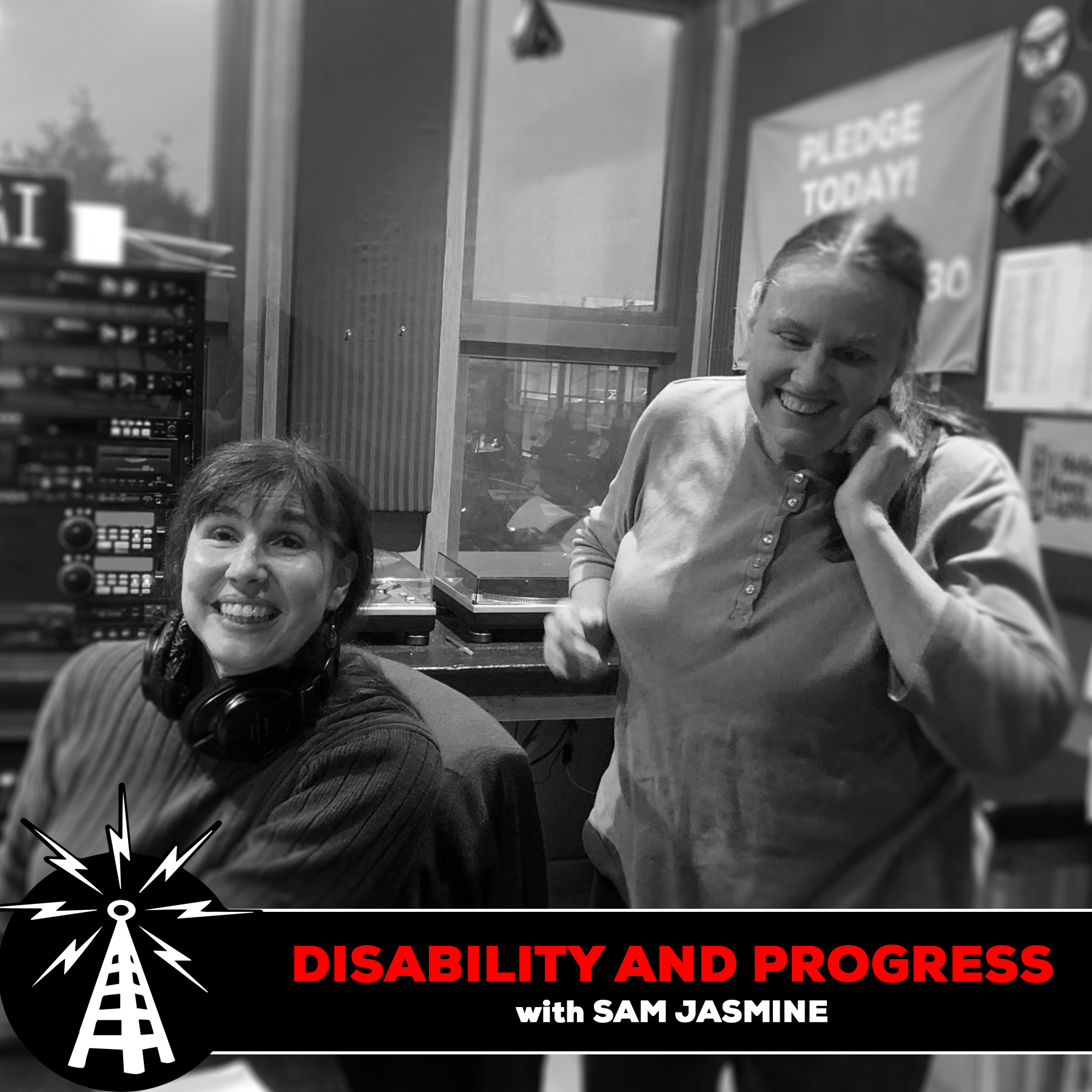
And greetings and thank you for joining Disability and Progress, where we bring you into ideas about and discussions on disability topics. I'm Sam Jasmyn. I'm Charlene Dahl. Charlene, we're back.
[00:01:13] Speaker B: We are.
[00:01:13] Speaker A: We are back in the studio. For all those of you who missed us, thank you.
And for those of you who didn't just say you did.
Anyway, it was a great summer. I hope everyone's enjoyed their summer. If you're listening into Australia land or New Zealand, your summer has not yet hit. But, hey, that's something to look forward to. Anyway, thank you for joining us tonight. We are speaking with. Well, this evening's guest is Carlos Diaz. Carlos is from TSE Incorporated, and he'll be talking about information about TSE Incorporated and about Made it in the Shade. Hello, Carlos.
[00:01:55] Speaker B: Hi. Thanks for having me, Sam.
[00:01:57] Speaker A: Ah, well, thank you very much for being on. We really appreciate it.
So why don't we start? I'm just curious, Carlos, because everyone always has their little journey they take. So what was your journey to get to tse?
[00:02:13] Speaker B: Yeah, it's interesting.
Right out of high school, I was, even before high school, I really wanted to join the military.
At 14 years old. Oh, geez, you were tough. I actually attempted to and they turned me down. But eventually, though, I did get a chance to do that young adult years. And, you know, I did that for a while.
[00:02:37] Speaker A: Did you do that? Was it the Air Force, army or Marine?
[00:02:40] Speaker B: I was actually in the Marine Corps.
[00:02:41] Speaker A: Oh, Marine Corps. Okay.
[00:02:43] Speaker B: Marines. Yep. And. And I pursued that right out of high school and after that because I was in the reserve, so I was actually stationed, stationed here in the Twin Cities. Minneapolis, specifically.
[00:02:54] Speaker A: Okay.
[00:02:54] Speaker B: So if you don't know, there is a, a Marine base in Minneapolis.
[00:02:58] Speaker A: I did not know that.
[00:02:59] Speaker B: Yeah, it's pretty small. Not a lot of people know, but so I was able to go to school at the same time. And right out of, you know, right when I was doing the military and the school, I was like, I kind of want to, I want to do law enforcement. I was interested in that. I figured that would be the, the path.
But I ended up not doing that. So I just went right into the workforce and I, you know, I worked for different companies and different jobs, but at some point I was like, I really want to give back to my community and I really wanted to give back to people specifically. And, you know, one day I was like, I need to go back to school. I'm gonna go get my bachelor's. Some, some degree. Where I can work with individuals, people, whatever their circumstances are.
[00:03:39] Speaker A: Right.
[00:03:40] Speaker B: And through that time, I did my school and then I needed to find a job, and naturally I found tse, I think through a website search at the time, and it just stuck to me. I was like a job coach for people with disabilities. I was like, that sounds amazing. And that was in 2016, so I started in 2017.
[00:03:59] Speaker A: Oh, wow. So you, you had to rough it through the pandemic.
[00:04:03] Speaker B: Yes.
Oh, boy.
[00:04:05] Speaker A: Kudos for you for hanging in there.
[00:04:07] Speaker B: Yes. That was an interesting time.
It's interesting because the folks that I was job coaching during that time, they had essential jobs. And because I was their job coach, if they had to go, I had to go.
So I was in it. I didn't stop working. I worked. I've been working through that whole time.
[00:04:25] Speaker A: Did many of them have to go or did they were they just ordered to stay at home though?
[00:04:31] Speaker B: It. It all depends if they're essential. That was pretty. A pretty big deal. They would stay and they would go to their jobs.
They did have an option, though. They didn't have to go.
But there's always depending on the company. Right. It could be like a furlough situation or it could be like, as things get better, you could come back.
[00:04:51] Speaker A: Yeah, yeah.
So you were job coaching and then.
[00:04:57] Speaker B: And then eventually outside of tsc. I've done marketing stuff outside of tsc, but it was a skill that I developed and learned and I saw that TSC had a job within when I was job coaching to do that work for tsc.
So the job that I have now with tsc, it's communication and events coordinator. So I'm doing both marketing and communicating things that are going on with TZ externally. So a lot of, like social media, website doing things like this and then event coordination. So we also do the fundraisers as well as a nonprofit. So we try to raise money for TSC as well.
[00:05:37] Speaker A: Well, tell us a little bit about tse's mission and who, who you serve.
[00:05:43] Speaker B: Yeah. So. Well, tse's mission is enriching lives through employment and community connections.
And that really entails what it says. A big part of TSC is to give people employment in the community.
That seems to be a very, very important thing to the folks that we work with.
Everybody's, you know, we're all people and we all want to give back in our own ways, either to make money right through working or be a part of a team.
So that component is a really rich part of tse, is to get employed and in the community, doing jobs they really care about for whatever reason, they all have their own reasons. And then also just the community part of it. We help people get involved in their community more. So from going to museums to parks to volunteering, we have different volunteer opportunities that our people get a chance to do so. And that is all very important, whether they're giving back or making friends or working like we discussed.
That's all within the mission.
[00:06:50] Speaker A: What does TSC stand for?
[00:06:53] Speaker B: It's actually funny. That's a funny question because we get that a lot.
It stands for Training, Support Employment.
But it's not written out in our logo or really anywhere. But as of late, at least my time with tusc, I've heard a lot. Like we should put it in more places because it kind of spells out a little bit more what we do.
[00:07:12] Speaker A: Well, it kind of makes people understand. Oh, that's what. That's it. Yeah.
[00:07:16] Speaker B: Co.
Yeah.
[00:07:18] Speaker A: So talk a little bit, if you would, more about the employment services that TSE provides.
[00:07:26] Speaker B: Yeah. So it's a really big part of tsc. So if you are. So we have people that come into tsc, we have resource centers and a lot of them are run by service directors and they oversee like programming for helping people be prepared for the workforce.
If they're not going to be working or if they're not working, they're still able to receive those.
Those kinds of trainings, soft skills, hard skills, things that they can really use to be employable from. Literally from hygiene stuff, you know, how to come in.
[00:08:01] Speaker A: Oh, yes, that's important.
[00:08:03] Speaker B: Yeah, yeah, yeah, that's a big deal. And learning. And learning about how to.
[00:08:07] Speaker A: Cab drivers. We could train for that one.
[00:08:10] Speaker B: Yes, yes, yes.
[00:08:11] Speaker A: Sorry.
[00:08:12] Speaker B: I digressed to some hard skills. So like customer service or how to. How to work on you a pallet jack or something like that.
Things that can really develop their skills to go into different fields that they really want to.
That's a part of it. And then there's the community employment, which is we have people that they're called employment advisors and they go onto the community and they're talking to dozens and dozens of businesses and they're trying to make connections so that our folks could work in the community.
Because that's one of our big things is that our folks want jobs in the community in their local, you know, stores or outlets or what have you.
So they could also make money and feel like they're a part of a team.
[00:08:58] Speaker A: Right.
[00:08:59] Speaker B: And they want to. They want to feel like they're getting the job that they want, and that's a big thing about tsc, is that we want to make sure we connect them to the right job for. For them.
[00:09:07] Speaker A: Well, and it so overflows in a lot of things. Right. If they have money, they can do more fun things. They can go out and have coffee with their friends.
They can, you know, they can make friends in the community. I'm guessing that's a big part of what's important for that kind of thing.
As a job coach, when you did that, what was the most rewarding part of that to you?
[00:09:36] Speaker B: You know, it sounds a little selfish, but I loved how they felt like friends.
All of the folks that I worked with, it felt like I was really connected to them. And, you know, we're there to serve them and, you know, and train them and, you know, give them a better life through the services that we have. But I've made so many genuine connections with the people that that's what I really loved. Absolutely. And I still do that now, even. Even in my new role. Like, I'm still connecting with people that we serve, and I still get that. And it's like. It's like I get to go to a job where my friends are also.
[00:10:13] Speaker A: So I'm guessing that TSC is like a day program.
[00:10:16] Speaker B: Yes.
[00:10:16] Speaker A: They don't stay overnight. How many different resource centers? Resource centers are there around?
[00:10:21] Speaker B: Yeah, there's. There's four total, and they're mostly in the St. Paul area. There's one in St. Paul, one in Roseville, one in Maplewood, and then one in Vandice Heights.
[00:10:33] Speaker A: And what's the general age of the person that would go there?
[00:10:38] Speaker B: That's a good question. It really. It really varies. I've seen as young as, like, 20, but I've seen as old as old as in the 70s.
So there's a big range, for sure.
[00:10:49] Speaker A: So they're still trying to get jobs, then?
[00:10:51] Speaker B: Yeah. So some people, you know, older folks aren't necessarily looking for work. There's actually. We have a dedicated space for mostly people that aren't wanting to work, and they're leaning more into the enrichment the community. The community? Yes. Yep. Yep. Where they were doing art in the. In the work in the resource centers, or they're going out in the community to whatever things that we can program for them.
Mm.
[00:11:13] Speaker A: So what kind of things would you be doing for, like, if they want to connect just in the community?
[00:11:20] Speaker B: Yeah, let's see. Well, we've done, like. We've done, like, job tours, so even if we're not literally looking for a job placement, per se. There's different organizations and companies that will allow us to tour facilities, which is a really, really cool thing, because then people can really start to understand what's out there.
If we're not doing something like that, then there's different, like, art galleries that people like to explore. And this is all over, like, the Metro, generally speaking, where they visit. So things like that.
There's a. There's different, like, organizations that have, like, certain activities that they do.
I forget the name of it. It's a Bloomington Community center that might actually be the name, but they do, like, country music every, like, once a week. Ah, yeah. And our folks. That's almost. Almost a weekly thing that we'll have folks go out there in the morning and grab some coffee or if they have, like, a treat, and then they'll listen and dance to the music.
So there's a variety of so much, so much out there, which is really awesome for them.
[00:12:24] Speaker A: How many people are in each program?
Like, does, like, an actual center serve?
[00:12:31] Speaker B: Yeah, I would say because they're all different, but I would say no less than 20, but up to, like 60.
So in that range. Yeah.
[00:12:41] Speaker A: That's a lot of people.
[00:12:42] Speaker B: Yeah. Yeah. I remember before the pandemic, like, there was at the place where I was, which is. It's called Work Ahead TSC Resource center in St. Paul, and there was easily like 30 to 40 people on a given day within like, three or four of job coaches, you know, operating in that resource center. So we'd see tons of people whether they were going to work, getting training, going on community outings and things like that. So. So, yeah, it's a good amount of people.
Cool.
[00:13:10] Speaker A: Carlos, I think this brings us to. While you're talking about many things, but Made in the Shades, one of them.
And this brings me to asking you, what is Made in the Shade and what are they?
[00:13:25] Speaker B: Yeah. So Made in the Shade is an annual fundraiser.
It falls this month every.
Every September. I believe it's the third week. Is that the 19th? Yeah, sounds right. Right?
[00:13:39] Speaker A: Yeah.
[00:13:40] Speaker B: But, yeah, so it's coming UP on the 19th, and it's an annual fundraiser that TSE is a part of.
And I say a part of because it was brought together by six other organizations to also add TSE and everybody there is, number one. Yes, they're to fundraise, but it's really a way to celebrate also the TSC services that help support people with disabilities.
So there's a few things going on during it.
One of the Main One is the 5K. It's called a walk run roll.
So people can participate in walking around Lake BDE Makasca at Thomas Beach.
[00:14:23] Speaker A: Gotta get used to that new lake name.
[00:14:26] Speaker B: Absolutely.
But yeah, the 5k is a big thing. So people will enj doing a walk around that during the morning.
But not everybody goes. And you don't have to because you can hang out with the organizations that are there. So we'll have a booth, so to speak, there, and so will the other organizations.
And we're all there to be. Right. To do the fundraiser, but also awareness of the, you know, the existence of all of us and do the fundraising. And there'll be music there and food as well and a few other activities. Last year we had miniature horses.
[00:15:01] Speaker A: Oh, wow.
[00:15:02] Speaker B: And I think they're actually coming back.
[00:15:03] Speaker A: Really?
[00:15:04] Speaker B: Yeah. They're very adorable. It's. Once you see them, you're just like, oh, nice. And you just. You can pet them. And they're very gentle.
[00:15:13] Speaker A: And are there, like. Are they therapeutic horses or is it just.
[00:15:17] Speaker B: I believe so. I believe the organization, one of our. One of the organizations that works with Made in Shade with us, they connected to that organization that brings them in. And I believe that's what they were. That's what they were for, which I think that that's. That helps. It does work. You see them and they just make you feel good.
[00:15:37] Speaker A: Yeah.
[00:15:38] Speaker B: Yeah.
[00:15:39] Speaker A: So how long has Made in the Shade been going on?
[00:15:43] Speaker B: So this is actually the 35th. 35th year, so it's quite a while. Yeah. This would be. I think, technically, I think this is my fourth. I want to say it's my fourth year. Cool. Being a part of it.
[00:15:55] Speaker A: And why do you feel like this is so important?
[00:16:00] Speaker B: Well, it's. It's really impactful for the organizations that are. That are running it. And it goes to show you, like the. The. The. Excuse me, the collaboration for it, because where some organizations might compete for, like, dollars or something like that, we get, you know, we. We really put all our resources together and our reach together to talk about it and run this event for all the people that all of us serve across the board.
And I think that's really a beautiful thing because it's cool because when I'm there, I meet people that are being served by residential services and they want jobs and would they have ever encountered tsc? Possibly. But now that I'm there and they participate through their organization, they can inquire about that. Right.
So that. That, you know, that the umbrella of all of us coming together like, that is really, you know, really, really, really good.
[00:17:00] Speaker A: Yeah. And tell me, how many organizations usually come together?
[00:17:03] Speaker B: Yeah, there's seven total. So TSC included.
[00:17:06] Speaker A: It changes each year, doesn't it?
[00:17:08] Speaker B: As far as I know, no.
[00:17:09] Speaker A: No.
[00:17:09] Speaker B: As far as I know, no. Spend 7. As far as I know.
[00:17:13] Speaker A: We have had a booth there once, but we didn't this year. We're not. But sure.
So who's all there this year?
[00:17:20] Speaker B: Yeah, I'll tell you.
So there's us. So tsc, and then there is Partnership Resources, or pri. Some of these are. They acronym themselves, too, but they spell it out.
Yeah. Wingspan Life Resources.
[00:17:35] Speaker A: Yay. I know. Wingspan. Hi, Daralyn.
[00:17:37] Speaker B: Yep. And then we got Homer Bound, the Phoenix Residents, and then pai, or People Achieving Independence.
So they're all an awesome crew. So we'll meet up basically a few times since, like, the beginning of the year. We'll have a bunch of meetings to prepare for this throughout the year until, obviously, when we come up to the event.
[00:18:00] Speaker A: So how are funds raised? And, you know, how can people contribute or participate?
[00:18:09] Speaker B: Yeah. So, well, there's obviously, there's sponsorships. So organizations can, you know, approach that, the fundraising efforts through sponsorships.
But the big one, which is really the community engagement of it all, is doing pledges. Doing pledges, people creating.
[00:18:29] Speaker A: Just like we have to do.
[00:18:30] Speaker B: Yeah, exactly. Yes, yes. The nonprofit world, we're reaching out to our best people to help us continue what we do. And so doing pledges is a really good way to have us go out and ask our friends and family, co workers to ask for those donations. And people can raise funds for every organization in their own way.
So that's the other way that we do it if we're not asking organizations to do it, which I think is an awesome way, because it gets everybody giving back to the services they care about and the ones they're connected to.
[00:19:07] Speaker A: Yeah. So in a political arena here, I feel like this is getting harder and harder with fundraising, and especially now during this time where you are seeing gas prices are high and groceries are high and there's all this stress happening. What do you see in the fundraising arena happening with these types of programs?
[00:19:38] Speaker B: That's a tough question.
I'm not sure, but I know what I can say is that if we can't meet the fundraising goals that we want to, I think it's a sad day for a lot of people because what we do is super, super important.
I have a brother with a disability, and the services that he gets provided to him, these are basic Living things that some folks need.
And those dollars are immensely impactful for each person.
So if it becomes harder, you know, that's. That's very sad, to say the least.
So I hope it doesn't go that way, I guess is how I would answer that.
[00:20:25] Speaker A: Do you feel like having a brother with a disability played into you doing something like this at all?
[00:20:33] Speaker B: I don't think I've ever cried about that and I felt a little tear coming in. But it's. Honestly, yeah, I did feel. I did feel that very powerful feeling when I was looking into this type of work. My brother was a big motivation and yeah, so, yeah, I did transition because probably a good reason was what was because of my brother.
[00:20:54] Speaker A: And are you close with your brother?
[00:20:56] Speaker B: Yep, I see him like every weekend. Yeah.
[00:20:58] Speaker A: Excellent. Excellent.
[00:21:00] Speaker B: Yeah.
[00:21:01] Speaker A: What kind of volunteers do you guys need in tse?
[00:21:08] Speaker B: Well, right now, so like, Made in the Shade is a big one that we'll need folks.
So right now with things that are.
Things have already been done basically ahead of it.
But the day of, there's a lot of things that we, you know, we need help setting up. So if folks wanted to do that early in the morning, that's 8 o' clock would be something, a timeframe for that starting out. Because the event kicks off at 9:30 on the 19th and it goes to how long? Yeah, so it's 9:30am to about 12 or 1pm okay. So, yeah, so we'll need people setting up.
There's food being served, so there's gonna be a couple food lines. So people putting together burgers or handing out a treat or some chips, condiments, all that stuff happens.
Cleaning up. So like afterwards, like a lot of things can need to get knocked down, you know, making sure we leave the place how we, you know, how we found it.
Those are really big roles that we were really seeking for volunteering.
[00:22:13] Speaker A: And what about TSC in general? Just do they take volunteers to help them throughout the year?
[00:22:20] Speaker B: Throughout the year? Generally, no.
If it does come up, it's usually for our fundraisers. Ah, yeah, so we have fundraisers that. And thankfully we have a lot of like, pretty dedicated ones, so they're always coming back.
But if we were going to look for them, it's usually in a case of like, if we're running an event or a fundraiser that we would seek that.
It's not a whole lot that we're asking folks to help us do things. There's moments, but not too many. And if anything, it's usually for people that are really searching for, maybe their job is saying, hey, look for a nonprofit that you could help out, and then they'll find a role somewhere because there's other roles that some of the staff members that I work with could use them.
But it's not something that always occurs. It's usually somebody that's really looking to give back in some way.
[00:23:17] Speaker A: So this may be a loaded question, but due to a lot of the exporting of people happening, sometimes I've known a lot of, you know, programs, like, especially the group home programs or programs probably similar to yours that have a lot of people of other cultures working in them. And have you noticed any effect with staffing or are you guys set or has it been hard to find staffing or keep staffing?
[00:23:57] Speaker B: It is hard to keep staffing, you know, and I can only speak so much because I don't do like, the HR work. But, you know, I see new people come up, come up a lot. And so I imagine that there is definitely like a, you know, cycling. But it's, you know, it's. It's the competitive, the competitive pay that a lot of folks are looking for, that, that sometimes nonprofits can't, you know, they can't match. They can't match.
But it sucks because it's like we have really important work to do.
And the folks that do come in are awesome. I met plenty of other job coaches that are there, and they're just the best, you know, and the people skills and the people that we work with love them. And it's a lot like teachers, the roles that are in there. It's a lot like teachers, they know them by name, they're excited to see each other. There's hugs, there's high fives, all that stuff.
But when they can't stay, it's unfortunate because I'm pretty sure they love the job. I love the job. Even when I was the job coach, I was like, well, sad that I need to move on. It was my calling, so to speak. But, yeah, I was a little let down that I had to move from that. But they found other people, which is great.
[00:25:06] Speaker A: And I think people who are doing what you guys do, they're the die hards, right? They're the people who are truly giving back and who truly. They're in it for the long game or they try to be, and they're in it to try to make a difference in people's lives.
And I feel like it's so hard when they're not getting the pay that they need.
And then they don't get a big choice with that.
[00:25:32] Speaker B: Yeah.
[00:25:32] Speaker A: What are the general numbers at Made in the Shade? Like how many people do you generally see show up there?
[00:25:39] Speaker B: Yeah, I've heard numbers. I've never counted people, but I've heard numbers. I would say no less than 500 people show up.
[00:25:49] Speaker A: So a decent amount.
[00:25:51] Speaker B: Yeah, absolutely. It's a, it's a busy, buzz bustling day for sure, which is exciting to see. It gives you the energy, it gives you the energy in the morning to see all these faces and from, you know, from tsc, I'll see faces that I recognize and be excited to see them. So. Absolutely. It's, it's a, it's a celebration. So the music's there, the people's there, the activities are there. So it feels like a good time.
[00:26:13] Speaker A: You know, Carlos, I'm wondering what we're gonna wrap up a little bit. So what are any final things that you'd like to have people know about tse? And also you should give another plug of when Made in the Shade is.
[00:26:31] Speaker B: Yeah, so, yeah, so again, TSE is. Our mission is to enrich lives through community and employment. Sorry, employment and community connections.
And. Yeah, so our whole focus is to serve people, to help them find community and employment.
Sorry, employment and community in the community.
Yeah. So anyway, so basically it's Made in the Shade coming up, the organizations that are participating, we're all doing different types of work for the disability community. And with maidashade coming up, every one of us is running some type of fundraiser. And if you are interested in supporting TSE or any of the other organizations, you know, check us out.
Our website is set up for donations, so if you just land on the homepage, you could scroll down and find a spot to donate directly online.
[00:27:33] Speaker A: Who knows, they may need people to work.
[00:27:35] Speaker B: Yeah.
[00:27:36] Speaker A: And yeah, if you're looking for a job, would you say there were four of them? Right.
[00:27:39] Speaker B: Yeah.
But same thing for any of these other organizations, all doing this awesome work. They're all trying to find ways to fundraise up until Made in the Shade. So if you're interested in any of those other organizations doing different types of work, definitely look into whatever their website or look out for any of their communications out there and support through their fundraising efforts or you're just showing up, come and hang out with us, get to know us, get to know what we do, the people within us, you know, within each organization, and we'll have a good time and hopefully it's a good day because we've gotten close Calls with rain.
[00:28:19] Speaker A: So that's true. You have, haven't you? We haven't had any rain. Well, yeah, well, that's true. We haven't had any rain. But there's always. Now you've jinxed it Sharpen.
Just saying.
I'm wondering, like, what. Is there any story that you remember that, like some you helped somebody get a job that your first time that you did, what was that like?
[00:28:46] Speaker B: It was unreal because it's.
You spend so much time in your own personal life looking for work.
[00:28:55] Speaker A: That's so true. Yeah.
[00:28:56] Speaker B: You find out how difficult it is, and then, you know, the fact that you're doing. You're helping someone else do it and you're jumping hoops, and it almost feels like.
It almost feels like a much more valuable thing. And so you're just like, all about.
Feels so good to be like, I'm gonna do this and this for them, whether it's searching for the job or talking to employers.
But when you finally get there, it's like, oh, wow. Like, that was very cool. Like, I just jumped the hoops that I normally do for myself and I did it for somebody else.
And now they're. Now they're happy and excited about the job.
[00:29:32] Speaker A: Do you feel in a way that there's extra. I always felt as having somebody with a disability that there's extra hoops you always have to jump through to be on the same playing ground as somebody who doesn't have a disability.
[00:29:45] Speaker B: Yeah, yeah, I'm sure it's out there. I wouldn't. I don't have words to it, but I know the feeling.
For some reason, it does feel like we're doing a little bit of extra hoops, like you say, to get some folks employed or to keep them employed because of, again, some competitive.
The competitive nature of just businesses. Well, we need someone to work more hours. We need people to take on more work.
And a lot of times these companies are trying to. At least we hope is to carve out something for us because sometimes our folks are not going to meet whatever they're going to have. And that could be time, more time or more developed roles that our folks won't be able to do.
So.
Yeah, that's kind of my answer to that.
[00:30:39] Speaker A: Well, Carlos, first of all, Charlene, is there anything else you want to ask? No, I really give you credit to do this kind of work because it is sometimes a challenge.
Well, Carlos, thank you so much for coming in. I really appreciate it.
And take care and good luck.
[00:31:01] Speaker B: Thank you so much. Bye, everybody.
[00:31:04] Speaker A: Well, everyone, thank you. I hope you enjoyed that show with Carlos Diaz and Charlene.
We have so many other good shows coming up. So I did spend. I didn't just sit on my bottom, Charlene. I did spend some time prepping people. So we've got people coming in to talk about the Olmstead, and if you don't know what that is, tune in next week because we've got some really a great group coming in to talk about that, and that is definitely being affected by politics. We have people coming in to talk about running for a seat in the in political arena.
We have somebody coming in to talk about that. Who's it who has autism and he's running for a seat. So good for him.
So, as I said, the next two weeks there'll be pledge drive, so I'm hoping everyone will call and give a little bit. Isn't there a super tramp song? Give a little bit. That's what it is to pledge to KFAI and Disability and Progress. Remember, we have so many shows on kfai, so many shows. We do support so many different shows and languages and just cultural diversity. So that's that. Charlene, is there anything more you want to say?
Well,
[00:32:41] Speaker B: KFAI is on.
Are they on 24?
[00:32:47] Speaker A: Yep, they're on 24 7. We are on 24 7. Well, not this show, but KPI. Although you could listen to us over and over again if you wanted to. I mean, I'm sure we'd be thrilled if you did that. We have the podcast that you can go on and hear scores of stuff about, you know, that that stretches back a while and just any type of disability topic that you can think of. But we are always open to other disability topics. And if you have a suggestion that you would like to on Disability and Progress, you should email us at samisability.
Oh, what am I saying?
Disability and progressamjasmond.com okay, it has been a whole summer. Cut me some slash.
Disability and progressamjasmon.com and it's all written out. No and signed. So Disability and
[email protected] and we would love to consider.
I have gotten some people who've emailed me over the summer, so they will be coming on. I'm hoping to get also somebody to come on and talk about blood donation because that's something that has really, really been needed. You know, other than that, I hope you enjoy this and take care and come back and listen next week.
And this has been Disability and Progress. The views expressed on the show are not necessarily those of KFEI or its board of directors. My name is Sam. I'm the host of the show. Charlene Dahl is my PR research person. We have been speaking with Carlos Diaz. Carlos was from TSE Incorporated and he was talking about tse. I'm Made in the Shade. Thanks to Darrel and Gray, who assisted with the outline of this program today. Also, thank you to Aaron. Aaron is my trusty podcaster. Thank you, Aaron. Thanks for listening.
Take care.
[00:35:05] Speaker B: Of.
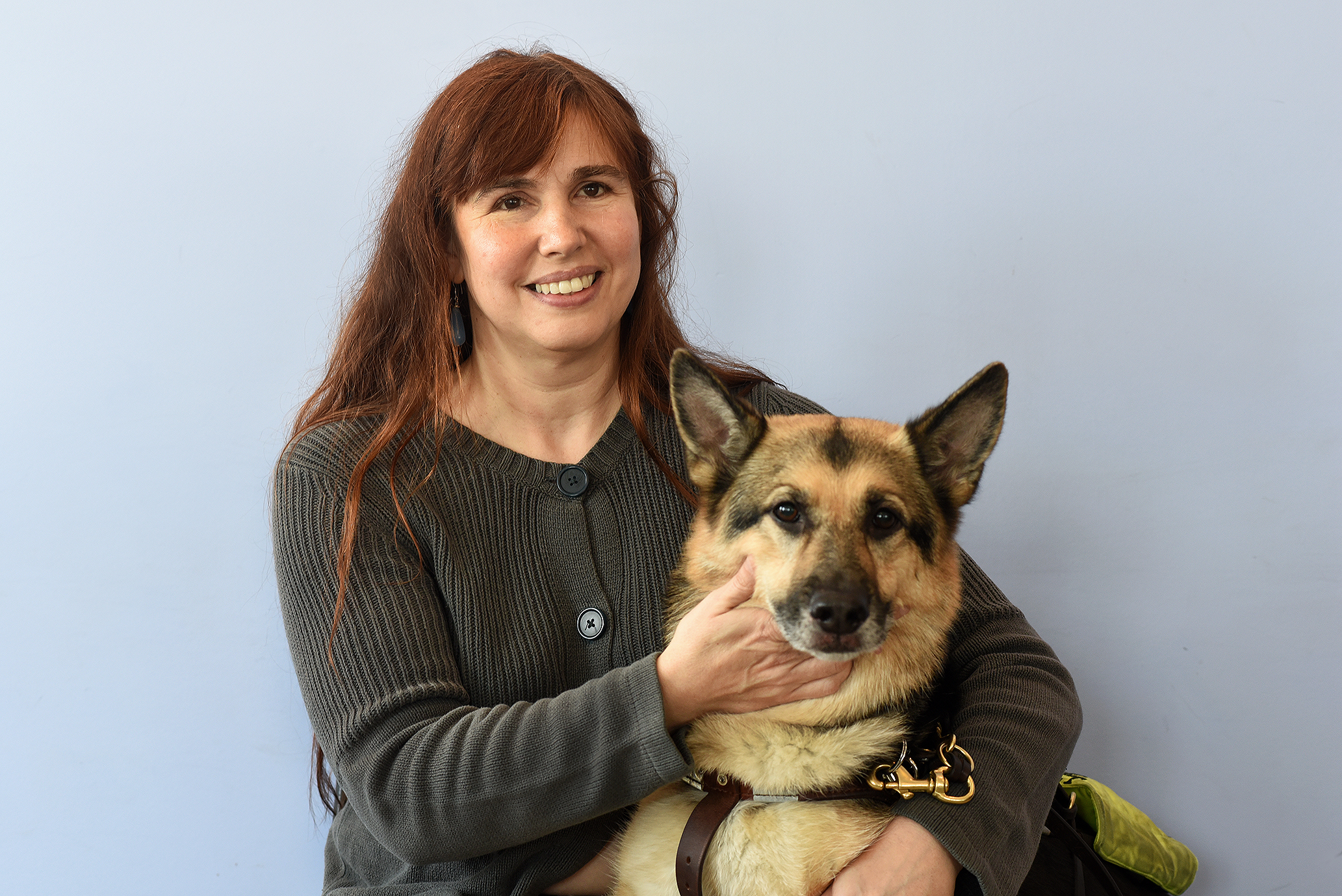
 Back from their Summer sabbatical, Sam and Charlene welcome Carlos Diaz with TSE, Inc. to the studio! Carlos talks about his caeer, what TSE provvides for the community, and promotes the event Made In the Shade! To get on our email list,receive weekly show updates, or offer feedback/guest suggestions, email [email protected]!