Episode Transcript
[00:00:00] Speaker A: KPI.
[00:00:32] Speaker B: It.
This is Disability in Progress, where we bring you insights into ideas about and discussions on disability topics. My name is Sam Jasmin. I'm Charlene Dahl. I'm the host of your show, and Charlene Dahl is my research PR person.
Tonight we are speaking with Dr. Loth, Dr. Katie Loth, who is going to talk about eating habits and disorders. And happy New Year, everybody. We are back with all new shows, and I'm excited to get this started. So, Dr. Loath, thank you so much for joining in.
[00:01:36] Speaker A: Yeah, I'm really happy to be here. Thanks for having me.
[00:01:38] Speaker B: Can you start out by giving us a little bit of history on you and exactly what you do?
[00:01:44] Speaker A: Yeah, yeah. Thanks again for having me. My name is Katie Loth. I'm an associate professor in the Department of Family Medicine and Community Health at the University of Minnesota. And in that role, I spend time working as a clinical dietitian as well as doing research on the prevention of eating disorders.
[00:02:03] Speaker B: Great. All right, so I'd like to start out by just talking about how do you. It seems like there's so much out there on eating. I feel like, especially now, it's more and more.
And we just got done with holidays, which I don't know about you, but I know I participated in unhealthy eating.
It happens all the time. You go to parties and Christmas and New Year's and all these different holidays. Anytime you hit a holiday, it seems like you've got all these dinners or whatever you're doing, guests.
How do you define healthy eating habits?
[00:02:45] Speaker A: Yeah, that's such a great question. And I think in particular, both coming off the holidays and then a lot of folks think about healthy eating and habits as they think about the new year and setting New Year's resolutions. So I feel like it's definitely a topic around us all the time, but maybe more so at this time of year, when I think about healthy eating, I really try to think about balanced eating. And so, you know, moving away from kind of the. The black and white thinking of things are healthy or things are unhealthy and really thinking about kind of more holistically, you know, trying to kind of balance the. The foods that we enjoy eating and spending time with family and friends around the tradition of eating and. And all of the kind of joy that that can bring, but also making sure that, you know, we are getting our fruits and vegetables in as well. So kind of thinking about balance over time rather than trying to think about good versus bad.
[00:03:34] Speaker B: Oh, yeah, it's so hard. I Think. So when your idea is like, oh, it's a holiday. I'm gonna pop a cookie. And then you don't feel so hungry for eating some of the good stuff that you should be eating, it's so hard. I think I've almost started to try to eat one fruit and one vegetable first, and then, you know, go along with my snacking or whatever, because you're doing all sorts of that.
I'm wondering why the relationship with food is so important as eating. Is there a difference between the. The relationship you have with food and what you eat?
[00:04:15] Speaker A: Yeah, that's a great question. I mean, when I think about a relationship with food, I kind of think about all of the conversations that you have inside your own head as you're thinking about what to eat or what not to eat, and you're laughing. So I know you know what I mean.
[00:04:30] Speaker B: I totally do.
[00:04:32] Speaker A: And so I think about what I would love for everybody, right? My dream is a world in which people can have that cookie. And it's just a cookie, right.
[00:04:42] Speaker B: And they.
[00:04:43] Speaker A: You know, we know that we also need to be eating fruits and vegetables, and we need to be getting enough protein and drinking enough water and. Right. There is some kind of truth behind, you know, that. That what we eat really does matter, but also how we feel about what we eat matters, I think, kind of equally. And so really trying to balance those two things where we make sure that we're getting all of the foods that we need to eat, but then when we do eat foods that bring us joy, that we kind of quiet. Are able to quiet that noise inside our head and just enjoy the food for what it is.
[00:05:10] Speaker B: Mmm.
So one of the things that I feel like even, let's say you're. You're done with all your stuff, the holidays and whatever, even in. In that, in between time, it feels like there's so much nutritional advice out there that focuses on different things.
You can probably find a book on how to eat, right?
I bet you could find over 20 of them if you walk into a bookstore. And so where. Where does somebody start when they want to think about nutrition advice and what that core principles might be or what they should focus on?
[00:05:56] Speaker A: Yeah. Yeah, that's a great question. And I think you're absolutely right. One of the things that I have, you know, noticed over. Over the years and that I've been a dietitian is just also how trends in food come and go. Right. The books that we could buy in the today look different than the ones we're going to be able to buy in a year. But some of them look kind of similar to the ones that were available 10, 20 years ago. So we kind of go through these cycles of what's good and what's bad to be eating.
And what I try to remind patients of when they come into my clinic is that kind of the core of what we know to be true hasn't really changed over time, and that's that all foods have a place in our diet. So we think about carbohydrates, think about protein foods, fruits, vegetables, all of those things have a role in our diet. And all of them play an important role in kind of helping us to be as healthy as we need to be. And it's kind of anytime we get out of balance, right, where we're eating most of one type of food or skipping another type of food completely, that's when our health can be negatively impacted. So really trying to think about.
I try to suggest every time you eat a meal that you want to have something that's got a protein in it, something that's got carbohydrates in it, and then a fruit or a vegetable, and that together makes a really balanced meal.
And trying to kind of have that happen each time that you eat.
[00:07:10] Speaker B: One of the things that I recently read a book, I'm not going to list it, but it kind of grated on me because when I grew up, first of all, I started growing up on a farm where you have meat, fruits, vegetables. And our house was not a big dessert house.
When we got dessert, it was sort of a privilege or a treat, right? So, ooh, it's your birthday, you get cake, or it's a holiday, you get desserts. There's desserts all over.
But in between the holidays, you really didn't get many desserts.
And now I read about good fruits, bad fruits, good vegetables, bad vegetables. And part of me thinks, oh, come on, it's a vegetable.
Are there good and bad fruits or vegetables?
[00:07:59] Speaker A: You know, I'm going to be. I'm going to push back in that. I really try to avoid the good. Good versus bad language with everything, right? But I would say no. I mean, to me, there's different vegetables, right? There's. I think probably what people are talking about is within the vegetable category, there's things that have more carbohydrates, like your potatoes and your sweet potatoes and corn. Those are starchier vegetables. And then we have some that are less starchy, right? So they aren't going to raise your blood sugar in the Same way. So, so they're different and they impact your body differently. They give you different types of nutrients, but I wouldn't categorize them as good or bad, just sort of playing a different role in what they give your body.
[00:08:35] Speaker B: I wanna touch base on how stress, busy schedules, and of course changes in life affect eating habits. And we've all had some of those. You're too busy, you pop something easy in your mouth, you, you know the difference with maybe eating something more processed for something quick. Talk about that, how that affects your body.
[00:09:06] Speaker A: Absolutely. So, I mean, you're right to say that when, you know, when we're busy, when we're stressed, when our routines get disrupted, that definitely changes the way that we eat.
And, and you know, that makes a lot of sense, right? When you're busier, you need to grab something quicker.
When you're stressed out, you know, our bodies crave sweets and things like that. And so I think the most important thing is sort of paying attention to that and being able to kind of recognize when that's starting to happen for you.
I try to encourage people, don't adopt a habit that you think you're gonna have forever and ever and ever and ever without any interruption, right? There's always gonna be life's interruptions. It's about noticing when you are interrupted and thinking about how can you notice that interruption?
Drop the guilt, right? Don't feel guilty about it, don't shame yourself about it, but instead just sort of how do we get right back on track?
Um, and so I, you know, the other thing I, I try to encourage, especially, you know, if you're a busy family or if you're, you know, if you have a busy work schedule. I know that a lot of your listeners, you know, have different kind of life circumstances that pop up and make things harder for them to do. And they may, you know, chronic disease, those kinds of things that may change over time. How can you have some things that are kind of your go to things to turn to when things get hard that are still maybe a little bit kind of healthier than driving through the McDonald's drive thru, right? So how can we have like a bagged salad at home or something, you know, a frozen Trader Joe's meal in the freezer that you can pop out and put in the microwave that still has some veggies in it, have a piece of fruit alongside it. And so it's not all or nothing, it's sort of. How do you, how do you acknowledge that you're in a time of stress or disruption to your routine. And how do you think about turning to something that is going to make life easy for you so you can kind of get back on track?
But, but you know, is still maybe a healthier version of what you'd otherwise choose?
[00:10:52] Speaker B: Can healthy eating, like, look different from one person to another or is it all basically the same?
[00:11:00] Speaker A: Yeah, I mean, I think our bodies all, I think our bodies all need different things. There are folks definitely who struggle more with, you know, noticing when they have a fluctuation in blood sugar. That's one example where if they eat a real high, high carb breakfast, then they feel really hungry a couple hours later. And some people are just a little bit more resilient to that and they don't notice those changes as much. And so I really encourage people to pay attention to how your body feels. Right. If you are someone who, who, if you eat a certain breakfast, feels really bad a couple hours later, then thinking about what do we need to do to change that breakfast so that you don't have that same feeling.
[00:11:35] Speaker B: And I'm, I'm also thinking about, you know, different people when they come from different cultures and you know, over often the Asian population, I was thinking they eat a lot of rice.
There's, you know, other populations that eat more of one thing than another.
Is that kind of just linked to body type? Like, obviously it's from where they are in their culture and maybe even country, that's what's available to them.
But some of the people, you think, boy, there's not a lot of heavy people over there, and here we seem to have an epidemic of it. Is that really so, I mean, do you see that the US has one of the biggest epidemics of overweight?
[00:12:29] Speaker A: Yeah, definitely. In the US we have a larger prevalence of overweight than many other countries. And I think it's hard to bring that back only to, to diet. Right. So there's so many things that play a role in our body weight and shape and size, some of its genetics. Right. And so people tend to kind of have more shared genetics among the folks that they, you know, that where they were born. Right. And so different countries kind of have a little bit of different genetics kind of guiding height, weight, all those kinds of things. It also comes, you know, with like you mentioned, different foods and the foods that people eat and, and also sort of the environment that we live in. Right. One of the, one of the differences too, in the United States that I think makes us different than a lot of other countries is how much Easier it is to drive from place to place and how much we're more reliant on cars and less reliant on walking, public transportation, biking and those kinds of things. So kind of that limited activity and some of the places it being even more challenging to be active. Right. It's maybe not as safe to ride your bike here or as safe to get outside and walk around.
[00:13:37] Speaker B: I want to touch on eating disorders.
I think, you know, obviously you've seen them probably most likely in your clinic.
I want to talk about what, what is an eating disorder and how they different.
How are they different than like occasional unhealthy eating?
[00:13:59] Speaker A: Yeah, that's a great question. Yeah. So, you know, I think when most people think about an eating disorder, they tend to think about kind of maybe what they about in health class or what they've seen on tv. So that tends to be, you know, anorexia nervosa, bulimia nervosa, and then binge eating disorders. Those are sort of like the top binge eating disorder. Those are the top three kind of clinical eating disorders that we hear about.
Anorexia and bulimia are quite uncommon. Right. Clinically diagnosed anorexia and bulimia are quite uncommon in our, in. In our US Population. That doesn't mean that they don't exist and they're very severe when they do. Right. Those are things that we really worry about when we see them pop up in young.
Binge eating disorder is a bit more common and yet still one of the things that I really like to talk about when I have the opportunity to is far more common than those clinical eating disorders are the kind of the disordered eating behaviors that you may be alluded to. Right. Where people are engaging in restriction or purging, diet, pill use, meal skipping, those kinds of things where they don't meet a clinical diagnosis for an eating disorder, but they're still engaging in really unhealthy behaviors that's much more common and prevalent in our population. Up to 50% of girls, about a third of boys are engaging in disordered eating behaviors in our, in our adolescent and young adult population in the US So much, much more common.
[00:15:25] Speaker B: So it sounds like the female gender is hit heavier by an eating disorder if they're going to have it. Why is that?
[00:15:34] Speaker A: Yeah, that's a great question. And you know, women definitely kind of, from what we know, are hit harder across the board. Although I always want to emphasize, right. You can't make an assumption about who does or doesn't have an eating disorder. Based on gender, they certainly hit all genders, all racial and ethnic backgrounds, all socioeconomic statuses. But women tend to be have these things at a little bit higher prevalence. And I think that that's thought to come from the societal pressures that hit women a little bit harder about kind of what we feel like we're expected to look like that thin ideal, what we see in magazines and on TV and social media and things like that.
[00:16:13] Speaker B: You talked about the three most common eating disorders, Bulimia, anorexia, and binge eating. Could you just tell us a little bit of the difference between those two or three?
[00:16:25] Speaker A: Sure, yeah. So anorexia is what we typically think of. Kind of the hallmarks of anorexia are restriction. Right. So restricting your dietary intake to a degree where it generally leads to weight loss.
And then, you know, in young women, it can also lead to kind of loss of menstrual cycle. In young men, it can lead to changes in hormone levels as well.
And so, again, hallmark is really restriction, restriction with the intent of weight loss for bulimia, that the hallmark of bulimia is eating, but then purging in some way. So either making yourself vomit, taking laxatives, diuretics, those sorts of things. Also, sometimes people will purge with exercise. So kind of eating your food and then trying to get rid of it in some type of way.
And then binge eating disorder was the third that I talked about. And the hallmark of binge eating disorder is over consumption of large amounts of food in a way that feels really out of control for the person that's eating.
[00:17:29] Speaker B: Thank you.
Are there myths about eating disorders that you wish the public understood? And. And if so, what would they be?
[00:17:40] Speaker A: Yeah, I think I, you know, I think I alluded to one, which is that, you know, I think while eating disorders tend to be more common in women, I think it's really important for people to know that they can occur right across the gender spectrum, across the racial and ethnic.
Across a variety of racial and ethnic backgrounds, across socioeconomic statuses. Right. So you can't make an assumption about what type of person might have an eating disorder, because all kinds of people can struggle.
And then I think the second is that we tend to think about, kind of, especially because of how eating disorders are portrayed in the media, that you're going to be able to look at someone and see they have an eating disorder. Right. They're going to be really thin.
But what we know is that people can have anorexia. They can be extremely restrictive in their. In their intake. Right. But if they, if they started at a higher body weight, they may not look like somebody that is struggling with malnutrition or anorexia. And so some of the time, you know, I even worry in a clinical setting, if somebody's lost a lot of weight and we congratulate them. Right, right. That can be really dangerous because we don't necessarily know what went on behind that weight loss. Right. And so really making sure when we think about commenting on people's weight and bodies, always try to avoid that. But. But, you know, for clinicians, for family members, if you're seeing somebody really restricting and.
And whether or not that's led to weight loss that you feel is concerning, that anorexia and restrictive disordered eating can really occur across the weight spectrum as well.
[00:19:05] Speaker B: So somebody can look okay on the outside, but really be struggling on the inside, is what you're saying.
[00:19:12] Speaker A: Absolutely. Yeah. Yep. And that that struggle can be physical too. Right. Like someone can be living in a larger body and be malnourished.
And so I think that that's. That's a myth as well. Right. So if we're. If you have, you know, carried extra body weight and then you've been restricting, restricting, restricting, you might still be living in a larger body and not have the nutrition that your body needs to sort of sustain itself.
[00:19:36] Speaker B: I always hear about different kinds of fat that there's the fat you carry on your outside, and then there's a fat that you carry on the inside.
And how is it different? And does it.
Is it different with how you lose that?
[00:19:53] Speaker A: You know, that's a great question. There is. There is a lot of, kind of. That's a. I guess maybe an area I know a little bit less about. But I'll share with you what I do know. You know, people. There are people, and I think this is driven primarily by genetics. Right. Who carry their body or carry their adipose tissue or their excess weight internally. Right. So you might. You might look at that person and they might look slim or slender, but inside their body, they have a lot of fat around their internal organs, is how we think about it, versus someone who, when they gain weight, that excess weight is on the outside of their body and it's a little bit more visible to you. And then there are certainly a lot of people who can. Can have a mix of that. Right. Some on the outside, some on the inside. It's not. It's not only one way or the other.
And the thought is that that internal weight. Right. That you might not necessarily be able to See, can sometimes be more harmful because it's, it's near people's organs and it can disrupt their, their metabolic function and their organ function a little bit more than the excess weight that's carried on the outside of somebody's body.
And so I think, you know, in terms of how people lose the weight, I think in general there's a lot that we don't know about weight loss. And I don't know that there's a different way to go about losing internal versus external weight. But that's certainly something that might just not be something that I know about.
[00:21:10] Speaker B: How early can an eating disorder begin and can they affect people at any age? Like, is it much less likely that somebody's going to develop one when they're 70 as opposed to 10?
[00:21:23] Speaker A: Yeah, yeah. So in terms of kind of when they first start, I think, because I'm in the field of prevention, I think about, I think they start quite young. Right. So a lot of, you know, we know that kids as young as five and six are already starting to compare their bodies to one another. Right. Like my body looks different than that body. Right. And that's not an eating disorder, but it's sort of the start of that voice inside your head that starts to tell you about kind of how you look compared to other people.
And then, you know, kids as young as 10, 11 are starting to diet. Dieting is one of the biggest risk factors for the development of disordered eating. So again, not an eating disorder, but that starts real, that kind of hyper focus on weight and shape starts really young in kids.
I think eating disorders, you know, kind of true clinical eating disorders really begin to spike in their prevalence in early teens and then kind of another bump up in kind of later teens and college age.
That being said, eating disorders can kind of pop up for people across the lifespan. And so we are seeing more, you know, middle aged women struggle with disordered eating in particular, as there's become more of a focus on perimenopause and menopause and the weight gain that can come with that. I think that's another time. Anytime there's these big life transitions for folks, pregnancy is another time that can really place women at risk. Right. Your body is going through a change and there's a lot of focus from the external world on your kind of keeping your body the same. Right. Like bouncing back after a pregnancy, maintaining your weight through menopause, and, and, and some of those things just really aren't, aren't the way our bodies are meant to work. Right. And so we're kind of fighting against reality. And that can be a risk factor for many women.
[00:23:03] Speaker B: Yeah. And I think too is that you're always going to see somebody who looks like you wish you looked. Right. So you think, you talked about the whole pregnancy thing and breastfeeding. You have to eat enough to be able to feed the baby and keep your own nutrition, which means you're eating more than just the, quote, normal stuff. But then you have to tamp it down when you stop breastfeeding.
And you always think you see that one person that looks so good through all of it and you wonder how they must be doing something I'm not doing. Right. But you're saying it's just genetics and maybe how their body is structured.
[00:23:46] Speaker A: Yeah, I mean, I think, you know, I think there's so many different things that can play a role in our body weight and shape over time. Right. Like, I don't want to minimize the importance of eating healthy and making sure that you're active. Right. And women can be active and eating healthy and gain much more weight during pregnancy than another woman. Right. Like, the range of healthy weight gain during a pregnancy is really wide. Right. It really is. With which people lose weight after pregnancy is really wide. And there's nothing, you know, there's nothing wrong with that. And I think we tend to really focus on the numbers rather than the behaviors. Right. And so that's another thing I try to help people think about. Right.
If you're, if you're moving your body in a way that feels good, if you're eating in a way that you know that that's healthy and feels good to you, you're getting enough sleep, you're managing your stress. Like those are the things that we know really impact your health and well being over time. And the number on the scale can be impacted by those things, but isn't always a good reflection of kind of those behaviors that you're engaging in.
[00:24:48] Speaker B: I think, you know, I see a lot of young people that are on maybe anxiety meds and depression meds and things for trauma and whatever. And, and they're like, as you discussed, there's that whole concept of what a perfect body might look like as, especially as they're hitting that time.
What, how, and, and I feel like some of these drugs really make it hard to have good eating habits as you may never feel hungry or you may feel like you're always hungry or you may feel nauseous some of the time. How can parents get involved and influence, you know, good eating Habits?
[00:25:35] Speaker A: Yeah, Yeah. I mean, I think with. With any type of medication, you know, I guess I'll back up and say kind of in an. In an ideal world, right. We would all be able to kind of listen to our own internal hunger and fullness cues. Right. And eat when we're hungry and stop when we're full.
But medications interrupt that. Right. If you're on a medication that maybe suppresses that hunger, or you're on a medication that makes you feel more hungry than usual or just makes it harder to listen to your internal body and how it's feeling, then that's when kind of having a little bit more of a routine can really play a role. So thinking about making sure that you're eating meals at regular intervals and even if you're not feeling hungry for breakfast, getting up and eating it anyway. Right. And then having lunch a few hours later and then having dinner and keeping that regular routine can kind of help make sure that your body's getting what it needs, even when you can't rely so much on those internal cues to tell you.
[00:26:30] Speaker B: Doctor, what are some common ways that people unintentionally might develop unhealthy relationship with food that you might see in your clinic?
[00:26:49] Speaker A: Yeah. Yeah. So, I mean, I'll start with what. What I know most about. Right. I do a lot of work with parents and children, so kind of exploring what are. What are the ways that foods are first introduced to children at home? What are the rules and routines that parents set up with their kids? And the reason why this has become such a focus for me in both my research and my clinical work is because I feel like this is when that relationship with food for starts for K kids, Right. When they're first beginning to explore the idea of eating and trying new foods and beginning to make choices for themselves. And I think that that's a time when it's really important that parents think about kind of how they're introducing those foods to kids and making sure that they're allowing them the opportunity to kind of try as many new foods as they want to and that they're avoiding language. Like, you have to eat this to get that.
The clean plate club, some of those real pressure to eat or restrictive comments that people can make about food can really start to kind of develop a negative relationship with food and children over time. And then that can kind of build towards some of those risk factors for disordered eating.
[00:28:00] Speaker B: Yeah. And you never quite know what's going to hit. I feel like, you know, some kids are more sensitive. I Know, for me I was pretty athletic growing up, but I did like my chocolate and I had a phy ed teacher that. And I feel like this happens with coaches and I have for women. For me going through elementary, junior high, high school, I feel like coaches and phy ed teachers, I don't know what that is with them, but I got so many comments and I was not heavy, but they would see me eating a candy bar or something and they would comment on my weight or figure or what that's going to do to me or something. And I think sometimes it's overwhelming and I feel like that particular area can be damaging to young girls that are really into athletics and want to be athletic, but also might be just eating like a normal teenager. You go home and you have some chips and salsa or you, whatever.
[00:29:04] Speaker A: Absolutely. I mean, I think I'm happy that you brought up, you know, kind of all the adults that are kind of closest to children. Right. So parents play a really big role, kind of. How do they talk about food, how do they talk about weight and body?
Coaches, teachers, doctors is another big one. Right. Like when you go into the doctor, if they're weighing and measuring you, how are they having a conversation with you about that and how are they making sure that you feel comfortable in your body and aren't feeling ashamed of the way that you're growing?
You know, for all of those folks that I just mentioned, so the teachers, coaches, parents, doctors. Right. I would say making comments about young people's weight and their body and their growth is really not appropriate. Right. It's not something that is appropriate to be doing whether or not somebody is growing how you think they should or growing in a way that you think they shouldn't. Right. Doctors might be the one exception. Right. Where if there's a real concern about growth, it might be appropriate for them to bring it up. But when it's these kind of one off comments that are not associated with real true medical concern, I think they can be, they can be really harmful in long lasting ways.
[00:30:14] Speaker B: Okay, so now having said that, if you're a parent because you live with your child every day or whatever, whenever you have your child, how do you approach, if you see something going amiss or something wrong that you feel like, boy, this is really, this is a lot off the beaten path of what you feel is healthy. How do you approach that?
[00:30:44] Speaker A: Yeah, yeah. I mean, I think first I try to, I try to encourage, I think always approaching these things with curiosity. Right. Like just talking to your child about, about what's going on, but without having the focus be on weight, right?
The other thing that I think for parents to really think about with their kids in their home is kind of what's the environment that they're modeling for their child overall, Right? And this can be particularly important in families with more than one kid, right? You might have one kid that you see and you're really worried about and they're struggling, and you have another child that you feel like is doing just fine, you know, and so your tendency will be to focus on the one, right? But thinking about that whole family environment and what can you all be doing so that you're not singling one child out?
So this could be things like making sure you're eating dinner together every night, that you're able to.
Getting outside in the. Maybe not in the Minnesota winter, but getting outside or heading to the Y, going to the pool, you know, doing activities together that are fun as a family. So it's not like, hey, you need to exercise, because I'm worried about your weight. But it's more like, wouldn't it be all. Wouldn't it be fun for all of us to go shoot some hoops at the Y, Right? Or wouldn't it be fun for all of us to take a bike ride after dinner tonight? Right? So thinking about how can you be modeling that activity, modeling that healthy eating by having those meals together as a family, setting up some routines around eating so it's not like rules, but it's like, hey, this is when we have snacks and this is when we don't. This is when we have meals and this is when we don't.
And, you know, and then things like screen time is another big one for kids. Like, how can you be kind of trading out some of that screen time for other activities that your child might like? So you're keeping them as active as you can, but in all of these conversations, steering clear of the, hey, we're doing this because I'm worried about the way that you look or I'm worried about your shape or your weight, right? It's just you want them to be healthy, right? You want them to be healthy in their mind. You want them to be healthy in their body. And so all of these activities can play.
Can. Can kind of play into many, many, many healthy outcomes for kids. And so kind of avoiding that focus on weight and stepping back and saying, this is how we're going to create a healthy family overall.
[00:32:53] Speaker B: And there are some good winter sports.
I don't want to make it.
[00:32:56] Speaker A: There are Some good winners.
[00:32:58] Speaker B: We do live in the tundra, but.
[00:33:01] Speaker A: Yeah, yeah, yeah. And just, you know, even, just like, you know, getting outside and even within the home, Right. Like, when we think about, there are some activities where we're just more prone to snack when we do them.
So, you know, it's like you're more likely to have a snack while you're watching TV or on your iPad than you are when you're playing a board game. Right. And so it's really thinking about kind of helping your kid think about the full range of activities that they can engage in.
Because kids are not so different than adults. Right. They tend to turn to snacks when they're bored. They tend to turn to snacks when they're stressed, when they're emotional. Right. And so thinking about, how do you notice what might be happening with your kid? And instead of pointing out to them, Right. Offering them that substitute so they can begin to say, like, hey, when I'm bored, I can play a game. When I'm stressed, I can, you know, listen to some music or talk to my. Talk to my mom or my dad about it. Right. And so they're. They're starting to build those habits that they can carry forward in life rather than feeling bad about the fact that they've created this kind of coping mechanism for themselves.
[00:34:03] Speaker B: Yes. And when you talk about, you know, eating together as families, I'm wondering when people decide how many meals they're going.
[00:34:13] Speaker A: To eat a day.
[00:34:17] Speaker B: Is there? I mean, what do you suggest?
I think we kind of grow up in an environment of breakfast, lunch, and dinner. Right. But then later, some people never have breakfast and you hear about, oh, you should always eat a good breakfast. Or some people are like, I'm never hungry till noon and so I eat lunch and dinner.
Or some people skip lunch as a way of. They feel like, I'll eat a breakfast and they'll skip lunch. That will help me lose weight and then I'll have a big dinner.
Is there anything that says a quote, number of meals or what. What do you suggest when you're having those conversations with kids and parents?
[00:34:59] Speaker A: Yeah. Yeah, that's a great question. I mean, I think the first thing that I always like to talk about is how when we're born, we are perfectly intuitive with our eating. Right. If you've ever spent time with a baby, it's like every couple hours that baby is crying. It wants to.
[00:35:13] Speaker B: Two and a half to three hours.
[00:35:15] Speaker A: Yeah. Right. And you can't, you know, there have been really cool research studies done where they've shown if you try to water down a baby bottle, right, that baby will cry for more food. If you double up the formula in the bottle, that baby will stop eating halfway through, right? And so it's like babies are perfect at kind of regulating what they need to eat and how often they need to eat to grow that the way that they're supposed to. Right?
[00:35:35] Speaker B: Right.
[00:35:35] Speaker A: And then we, we in, in our, in our society, we do a lot of things to kind of interrupt those intuitive feelings, right? We go to school where we have to eat lunch at an early time of day. We get jobs where we might not be able to take a break when we want to, we get busy, right?
We go on diets, and we feel like skipping a meal is going to be the right way to go. So there's all kinds of things that, that are. That our culture does to kind of quiet those intuitive feelings that we have.
So I think if you're still feeling hungry and full, right, like if you still have those natural feelings of hunger and fullness, I think that's the best guide, right? When you're hungry, you should be eating. When you're full, you should stop.
If you don't feel like you can trust those things, then the best thing to do is kind of start first with a routine where you're eating breakfast, lunch, dinner, and maybe a snack or two, right? And then you're doing that for a couple weeks and then seeing how your body responds. Some people aren't hungry right away when they wake up in the morning and they never will be. And that's okay. They don't need to force that every morning.
But. But you want to kind of give yourself that opportunity bit, getting back on that routine, then you can sort of see how your body responds after a couple of weeks.
I think the thing I really try to encourage people to avoid is skipping meals. So when you go a really long time without eating, what your body does is it slows way down, right? It tries to suppress those feelings of hunger. And then after a while, those feelings of hunger come back. And often you overeat, right? You're starving, right? Like, you don't have a lot of control over what you're eating.
I often talk with patients about, you know, if you go to the. If you've ever gone to the grocery store when you're hungry, you were just like throwing food in your car, right? And you don't even care what it is. And if you go all day long without eating, right, it's like you're throwing food in your mouth at the end of the day, and you don't care what it is, right? And so you want to avoid. You want to show up to meals hungry but not starving because you want to be able to plan and be thoughtful about what you're eating.
And you're not just, you know, throwing food in your mouth because you're starving.
And so I really discourage people from skipping meals. I think that that can be harmful to your metabolism, and it can make it really hard to regulate your eating.
[00:37:46] Speaker B: So many things.
I wonder, too.
There's a thing, like, I think I've noticed this too. Like if you get on a roller coaster thing where you're eating bigger meals, all of a sudden you want to eat more, you know, during those meal times. But if you learn to scale back a little bit and not eat, you know, I don't want to make it sound like you're starving yourself, but not eat till you're stuffed or you're super full.
You're going away from the table comfortable or just a little bit feeling like, I could eat more, but I'm not going to. I do notice then it feels like it's. I don't want to. I don't know if the. The term shrinking stomach is appropriate, but that the amount then you start wanting to eat after doing that for a little bit is less, that you don't need to eat as much as, you know, you did when you were feeling like, oh, I'm nice and full now, and then you almost feel uncomfortable later. Can you talk? Is there a sense of how much you eat and does it keep.
I'm not even sure the. How I'm trying to express it is right. But.
[00:39:05] Speaker A: I mean, you certainly can, you know, over time, like, you certainly can, like, stretch. Stretch out your capacity of your stomach to eat more. So that's, you know, we see that in patients that, say, have had a gastric bypass surgery, and then, you know, they start to eat larger and larger portions after, and they can kind of stretch that.
Stretch that capacity of their smaller stomach back out.
I think the other thing, though, is really kind of losing track of those intuitive feelings, right? I keep bringing that back up, right? And it's sort of like, how good are you at listening to your body? And I think if you continually eat past the point of. Of. Of comfort is kind of maybe what you're talking about, like, where you're eating and eating like that, that Thanksgiving meal, right?
You're ignoring those signs, right? You're ignoring that initial sign of fullness and Then I think the more often that you do that, the easier it becomes to do that. Right. And, and food is good, right? Like, we all enjoy the way that food eats. And I think as humans, we are kind of driven from an evolutionary perspective to eat right. It tastes good, it feels good, it's comforting. And so there's nothing wrong with those feelings, but it's sort of recognizing that the other feelings that we have, if we really listen, are those feelings of hunger and fullness. Right. And so kind of trying to balance and making sure that we're paying attention to those over time is really how we're gonna, we're gonna be sure that we're eating kind of a healthy amount for our bodies over time as well.
[00:40:28] Speaker B: I'm wondering, I think I've, in some of the stuff that I've read lately is talks about time for digestion and it talks about giving your body a break. But there is or, and even some amount of healthy fasting, if that's a term.
Can you talk a little bit about that? And it seems to be all over the board about how much time is good for your body to digest. I've heard, you know, that they did a kind of a 13 hour cancer, you know, study where your body goes 13 hours between the last meal and the first. And that's a good time for your body to digest and start producing other things that help actually with the systems that need to balance your body properly.
What can you talk about in that regards?
[00:41:31] Speaker A: Yeah, I mean, I think you, I think the comment you made about there being varying lengths of fasting is a really big one. When patients come in to me and say, what do you think about fasting?
My first question is always how long? Right. And so I think, you know, again, I talked a little bit about why I don't like meal skipping during the day. I think that that can be, that can be really harmful to kind of somebody's ability to really listen to their own internal hunger and fullness cues. So kind of eating regularly throughout the day.
That being said, I do think there is, we see healthy outcomes particularly for, for blood sugar when there's periods of time that you're eating and then periods of time that you're not. Right. So what that means is like eating breakfast and then not eating anything again until you eat lunch. Right. If you're hungry, you have a snack in the middle rather than kind of there are folks out there, right. Who their pattern is to kind of graze the whole day through.
[00:42:26] Speaker B: Right.
[00:42:26] Speaker A: And I think that grazing the whole day through can keep that blood sugar high. And particularly for people who struggle with pre diabetes and diabetes, that can be really hard on their body. So it's not about kind of restricting, right. You want, if you're hungry, you want to eat, but you kind of want to have those discrete periods of eating and then periods of breaking from eating where that blood sugar can kind of return to a normal level.
And then what I talk about is kind of the overnight fast. Right. I do think that there has been some research that's shown. Right. Kind of having a last meal in the evening and then not eating anything again until morning can be healthy again. In particular, what that's been shown to help with is blood sugar management. So important for folks who maybe have a history of diabetes in their family or are pre diabetic or diabetic themselves, that kind of eating an evening dinner meal. Right. On the earlier end. Right. So you're not eating at 9 or 10 at night and then having that be the last time that you eat. And going until morning without eating can often be a really good way of helping to regulate that morning blood sugar.
[00:43:29] Speaker B: Is there a set amount of hours between that time that you suggest or is it, I mean, how does one kind of pick what they're going to follow?
[00:43:40] Speaker A: Yeah, I mean I would say, you know, for most people if you ate dinner at 6 o' clock at night and then you know, you were getting up and eating between six and seven, so I guess 12 to 13 hours would probably be a good amount. But then that can shift depending on your schedule. Right. And, and, and the reason I feel like I always hesitate to give a prescriptive like 12 hours, 13 hours is that it's, you know, it also has to work with someone's life. Right. If people are working shift work, if they have kids that have sports and they have to eat that late dinner meal. Right. I don't want it to seem like it's all or Nothing, like it's 13 hours or it doesn't matter at all. Right. It's like doing the best that you can to kind of have your evening dinner meal when it works for you. But again, six o' clock would be great. Right. Six or before and then having, going all, all evening and, and with shifting a little bit depending on when your asleep and wake times are.
[00:44:32] Speaker B: What do you think about.
I mean there are some religious practices where once a month that you do like a 24 hour fast that. Not necessarily. I think there are some people who do the no liquid, but I think A lot of them will say you have some minimal water, obviously, but you don't eat for 24 hours and you contemplate on whatever you're doing. And there's, I know, more religious practices going on with that. But what's your thoughts about that occasional 24 hour fast?
[00:45:12] Speaker A: I mean, I think that, I think that people who are observing a fast like that for religious purposes, I think that's just fine. I think, you know, there are folks who I would be worried about. So again, during pregnancy that might be hard on somebody's body or more dangerous to do.
Obviously folks, if they're taking medications for something like diabetes, if they're taking insulin or. There are, there are, you know, I, I guess I'll say, I think that'd be something I'd want you to talk about with your doctor, depending on the medications and kind of health conditions that you may have. But if you've been cleared by a doctor to do that, I certainly think that I wouldn't talk anyone out of participating in something like that for their, for their religion.
[00:45:52] Speaker B: I wonder what are some of the warning signs that somebody's eating habit is becoming unhealthy?
[00:46:04] Speaker A: Yeah, yeah. So some of the kind of red flags or yellow flags maybe that I talk to parents about, but these could be, you know, roommates, housemates, partners as well. Is meal skipping, right? Is a, is a, is a first one, right. Not everyone who skips a meal is going to go on to develop a disordered eating. But generally like that is something that kind of along that path.
New diet. Right. That starts to feel more and more rigid over time.
I think avoiding social situations. Right. That include food is a big one, especially for young people. So if they would normally go to the sleepover or the birthday party or the coffee shop or the dinner out with friends, and now they're suddenly pulling back from that and not wanting to go.
That would be another thing that I would be worried about, you know, talking a lot more about weight loss, weighing themselves more frequently than they have, or if they've never been someone who, to weigh themselves suddenly starting to be really interested in their weight on the scale.
And then another one we see for young people, which is tricky because it's common in young people, but also something to kind of pay attention to would be kind of the, I'm gonna become a vegetarian or I'm suddenly following this new diet plan. It's really common in teens.
[00:47:22] Speaker B: The diet plan.
[00:47:24] Speaker A: Yeah. To try those things out. Right. Because they're, they're exploring their individuality. They're trying things out, they're doing different things with friends. But it also can be an opportunity for them to think about how can I start to cut out foods in a way that's going to be socially acceptable in a way that people might even congratulate me for? Right. And so those are things that I would as a parent or a doctor, coach, teacher, just, you know, kind of like pay attention to. Right.
[00:47:53] Speaker B: And I feel it's so tricky too because you might start something like, you know, you hear all sorts of diets, the juicing diet, the, you know, ones that are more meat or ones that are just whole grains or, you know, whatever that is, and you might look really good for a little while. How do you know? Because inevitably your body is like a memory, right. I always hear that what you eat during a certain period is what's going to catch up to you in about 10 years or 15 years.
And I don't know how true that is.
[00:48:32] Speaker A: But.
[00:48:34] Speaker B: If that's the case, how do you know what that's going to do to you in 10 years if it's not a healthy diet?
[00:48:45] Speaker A: Yeah, I mean, I think with any of those diets that are overly restrictive, cutting out a food group requiring you to fast.
What we've seen over time from research is that kind of, no matter how they're pitched, right, no matter what the food is that you're cutting out or adding, that generally, right. People do lose weight on them, right? Anytime you're really restricting your intake, you're going to lose weight. That's kind of, that's, that's sort of how it works, right? But that, that weight loss comes and oftentimes as soon as people go off that diet, that that weight comes right back on.
And, and what we know is that yo yo, we call that yo yo dieting, right? Like you lose the weight, you gain it back. You lose the weight, you gain it back. That yo yo dieting is more harmful to your long term health than remaining at a higher body weight. And I think that's an incredibly important thing for people to understand. So, you know, if your doctor is encouraging you or your family is encouraging you to go on some sort of diet and they're like, oh, well, you know, even if you gain it, even if you gain it back, you'll benefit from losing the weight in the short term. It's not true, right? Like that yo yo dieting is harmful to your health, right? It really slows down your metabolism.
It's harmful to your metabolic health overall. And so we really Encourage people. Like, if you're trying to pursue weight loss, you want to do something that's like really incremental. Right. That allows you to kind of slowly change over time in a way that you could sustain that behavior for the rest of your life. Right. Because that's what's going to help you to keep it off.
[00:50:13] Speaker B: So what I'm hearing from you is if you can't sustain it, don't do it because.
[00:50:19] Speaker A: Right.
[00:50:20] Speaker B: It's not.
You're going to go right back into your habits and they're just going to start, you know, you're going to gain everything back.
[00:50:32] Speaker A: Yep.
[00:50:33] Speaker B: So when is it okay to cheat?
[00:50:36] Speaker A: Tell me what you mean by that.
[00:50:40] Speaker B: Well, you know, you have maybe a little bigger dessert or it's a holiday where you're eating more of the un, you know, things that you wouldn't normally eat.
When is it okay to do some cheating?
[00:50:58] Speaker A: Yeah, I mean, I think it's, I, I, I only I'm gonna push back on calling it cheating because I will say I think that's a part of a, of a, of a healthy diet. Right. I think a healthy diet includes times when you're eating a little bit more than usual, times when you're eating foods that you don't usually eat. Right. And then times when you don't do those things.
[00:51:14] Speaker B: Things. Right.
[00:51:14] Speaker A: That's all a part of kind of that normal fluctuation in, in how I think a healthy diet looks. So I would say, you know, you don't want to constantly be eating more than you need to be, but I think it's very typical and healthy and brings joy to people's lives to have meals on occasion where you're eating more than you need to. And I think when you stop thinking about it as like cheating and then restricting and instead kind of think about it like, hey, my diet's going to look a little different over time and that's okay. Right. And, and I know I don't want to eat this way every day because I don't feel great when I do, but I know I want to eat it some days because I feel good when I do that. Right. It's kind of paying attention to how your body feels and how it responds to it, and I think that's really the best approach.
[00:52:00] Speaker B: Now you are reading all over the place about the new released diet, things that are coming out Ozempic, things like that that people are doing.
I wonder if you can comment on that and how you feel about that and how you feel about.
Do you feel like doctors might miss. Mis. Prescribe that.
Can you get it? I thought I heard somewhere that you could get some of that if it's not, you know, just over the. If it's not prescribed as well.
Talk a little bit about how you feel about this whole change of how you can diet coming out.
[00:52:40] Speaker A: Yeah, yeah, that's a. It's a. It's a very hot topic for sure. And I think it's a really tricky one. I think that some of those medications like Ozempic and otherwise, have been around for a while, but had been really prescribed to folks to help manage blood sugars and diabetes. And I think they've done, you know, in many cases, do a really good job of that. And. And now we know that for some folks, they do help and lead to weight loss. I think for me, kind of the biggest pieces are making sure that when people choose to go on those medications, number one for sure, doing it in consultation with a doctor, the doctors that I work with, I really encourage them not to prescribe Ozempic or something similar to anybody without first screening for disordered eating. Right. So making sure that somebody isn't struggling with disordered eating and then you're prescribing a medication like that to them, that could be really harmful, and then really thinking about what it is that you're hoping to gain. Right? These medications do come with side effects.
They're something that you need to stay on long term. Right. We see that if people are on them and they lose weight and they go off them, they gain weight back, Right. So it's really a commitment that people need to think about. Is this right? For me, do I understand the side effects and am I committed to staying on this kind of for the long term and then having those kind of conversations with your doctor and making sure you understand the risks and benefits, because they're certainly not, you know, they're not without risk. And so I really. I think the most important thing is for people to kind of understand what they're really. What they're really choosing to do, and that they feel like that's something that they want to take on.
[00:54:17] Speaker B: So can people stay on them for, quote, ever? Like, can they stay on them for the rest of their lives?
[00:54:25] Speaker A: I mean, generally the way that the prescription works is there's sort of a.
They're fairly new. So I will say what we know about is for kind of about five, six years of information. Right. And so we don't know, like long, long, long term. Right. What they do to folks, because we have not had these medications for that long.
But what we do know is that there's kind of an initial dose that people will start with that kind of leads to weight loss. Right. And then when people achieve the weight that they're hoping to be at, or that's healthy for them, that they've decided with their doctor is healthy for them, that then there's. They kind of switch to more of a maintenance phase where they're still taking the medication, but that they're taking it at a lower dose, that they're able to maintain that lower weight.
And then, you know, there has been evidence to kind of show that if people sort of take it to that weight loss point or even take it for a period of time and lose some weight, but then are maybe unable to keep taking it because of insurance or cost, other kinds of things, that that weight rebound is there and again bringing. Reminding people again that that kind of weight rebound can be really harmful. And so one of the things I worry about is with changing insurance, with the high cost of these medications, that committing to staying on them long term is something that's really hard for people to be able to do. And so not knowing if you can stay on it long term, you kind of committing to that potential risk of that weight fluctuation.
[00:55:49] Speaker B: Is there any final thoughts you'd like people to know about weight loss, dieting, healthy eating, anything like that?
[00:55:57] Speaker A: Yeah, I mean, I have a couple things I think, you know, I've mentioned a lot during my. My responses today about kind of the idea of intuitive eating. I think that that is a great concept and something I encourage people who are thinking about their weight and their shape and their body to read about. There's great books on intuitive eating that I encourage people to read. And then the other thing I wanted to bring up earlier, we were talking about the role of parents and coaches and teachers and these other adults in young people's lives. And I am a part of a great organization, a nonprofit organization called With All. So it's with all.org and we do a lot of work to put out materials to help support coaches, parents, teachers. And we have some new materials out for doctors as well who are struggling and struggling to talk about these things with. With young people in their lives and wanting to make sure that they're doing things in a healthy way and not a harmful way. And so if people are interested in learning more, those are really great resources to think about. But yeah, I really am grateful to have been on the show today and appreciate the time Dr. Loth.
[00:57:00] Speaker B: Thank you so much.
[00:57:02] Speaker A: Thank you.
[00:57:03] Speaker B: And withal.org right?
[00:57:06] Speaker A: Yeah.
[00:57:06] Speaker B: All right. Thank you.
[00:57:08] Speaker A: Thanks, KPI.org.
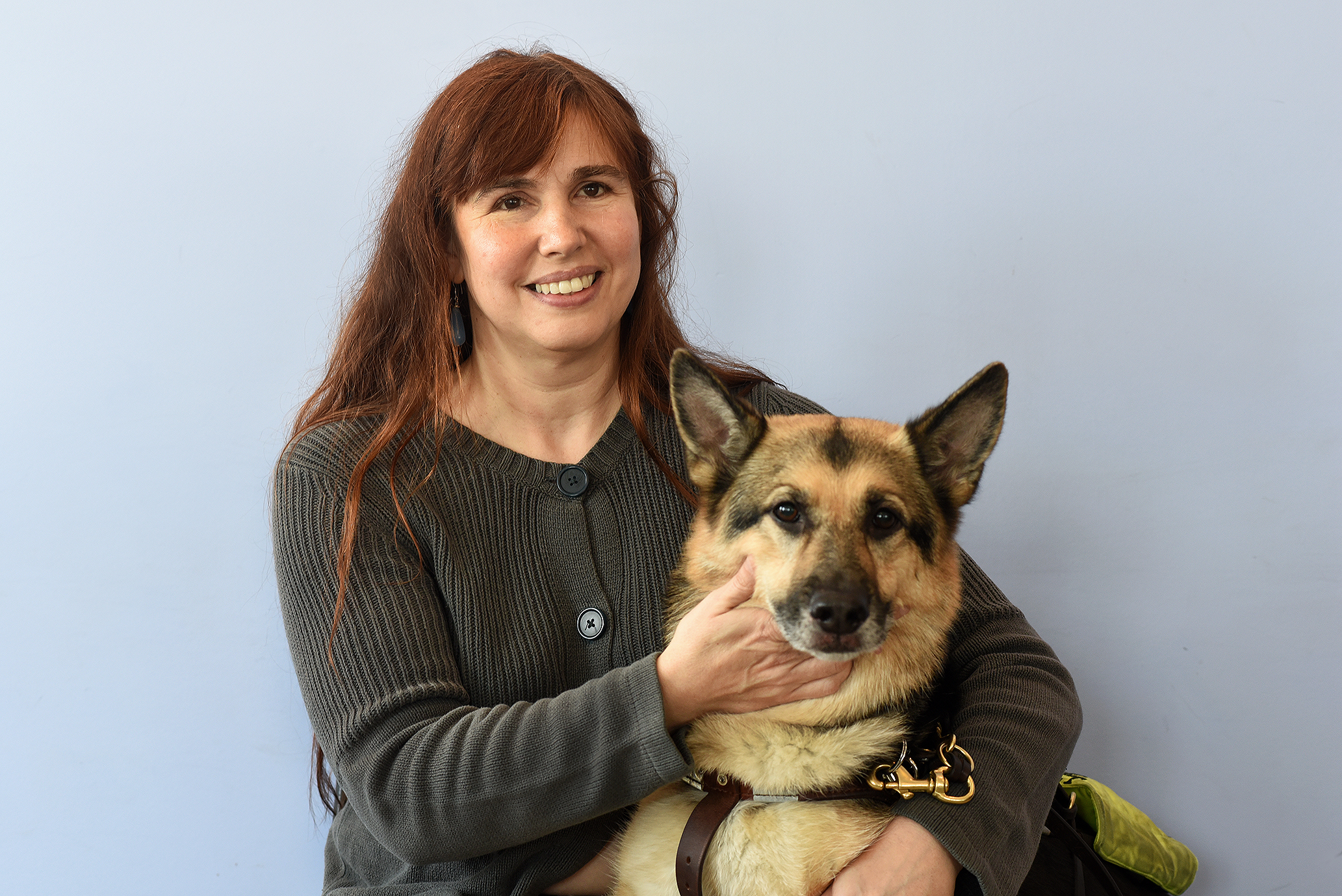
 This Week.Sam and Charlene speak with Doctor Katie Loth about healthy eating habits, eating disorders, and when to worry. To get on our email list, weekly show updates, or to provide feedback or guest suggestions, email us at [email protected]