[00:00:00] Speaker A: KPI.
Community radio, kfai 90.3 fm, minneapolis st. Paul.
[00:00:40] Speaker B: This is KFAI 90.3 FM, Minneapolis. And kfai.org this is disability and Progress. We bring you insights into ideas about and discussions on disability topics. I'm Sam Jasmin. This week we speak with Dawn Bentley. Dawn is the executive director for the Minnesota Fringe Festival and she'll be talking to us about all things fringe.
Hey, Dawn.
[00:01:08] Speaker A: Hi, Sam.
[00:01:09] Speaker B: It's been a minute too long.
[00:01:11] Speaker A: I'm so happy to be back.
[00:01:13] Speaker B: I always love having you back.
[00:01:15] Speaker A: Every year.
[00:01:15] Speaker B: It's like, it's like, you know, you have that dream. It's like having that same dream, you know, it's a safe dream.
She knows what we do, she knows how to do this. It's all good.
So anyway, thank you so much for being on for.
There are always new listeners out there. So in just a condensed version because we'll get to all the nitty gritty, as you know. But tell the listeners that have not heard about this before what the fringe is and when it. How it got its start.
[00:01:50] Speaker A: Sure.
Well, the Minnesota Fringe Festival is a 33 year old performing arts festival.
We take place primarily in the Cedar Riverside neighborhood, although there are theaters all over town where you can see Fringe Festival shows. And if you've never been before, every single show in the festival is one hour long and then there's a 30 minute break and you can go see another show.
[00:02:15] Speaker B: Excellent.
[00:02:16] Speaker A: The Fringe Movement started in 1947 in Scotland, in Edinburgh. And there are now more than 300 fringe festivals around the world.
[00:02:25] Speaker B: Oh my God.
[00:02:26] Speaker A: We are the largest in the Midwest and one of the largest in North America. So if you are curious about any kind of the performing arts, you can see all of it here at the Minnesota Fringe Festival.
[00:02:38] Speaker B: Are we really the largest in the Midwest?
[00:02:40] Speaker A: Yes, we are. Yes. We have over 100 shows, more than 540 performances this year of everything you can think of. Drama.
[00:02:48] Speaker B: We'll get to that.
[00:02:49] Speaker A: Yeah, all of it.
[00:02:51] Speaker B: So that is super cool. I'm wondering how you got involved in the Fringe.
[00:03:00] Speaker A: I started working there nine years ago and prior to that I had a pretty career doing something completely different.
But I made a conscientious choice when I was in my 40s that I wanted to go back to school to get a master's degree in nonprofit because I really wanted to work in the arts, because I wanted to support art and artists and the idea, the notion that art is for everyone.
And so I was lucky enough to find an opening at the Minnesota Fringe Festival. And I wanted to be there because it really is an egalitarian and democratization form of the arts.
[00:03:41] Speaker B: That's cool.
I'm wondering, you know, I always wonder, your theaters, are these theaters that are scattered everywhere kind of, sort of. I mean, within their. You try to keep them in close proximity, I think.
But how do you decide? Do you have the same group of theaters every year that just says, we're going to donate this time to the Fringe and that's what we do, or is there always a new theater coming in each year?
[00:04:07] Speaker A: Well, we do try to group the theaters here in the SE Riverside neighborhood. There are about eight different theaters that are within a relative walking distance, meaning you can get to each of those theaters by foot in less than the 30 minute turnaround time. And so we do come back every year to this area because people like to binge when they Fringe. They like to come into the area, whether it's through metro transit or they're driving or they ride with a friend. But then once they get here, they can just go from show to show.
That being said, no one donates the theaters. We actually rent all of those theaters, which helps put money back into our local economy.
And then there are other theaters that have independent producers. So most of the Fringe Festival is selected by random lottery, which means anyone can be in the Fringe. All you need to do is apply and have a show in your mind, and you are selected by a random lottery. However, if you aren't selected because over 590 people applied for 88 spots in the Fringe, you can still register your show as an independent producer. You just need to find your own theater. So that's why there are several other theaters outside of the what we call the hub, the main hub, that are also participating.
Several theaters have multiple shows within them, so they feel like a little bit of a hub all to themselves.
[00:05:35] Speaker B: All right, so let's back up here because I feel like we got just a whole bunch of info. Yeah. So eight theaters generally are club clustered around. And then there's how many outside of that loop?
[00:05:47] Speaker A: There's another five or six theaters outside of that loop.
[00:05:51] Speaker B: And then you said there's 88 spots. Is that what you said?
[00:05:55] Speaker A: 88 spots in the theaters that we manage and then another 15, 16 spots in these other theaters around town, scattered around town.
[00:06:06] Speaker B: And how does that connect with those 88 so.
[00:06:11] Speaker A: Right, I understand. So every single show in the festival is treated the same in the sense that we spend the entire summer working with the producers to provide workshops. So that they can make the best show that they. They can possibly make. We take care of all the producerial parts of it. We ticket all of the shows on our website.
We give every single show in the festival its own webpage, so you can read all about what the show is about, what the cast, who the cast is, and find out all the information you need. And so they're all treated the same, really. The only difference is that we are not renting the theaters and providing the technical staff to help them.
[00:06:55] Speaker B: So when you have somebody who the producer who's going to have a play, how is there a limit to how many can be on there? Do they get to reserve the stage in advance for some practice? How does that work?
[00:07:13] Speaker A: So a fringe producer has to be adept at a couple of really tricky things that are unusual for the theater. And the first one, and most important is they have to be able to load their show on and off that stage in 10 minutes, because 30 minutes after their show ends, a new show will begin.
So usually fringe shows have elaborate sets, but they may have large casts. But when they're practicing their show, they have to do that in a space that they find. So I'll just tell you, I have a fringe show this year, and we're practicing in my living room and on my deck until we get to the very end. And then we'll have one practice in one rehearsal in the theater itself.
[00:07:58] Speaker B: In one of the theaters, right?
[00:07:59] Speaker A: Yeah. I am going to be at one of the independent producing theaters.
[00:08:04] Speaker B: Oh, well, we'll touch base back because I want to know which one is yours. Okay, so talk about a little bit more about how the performers or producers, I guess, the people who are running the show, it's a lottery.
How does that work?
[00:08:21] Speaker A: So in the winter time, we do a call for artists. And because our festival has been around for 33 years, people in the fringe circuit, whether they're touring or they're local, they know approximately when that will happen. It's December 1st of every year, and you just put in an application, there's a tiny little fee, and all you need is an email, and we send you a number, and we say, this is your lottery number.
We don't ask them what their experience producing is or what their show is about. It is completely open access and up to the producer. And we don't jury or censor any of that.
And then in late February, we have a public lottery so that people can see that we're being fair.
And we hold that lottery both in person and then we Broadcast it live on Facebook Live. And people can just cross their fingers and hope they get selected. There are several different lotteries that we hold to sort of tip the scales about what will be. Who will be featured on our stages.
So we have a specialty lottery for rural and out of town folk, for black, indigenous, and people of color for brand new producers. And so we reserve a certain number of spots in the festival to make sure that we are giving people who have been historically marginalized the opportunity to put their show on stage. If they aren't selected in a specialty lottery, then they go into the general lottery. And we also have relationships with other fringe festivals in the Midwest. And so we curate a couple of tours by holding a lottery. And when you are selected in those specialty lotteries for touring, you can automatically book one, two, or three different fringe festivals to tour in over the course of the summer.
[00:10:16] Speaker B: So how common is it?
Let's say you don't make the lottery. How common is it for someone to fall, you know, for a spot to open up?
[00:10:25] Speaker A: Oh, it happens all the time, Sam. Like it has happened sometimes right up until the day before or even during the festival.
[00:10:33] Speaker B: Oh, my God.
[00:10:34] Speaker A: Something will happen, a family emergency.
And an artist will call us and say, I just can't do it.
Or maybe they're selected in the lottery. And then they find out they have to move for a job or something like that.
And so everybody who entered the lottery gets put on a wait list. And we just go to the next person on the wait list and we say, hey, a spot has opened up. Do you want to do it? And there are professional artists out there that have really blown my mind by showing up the day before the festival, just having gotten into the lottery. And. And then they do a tremendous show. So clearly they.
[00:11:11] Speaker B: Because they've been practicing just in case they have been.
[00:11:14] Speaker A: Or maybe they're going to other fringes, or maybe they've done this show in the past. But I've been blown away by the talent that I've seen on fringe stages.
[00:11:22] Speaker B: So let's talk about the different types of performances that people could see.
[00:11:28] Speaker A: Yeah, so we have everything. Performing arts. So comedy, drama, puppetry, magic, dance. There's a lot of dance in the Twin Cities. So we see a lot of dance dance at our fringe festival. And I think that our festival has. I think every fringe festival has sort of a theme or a personality. And I would say our personality is sort of nerdy.
There's a lot of sci fi. I know this year there's a lot of game shows. So there's a little bit of, you know, we have a great improv community, so there's a lot of improv. And so the personality of your Fringe Festival is sort of indicative and reflective of the community of theater that just happens to be in your area. And I think ours is pretty special.
[00:12:17] Speaker B: So are there rules for what can and cannot be shown in the theater?
[00:12:23] Speaker A: No, absolutely not. There are no rules.
Okay. There's one rule. You can't break the law. That's one rule. So you can't do anything that breaks the law. But we don't censor what is happening on our stages. We ask artists to give us warning, content warning. So if the topics are quite serious or if it's something that's just really not for people under 18, there's a place on every single show page that will tell you what the content warnings are. Even if there's a content warning for like flashing lights. Because some people with like, traumatic brain injuries can't be around flashing lights. So we're very careful about that.
[00:13:05] Speaker B: Yes. Well, so now let's talk about how many shows do the artists typically do? So I'm an artist and I get. I got selected. How many shows will I be expected to do for this festival? And it runs, was it. Is it 10 days?
[00:13:21] Speaker A: It's 11 days. It runs August 6th through the 16th. Every show in the festival will get a minimum of five performances. Some of the independent producers may have more, but it averages around five performances. So you have five opportunities to see any particular show in the festival.
[00:13:41] Speaker B: And since it's a lottery, you could be selected three years in a row. It's just you could. If you're selected.
[00:13:47] Speaker A: Yes. And there was a show a few years ago called Wells was third on the wait list because this gentleman Wells kept getting on the wait list and getting bumped up, but never got into the festival. And so when he got into the festival, he made a show about being on the wait list to get into the festival, which I thought was very meta and very clever.
[00:14:11] Speaker B: Interesting. Right, so let's talk about the opportunities that the festival provides for first time performance goers. Like for the. For the artists.
[00:14:27] Speaker A: Yeah, yeah. So I always think of the Fringe Festival as a gateway to the performing arts because you can see so many different things. And if you're just not sure if you like improv, you'll be able to find improv, or if you've never been to a dance performance, you can find that and try it out.
And we have so many folks who, who this is their theater for the year. This is all they do is come to the Fringe Festival because they get such a wide variety. So I like to think of this. If you're curious about the performing arts or you want to try theater and it's inexpensive, show up to the Fringe Festival, check out the website and, you know, maybe find one or two performances that you are interested in because of the topic, but stick around and go to more because it's really a fun community experience.
But we had, we started last year a How to Fringe newsletter because we know that there are newcomers and it can be really overwhelming. When you're looking at a hundred different shows and 500 performances, you don't know where to start. So we have a newsletter that you can sign up for on our website called how to Fringe. And we break it down into its simplest components over like five different emails. And then you're not obligated to anything else. You're not obligated to be on our email list or anything like that. We just break it down in its simplest components. How to Fringe, how to get here, how to buy tickets, discount opportunities and all of that.
[00:15:57] Speaker B: So what about the performers themselves? If you're a first time Fringe producer or performer, what do you feel like this experience gives you?
[00:16:09] Speaker A: Well, the opportunity to share whatever story is in your head on stage really can connect you to different communities and it can be a cathartic and exciting and scary experience.
We do something at Minnesota Fringe called Unified Auditions. So if you're a first time producer and you don't even know how to find actors, we hold auditions where people can just audition to be in any of the Fringe shows.
[00:16:38] Speaker B: Oh, that's cool.
[00:16:39] Speaker A: Yeah, so you'll have like a hundred actors who will be giving you a two or three minute tape of their talent telling you, oh, I also speak Spanish or I also play the violin.
And you can choose performers in that way or you can choose performers that you've seen on Fringe stages and reach out to them before.
And then of course, like I said, we do workshops to sort of guide people through the producer process. We help them learn how to budget it a show, we help them learn how to market their show, and we help them learn how to interact with technicians, like sound and light technicians, in case you've never done it before, because that's a special language. And rather than having to learn a whole new language to speak to them, we say, okay, tell your technician I'm this scene, we're outside in a forest and they'll know to Put a green wash on the stage.
[00:17:32] Speaker B: So are you.
When you get accepted into the Fringe, how do you decide? How do you figure out what theater they're going to be in? They move around, right?
[00:17:42] Speaker A: That's true. So what we do is we ask a grueling series of questions of our artists about what their technical needs are.
Are they going to use projection? Is there a large cast?
Do they need to have instrumentation? And from that information, we know the theater so well that we can assess their needs and pair them with the theater that will give them the best opportunity. Some people want to stage their shows in the round, and so they want to be at theater in the round. And some people want a small, intimate stage or they have a large cast of 50 dancers. And so they need a great big stage. So we just take that all into account and then we assign them a venue.
And if you want to do a very particular show with a very elaborate set, that's when you might decide to be an independent producer and go find your own space.
[00:18:42] Speaker B: I'm just kind of wondering. So you obviously will be kind of selecting the theater then, for the performers.
What do you think makes Minnesota Fringe Festival different from other theater and arts festivals?
[00:19:06] Speaker A: I think the biggest differentiating factor is that you can see such a wide variety of performance genres and types and also of experience experience on the stage.
Last year we had a show that was written, directed, choreographed and starred a 15 year old kid.
And so he was a novice, had never done that before, but he did a marvelous job. Or you might see people that you've seen on the Guthrie stage or Park Square or at the Jungle stage on our stages. So it's everything in between.
And you'll see professional fringe circuit touring artists who just travel around North America and beyond, sharing their stories and their shows with our local audiences.
So I think that's the biggest differentiating factor between Minnesota Fringe and any other performing arts experience you'll see. And one of the things that I like to stress is that the audience is just as important as the artist. That it really takes all of us to be co creators of this adventure because the sets are pared down, because there maybe isn't some elaborate bells and whistles to make you forget about the story. You just have to connect with the story on the stage and the audience is critical to that.
And one of my favorite things is that I could be watching something amazing on a stage and then when that play is over, I hop in line to go to another show. And that artist that was just on the Stage is right next to me in line.
[00:20:45] Speaker B: So what role, are there other roles that you feel like the community plays in the success of the festival?
[00:20:53] Speaker A: Yeah, we really try to embrace the Cedar Riverside community in which we're centered. And so you have the opportunity to buy a, a, a small button that just says 2026 Minnesota Fringe Festival on it with a little picture for $10. And that goes to support our organization. But we've paired ourselves up with restaurants and bars in the neighborhood that if you bring that button in on particular days, you'll get a discount. A dollar off your coffee, 10% off your orders, something like that. Because we really want to dry people to shop local, to buy local, to support the folks that are here in this neighborhood. And as a result, we did a study with the Minnesota Citizens for the Arts, and our organization in just an 11 day festival have a $1.9 million economic impact on this area. And so we want to be seen as that we're welcomed into this neighborhood every year versus being someone who comes in and usurps the neighborhood from the neighborhood folk. We want to be a part of it.
[00:22:01] Speaker B: And do the performers make money off the ticket sales exclusively?
[00:22:07] Speaker A: Yes, actually, the performers reap 70% of those tickets. So when you buy a ticket to a fringe show, you're actually supporting the performers on the stage.
So that's different than supporting the festival itself. They get 70% of that back into their pocket.
And it averaged last year about $2,000 per show. But I've written checks, Sam, as large as $15,000 for five performances.
[00:22:33] Speaker B: Wow.
[00:22:34] Speaker A: Yeah.
[00:22:36] Speaker B: I'm wondering how you feel like this has evolved through the years.
[00:22:42] Speaker A: Yeah, I think in the nine years that I've been here, this Minnesota fringe has really embraced the idea that the arts are for everyone.
And so we've done a lot of things to try to get new people on our stages, new people in the audience, and demystify the performing arts as being elite or only for certain folks, or if you have money or something like that.
We care very deeply about our community. And one of the things that I think is really special about a fringe festival is that probably 80 to 90% of the shows are written within the year that they are performed. So it's often very reflective of what's going on in our community right now. And this is a great way to have a deeper understanding and deeper conversations with the community about what's happening in our community.
[00:23:40] Speaker B: And, you know, I, I know I say this every year that you come on, but I feel like these Hour long performances are not only nice for the performers because they're only an hour long, but they are a great way to introduce not just yourself if you're trying out a new genre, but kids.
Kids can't sit.
Some. Some do more than better, more than others, but most, most kids, it seems nowadays just can't handle sitting much more than an hour. And so that hour long is just like a perfect thing that a kid can survive.
[00:24:17] Speaker A: And I think that rule probably applies to a lot of adults too,
[00:24:24] Speaker B: nowadays, it seems so. Right, yeah.
So how does the festival go about attracting audience with a wide variety of interests?
[00:24:37] Speaker A: Yeah, we rely pretty heavily on advertising in certain areas, but also in the performers and producers themselves to attract their communities. Of course, we have a core group of fringers that come back year after year. Audience surveys show me that most of the people who answer the survey anyway have been going to the Fringe Festival for more than 10 years and they see an average of three shows.
So there are folks who see 55 shows, which is the maximum number you can see. And there are some people who are just dipping in to see their friend on stage for one show.
[00:25:18] Speaker B: Yeah.
I wonder how the festival works to make performances accessible.
[00:25:28] Speaker A: Well, this is a passion of mine, and that's probably why you and I get along so well, because, you know, I. This means a lot to me. Yes, personally. But we have audio description for people with visual impairment. We have open captioning, which I feel like is universal design, really.
And then we have American Sign Language that is offered for select shows. So I'm in the process right now of trying to work with a couple of patrons to select shows that would be good for each of those opportunities. There are some, you know, general things you need to know. The audio description would want to be a show where describing what is being seen would enhance the performance.
[00:26:16] Speaker B: Right.
[00:26:17] Speaker A: And for open captioning action, I need a written script because I actually have to put it into a computer and it gets projected.
[00:26:23] Speaker B: Ah, yes.
[00:26:24] Speaker A: And then every venue that we work in is accessible for people with mobility issues.
And we are painstaking about making sure that we communicate very clearly that how. Where the entrance is, where the restrooms are, so that people with mobility issues can get around.
Furthermore, we train all of our front of house personnel, those people at the box office, people wandering around in the lobbies, on accessibility etiquette every year so that they are providing a welcoming space.
And then starting last year, people who attend ASL and AD performances and their guests, if they had a friend come with them or Drive them or something, can attend at no charge. We're not charging for that anymore.
[00:27:16] Speaker B: Wow.
[00:27:17] Speaker A: Yeah, that is absolutely free. Because we are going to pay for these services because they're important and I don't want anyone to be turned away because of a financial reason. And we know it's hard out there right now. And I think everybody should be participating in the performing arts because it really brings community together.
[00:27:36] Speaker B: So. So do you have a number of. How many performances will be audio described?
[00:27:43] Speaker A: I haven't picked them yet, but it's going to be around six performances for each of those audio description, ASL interpretation and open captioning. And that will equal about 20% of our shows will have some sort of accessibility, accommodation.
[00:28:06] Speaker B: Is this more or less than before?
[00:28:10] Speaker A: About two or three years ago, we've decided to bump up our numbers from 15 to 20%.
So it's, it's a little bit more than has been in the past.
But our show numbers, the total show numbers have gone down since like 2019. So pre pandemic, we used to have like 150 shows in the festival, but we just haven't recovered our audiences yet to justify that.
[00:28:35] Speaker B: Gotcha. Yeah, I was like, oh, only 20%. But then I'm coming in as someone who would definitely use that audio description. So you talked a lot about making sure, absolutely sure, that the theaters are all accessible for the patrons. What about the stages?
[00:28:54] Speaker A: Yeah, we actually have all but one of our theaters are accessible and we ask artists, when we are asking the myriad of questions to decide where they go, if they have any actors that have mobility disabilities, because we do not want to put an actor in there. But I will tell you a story prior to asking that very specific question.
We accidentally put someone in the theater who could not get onto the stage. And so we actually went out and bought a chairlift and made that happen. And that's how dedicated we are to making sure that everyone can participate.
[00:29:36] Speaker B: That is cool. And that must have taken a chunk out of your bottom line.
[00:29:40] Speaker A: It took a chunk out of the bottom line and we had to do a rush job and I actually had to help assemble it. It was quite a learning experience.
Thankfully, a little bit more descriptive than an IKEA assembly of a desk or something.
[00:29:56] Speaker B: But it also speaks, I feel like volumes about how really truly good Minnesota is in regards to accessibility and caring about their performers and the fringe and. And before people like this is, I realize this is a global show and people listen from all over.
So I want to make sure everyone knows there's Fringes all over the place.
So not just Minnesota. So. Right. You know, the fringe happens in August. August what to what?
[00:30:32] Speaker A: August 6th to 16th in Minnesota.
[00:30:35] Speaker B: And then how does every state have a fringe? How many have one?
[00:30:40] Speaker A: Oh, boy. Not every state has a fringe. And a little fun fact.
I didn't name the Minnesota fringe, but we're the only fringe festival in the United States that's named after the state and not a city.
[00:30:53] Speaker B: Oh.
[00:30:54] Speaker A: But there are several here in the Midwest. Kansas City, Indy.
Green Bay is the newest fringe in the Midwest. Cool. There's one in Denver, but they're all over the United States and they happen in sequence. So if you're a touring artist, you can start in Orlando in May and sort of work your way up the east coast and then across, across
[00:31:21] Speaker B: the
[00:31:21] Speaker A: United States and Canada. And then like I think Vancouver in British Columbia in Canada is one of the last fringes that happen in the North America. And that that's in like late September.
[00:31:33] Speaker B: So how can.
Let's talk about how people with disabilities or anybody can purchase tickets and whatnot to the Fringe Festival.
[00:31:43] Speaker A: Right.
So hopefully everyone who's listening is pretty adept at using the web because we do almost everything on our website, MinnesotaFringe.org O R G you can, starting July 1, you can see all of the shows and you can click into any show page and there will be a notation near the ticket that says if it's AD for audio description, ASL for American Sign Language interpretation, or OC for open captioning. We also have MinnesotaFringe.org access which just list lists all of the access shows that will be ready by mid July.
And you can just go and select shows. You can buy tickets on any show page. And we also have something special called a BFF because we want people to bring a friend of fringe.
So any show that's designated with a little tag that says BFF means you can get a two for one ticket to that performance.
[00:32:47] Speaker B: All right, Charlene, okay, pick one out. All right.
He'll be sitting by me watching the circus performance with the kids.
Are there any initiatives that are specifically aimed at increasing, you know, disability people to the stage?
[00:33:10] Speaker A: I think not directly initiatives from our organization, but because we have been thoughtful in making accommodations. And since that story I told you where we made an oopsie and we corrected it right, the word has definitely gotten out in the community that this is a safe place where people actually care about you.
And we have seen the number of people on our stages with self identified disabilities rise to nearly 8 and I think it's going to continue to go up. And as a result, we see more people in the audience who are people with disabilities, self described, of course.
And I think that's because when you come as an audience member, if you see somebody who reminds you of you, or you can. You have a common experience or you can just identify with that person, you're more likely to come back. And if you don't see that, then you're not likely to come back. So we're really excited about the new people that are getting involved with our organization through some of our initiatives, like the new producer lottery, where we're just going to get more people who will see the fringe as an avenue for them, whether they're an artist or an audience member.
[00:34:31] Speaker B: All right, I'm gonna put you on the spot.
[00:34:33] Speaker A: Okay.
[00:34:35] Speaker B: I'm wondering, throughout your years, you've been nine, right?
There must be. I know, I'm sorry to do this to you, but there must be one or two, like, performances that you're like. I still remember that. Performances. It just made an impact on you. Or it was one of those performances that you thought, oh, my gosh, I never thought. I see performers doing this.
Can you talk about any that kind of stood out?
[00:35:03] Speaker A: Yeah. I mean, there's something every year that just gets me to the core. I think last year, and I don't know why, there are sometimes themes in the festival, but last year there was a lot of themes about grief, death, or dying.
And I had to get up after a performance and immediately leave the building because I was in absolute tears because I was so touched by what people were sharing and I so identified and I, as the executive director, have access to everybody's email. So I just rushed out of there and then when I composed myself, wrote an email to the people and said, I hope that it didn't bother you that I left so abruptly, but I was so touched that I just felt like I needed to go and have some alone time.
But then there's also just so some wacky stuff like there. A few years ago, there was a performance of Hamlet. Right. A Shakespearean play. Lots of people know it, but Hamlet was a chicken.
[00:36:08] Speaker B: Oh, my gosh.
[00:36:09] Speaker A: Hamlet was played by a chicken.
[00:36:11] Speaker B: Wow.
[00:36:12] Speaker A: And it was absolutely marvelous. Marvelous. It was wonderful.
[00:36:16] Speaker B: I'm curious, was it a real chicken?
[00:36:17] Speaker A: It was a real chicken.
[00:36:18] Speaker B: Cool.
[00:36:19] Speaker A: It was actually several chickens. For contractual reasons.
[00:36:22] Speaker B: Yes.
[00:36:22] Speaker A: I'm sure they had a different chicken.
[00:36:24] Speaker B: Cannot have this chicken work more than this many hours.
That's funny.
[00:36:31] Speaker A: So that's the range I guess you will see something completely absurd and then also something just heartfelt and touching and really speaks to your soul.
[00:36:41] Speaker B: That's cool. Well, that's nice to have that, that variety, right?
[00:36:47] Speaker A: Yeah.
[00:36:48] Speaker B: So a first time Fringe goer, what would be the advice you would give them?
[00:36:54] Speaker A: I would head over to the website and we have several filters that you can filter things out. So if you know, I already know I like comedy, just go ahead and filter, filter down the comedies and then maybe throw in another filter. Like I want to support a new producer or a Minnesota producer or a touring artist. You can maybe put two or three filters on there and select a show, read through the show description. Is this what I really want?
And then once you've picked that show, look around what's happening on that same day. Can you get a BS EFF2 for one ticket and bring a friend to Fringe? And are you a student? Because if you go to the first performance, we hold six tickets at every venue for students with a valid student ID to go for free. Oh, wow, cool. Am I a student? Can I go for free? Can I get a BFF and bring a friend for two for one? And then what else is happening in that area around that? The performance before, performance after, and just make kind of a half day of it, of an evening of it.
[00:38:02] Speaker B: So I don't know if I dreamed this or not, but do I remember right, that there was an online Fringe after?
[00:38:13] Speaker A: There was. So when we were in the middle of the pandemic, we did the entire Fringe online for two years, which is wild because. Because we're theater people and we had to pivot to sort of making television.
And we kept that going for a couple of years after because some people weren't ready to go back to the theater. So what we would do is record the shows and then show them in something we called the Fringe Hangover. So if you didn't go to the Fringe Festival for whatever reason, you were out of town on vacation, weren't comfortable, you could watch some of those recordings online a couple of weeks later.
But we've let that program go right now because we found that fewer and fewer people were really interested in taking advantage of that.
But it is something that we talk about, well, maybe we'll bring that back someday. It gets bantered about a little bit, right? Yeah.
[00:39:10] Speaker B: Well, I'm curious to know just some thoughts that maybe there'd be some way to bring it back and, and have, you know, somebody pay into whatever, so you still get some kind of monetary benefit. But that you could extend it even out of state to get other people, like, interested in maybe their fringe in their state. You know what I mean? So there's probably a lot of people that have never heard of. Of the fringe, don't know what a fringe is.
[00:39:41] Speaker A: Sure.
[00:39:42] Speaker B: And that would be fun to have them start supporting that just as an art thing.
[00:39:48] Speaker A: Yeah. I recently attended the World Fringe Congress where all the fringe leaders got together and found that there's a handful of fringes here in the United States that are doing audio plays as part of their festival.
So it's sort of like a radio play.
[00:40:04] Speaker B: Yes.
[00:40:04] Speaker A: Yeah.
[00:40:05] Speaker B: That's cool.
[00:40:06] Speaker A: So maybe that's something we could open up to as well.
[00:40:08] Speaker B: That would be cool. That's right.
[00:40:09] Speaker A: Yeah.
[00:40:10] Speaker B: Yeah.
What opportunities are there available for volunteers? Any.
[00:40:17] Speaker A: So many. So many volunteers. It takes more than 100 volunteers to make this festival go. So if you're interested in volunteering, you can go to minnesotafringe.org volunteer.
And there are several different shifts that you could sign up for, but essentially you will be an usher at the theater, and as a result, you can earn free tickets. So this is another way to see fringe for free.
And a pretty cute little T shirt, too.
[00:40:47] Speaker B: Oh, cool.
[00:40:47] Speaker A: Yeah.
[00:40:49] Speaker B: So how else do you feel? I mean, how does the festival use technology and social media?
[00:40:58] Speaker A: Oh, we have a tremendous social media maven who is doing something completely different than what we did for the first 30 years of our organization. We used to only promote the festival itself as a whole, but this young person is so good at social media that she is able to promote every single show in the festival. So she asks a series of marketing questions. Again, we ask a lot of our artists, but they provide the answers. And she will group shows based on topic or based on LGBTQ performers or based on.
Are they all from some other state or are they all from Minnesota, or are they doing a show about Minnesota? And she'll group them together and show. She will advertise for every individual show throughout the summer. So if you follow any of our social media right now, you can get sneak peeks of what's going to be at the festival.
[00:42:02] Speaker B: So doing this as long as you have dawn, you know, there are always challenges. Even as smooth as things can go, there's always something. Right? Something. So what challenges do you feel like a large arts festival like this face behind the scenes?
[00:42:22] Speaker A: Yeah. Well, I think some of the biggest challenges are things that are completely out of our control, like terrible weather.
[00:42:30] Speaker B: That is true.
[00:42:31] Speaker A: And if that happens, then people don't want to come out if there's a, you know, I don't know, I better knock on wood. There's not a tornado or something like that, but it, it is that time of year so we have to be very aware of what's going on. And actually our daily newsletter that goes out during the festival has weather and road construction and all of those notices in there. So we try to give people a heads up on what to expect when they're coming out.
But otherwise, if something were to happen, I have a dear friend who runs another festival that happens in the winter and that was when Operation Metro Surge was at its peak.
And so, you know, if something like that were to happen, we've actually trained our front of house staff and how to, how to handle things of that nature, who to let inside the theater and how to notify audiences if there's any sense of danger. I really honestly feel like that's not going to happen. But we are prepared. The more we prepare, it's good to have a plan B that we have lots of plan B's and C's and the more we prepare then maybe that just diminishes the chance that we'll ever have to put those actions into place.
[00:43:54] Speaker B: Do you have any partnerships with any local art arts organizations or schools or anything like that?
[00:44:02] Speaker A: We don't have any formal partnerships. We're open to it, absolutely. But there are some arts organizations that use the Fringe Festival as a way to get in another performance or a more experimental performance.
I know that this is the second year that there's going to be a trapeze and tap schools that are joining together to put in a show. So yeah, it's tapease.
[00:44:33] Speaker B: Oh, cool.
[00:44:34] Speaker A: Yeah, so I think, you know, they have a partnership and they're using the Fringe Festival as a way to sort of launch this idea of blending their two art forms. And I think that's pretty exciting.
[00:44:45] Speaker B: That is cool. Is it a kids show?
[00:44:48] Speaker A: I think it has got. Has many children in it, I think people of all ages actually.
And so yeah, there's some beginning tap young people. And if you are on the website, we do have age indicators. So there are definitely shows that are geared towards children or that are fun for all ages.
[00:45:09] Speaker B: Gotcha.
So what would you like to see for the Fringe in the future?
[00:45:17] Speaker A: My dream is that we can expand this programming beyond the festival because I love the festival, but it happens every year at the same time. And if you have a cabin or a friend with a cabin, you might
[00:45:32] Speaker B: be on vacation, they kind of check out. Don't they.
[00:45:35] Speaker A: And if you are a student here but live elsewhere, you might miss it because you're not in school. And so I'd like to see these programs be expanded into either little mini festivals happening, maybe a long weekend festival happening in a different time of year, or other types of programs that could help artists that do well in the Fringe continue to develop their art. Because we just pop up and we have a frenzy of performing arts.
And I think that we are leaving a gaping hole in the kind of art that you can see at Fringe, which I think is really important because it's experimental and it's temporal, and it's reflective of the current times.
I'd like to see that happen year round.
[00:46:25] Speaker B: I'm wondering if you notice in the Times a substantial amount of political plays that are being done.
[00:46:35] Speaker A: You know, as I mentioned, last year, a lot of the plays were on grief, and I think that was. Well, I, first of all think all art is political, but I feel like that was a sort of a political feeling that artists were having. And this year I am seeing if I was gonna put a word to it.
It's like uprising or like strength. So it may not be directly political about political times, but it is about, look at how strong we can be if we work together. There's a lot of that going on this year, and it's just reflective of what we've been through in Minnesota.
[00:47:20] Speaker B: Charlene, do you have any questions?
I am just.
I want to go.
[00:47:26] Speaker A: Yay.
[00:47:27] Speaker B: Yeah.
She'll be shocked when I'm calling her and saying, let's go now. It's time.
[00:47:32] Speaker A: Fantastic.
[00:47:33] Speaker B: I remember. So can you tell us about your Fringe? Your play?
[00:47:39] Speaker A: Yeah. So, first of all, I have never written a play before, and so this is a real mental stretch for me. But I'm working with experienced people, and my play is very political, very directly political, but it just sort of was born out of frustration of running an arts organization that I care deeply for in a time where arts funding is being cut left and right, and.
And there's so much political chaos that individual don't donors are rightfully spending their limited dollars on mutual aid because our community was so drastically invaded. And I don't fault anyone for supporting PBS after all of their funding was cut, and, you know, NPR or other places like that, but small organizations like ours and arts organizations like ours that do things that are really democratize the arts in a way that makes it more for the common man and not for the elite, we are all suffering right now. And more and more theaters are closing and it's getting harder and harder for artists to find and fund performance space. And so I wrote a very political clown show about a clown clown regime who's doing clownish things.
[00:49:11] Speaker B: And can you tell us the name of it?
[00:49:13] Speaker A: The name is the Quiet Piggy.
[00:49:16] Speaker B: The Quiet Piggy. Okay. All right.
[00:49:19] Speaker A: So my clown never speaks, but he wears a pig nose and he acts buffoonish and may recognize the character, but we never name. We never name him.
[00:49:32] Speaker B: And are you, is it audio described?
[00:49:35] Speaker A: I.
I haven't selected my show to be audio described because I felt like that would be.
[00:49:41] Speaker B: It would be unfair.
[00:49:44] Speaker A: But I don't know. I'll talk to our audio described. Sorry.
[00:49:48] Speaker B: Putting you on the spot, you know, if I want to see it.
[00:49:51] Speaker A: Yeah, I know. I want you to see it, too.
So it's a little bit of a storytelling, a little bit of a personal feeling. I am definitely not representing the Minnesota Fringe Festival.
I'm representing myself and my own personal frustrations which happen to come through my job.
But I care about this organization and the artists that we serve, and I want to be here for another 33 years at least.
[00:50:14] Speaker B: Right, Right.
All right, one more time. How can people get tickets? And do you have any call in number or is it all online?
[00:50:22] Speaker A: We do have a call in box office number which I'm sorry to say is not memorized right now. But 612-872-1212 is our office line and MinnesotaFringe.org all right.
[00:50:38] Speaker B: Thank you so much, Dawn. Is there anything else you'd like to leave us with?
[00:50:42] Speaker A: I just invite everyone to come out and see something at the Fringe because there really is something for everyone.
[00:50:48] Speaker B: Dawn, it's been great, great to see you. I am so glad you keep coming back each year. Thank you so much, much. And I hope you'll come back next year and I'll probably ask you similar questions, but you know, there's always people who have no idea what this is. So cool. I hope we can bring another 50, 60 people to the Fringe.
[00:51:08] Speaker A: Thank you. I appreciate you.
[00:51:10] Speaker B: You are tuned to KFEI 90.3 FM, Minneapolis and KFEI.org you're listening and have been listening to Disability and Progress. We've been speaking with Dawn Bentley. Dawn is, is the executive director of the Minnesota Fringe. This has been Disability in Progress. The views expressed on the show are not necessarily of KFAI or its board of directors.
So thank you for listening. This has been KFAI 90.3 FM, Minneapolis, kfai.org My name is Sam.
Charlene is my research PR person. Erin is my podcaster. If you want to be on my email email list, you can always email us at Disability and
[email protected] that's disability and progressamjasmon.com all written out. And if you'd like to be on the show or know somebody or a topic that we should air on this show, please let us know. We welcome all topics pertaining to disability topics.
Thanks so much for listening, everyone. Everyone take care of each other.
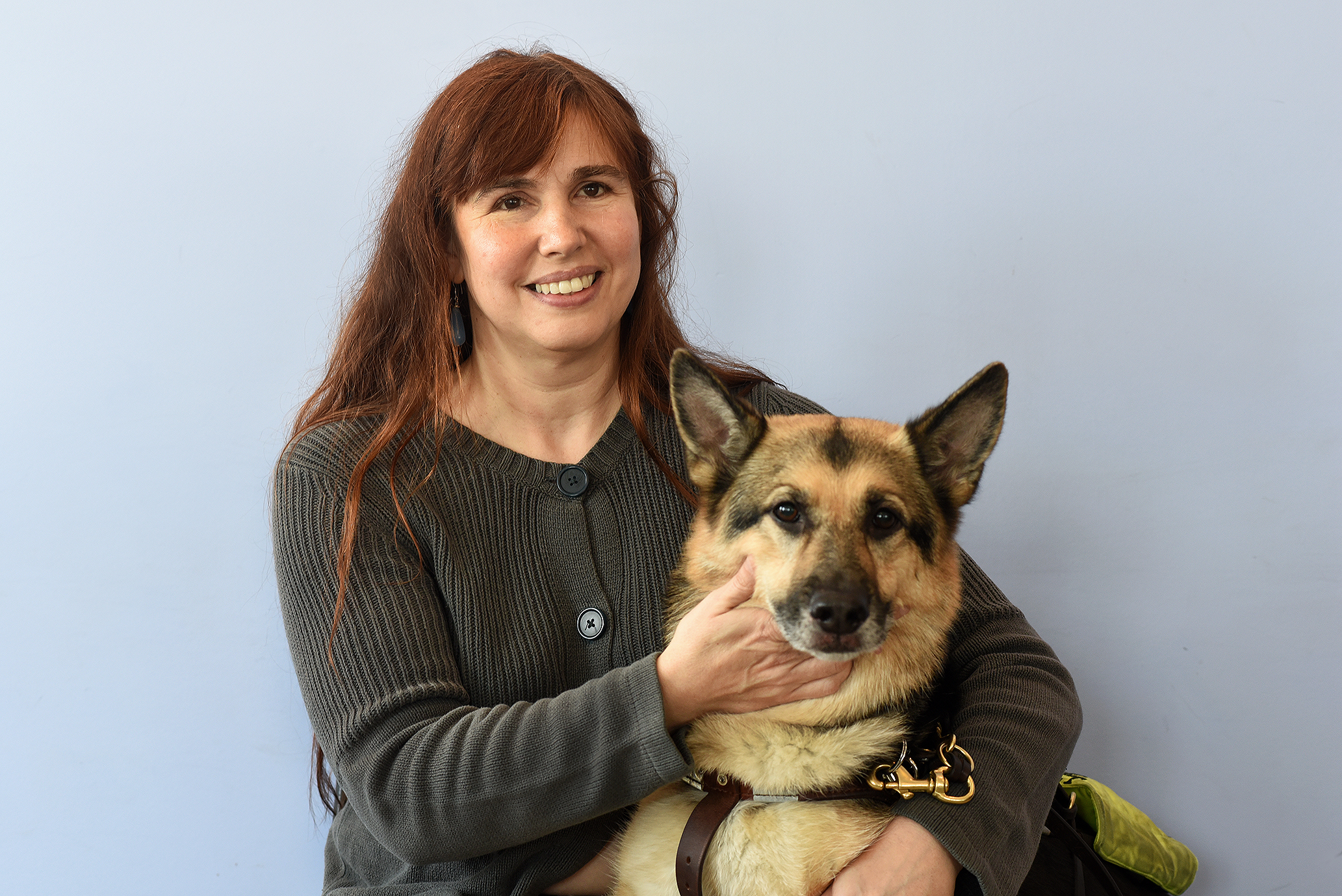
 This week Sam is joined by Dawn Bentley. Dawn is the Executive Director for the Minnesota Fringe. Sam is talking with Dawn about the 2026 Minnesota Fringe Festival! To get on our email list,receive weekly show updates, or offer feedback/guest suggestions, email [email protected]!